What the Prairieland Jury Never Got to Hear
Lawyers for an anti-ICE protester tried to argue his shot was a ricochet. The theory was squashed by gaps in the evidence and a judge’s suppression. The post What the Prairieland Jury Never Got to Hear appeared first on The Intercept .
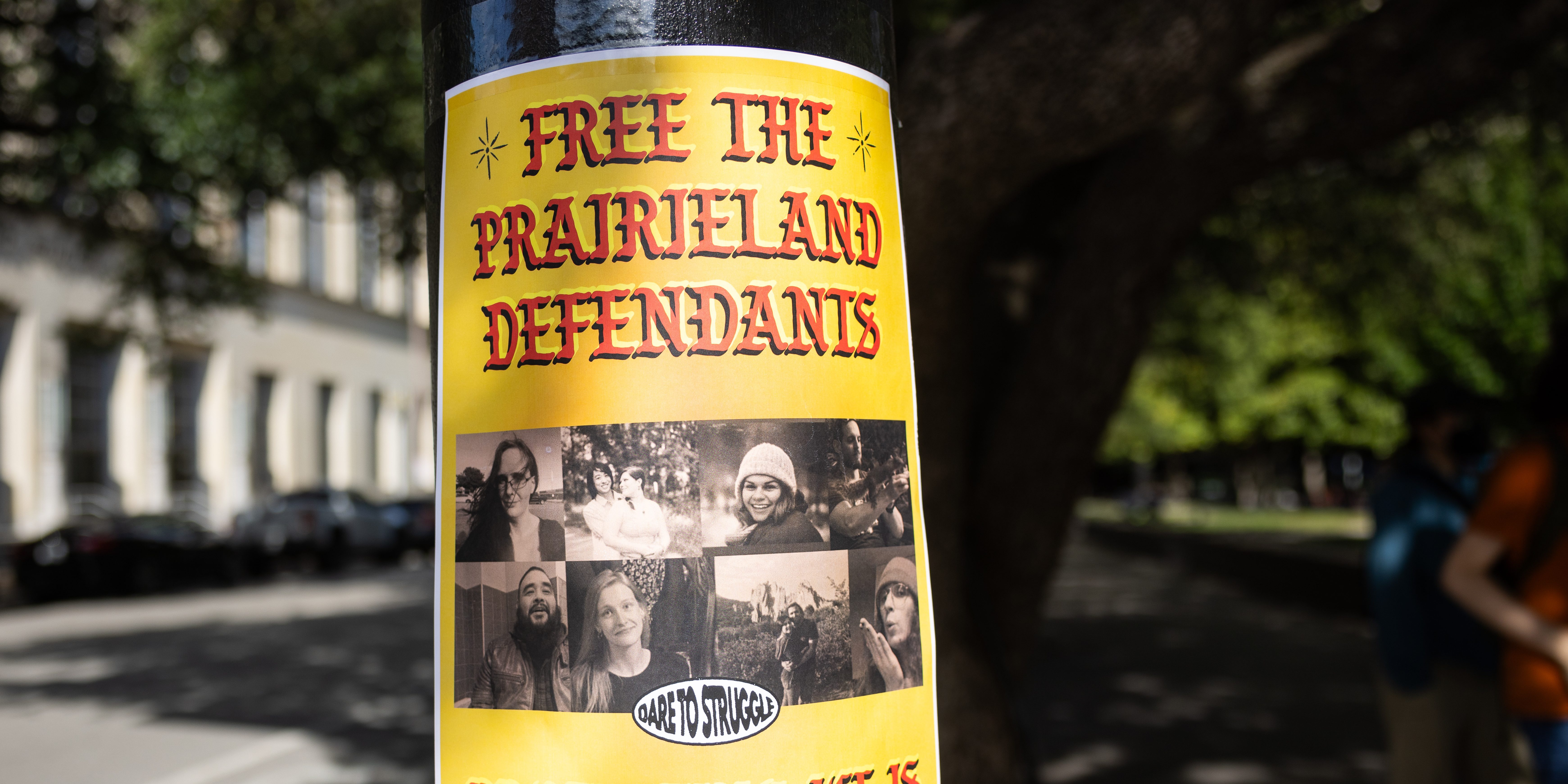
During the final day of the Prairieland trial, where nine Texas activists faced charges including providing material support to terrorists, Benjamin Song's attorney presented a controversial argument that could have overturned the federal government's case. Song was charged with attempted murder after allegedly firing a gun at the first police officer who arrived on the scene following a protest outside the Prairieland Detention Center in Alvarado on July 4, 2025.
The defense rested without calling any expert witnesses due to their belief in the government's weak case.
Phillip Hayes, representing Song, argued that the prosecution's depiction of the event was flawed because Song never aimed his weapon at the police officer. He stated that the bullet ricocheted off a hard surface before striking the officer. The prosecution's evidence, including a photograph of the bullet, witness testimony, and CCTV footage, supported Hayes' claim.
Hayes argued that the only photo of the bullet, which appeared severely bent with missing fragments, corroborated his theory. However, the jury did not acquit Song and instead convicted him, sentencing him to 100 years in prison.
The ricochet theory was not given sufficient attention due to federal government interference. The prosecution's motions and the judge's rulings, a Trump appointee, hindered the defense's ability to fully investigate the theory. An independent ballistics expert hired by Song's defense team was denied access to Song in federal prison, making it difficult to thoroughly examine the evidence. This was the first time in the expert's 25-year career that he was denied access to a client in a federal facility.
Without a full airing of the ricochet argument and supporting evidence, the jury was left without a complete understanding of the case. Despite this, two lawyers on Song's defense team believe that the ricochet theory could still play a role in his appeal and potentially lead to a new trial.
Written by urgent.news from The Intercept's reporting — not their text. Machine-written — may contain errors; check the original before relying on it.
Also reported by 1 other outlet
- What the Prairieland Jury Never Got to Hear theintercept.com