Weltvegetariertag: Verbraucher hinterfragen zunehmend Fleischkonsum
Viele Menschen in Deutschland essen weniger Fleisch, wollen aber nicht komplett darauf verzichten. Was aktuelle Zahlen über den Trend zu bewussterem Konsum und Fleischersatz verraten.
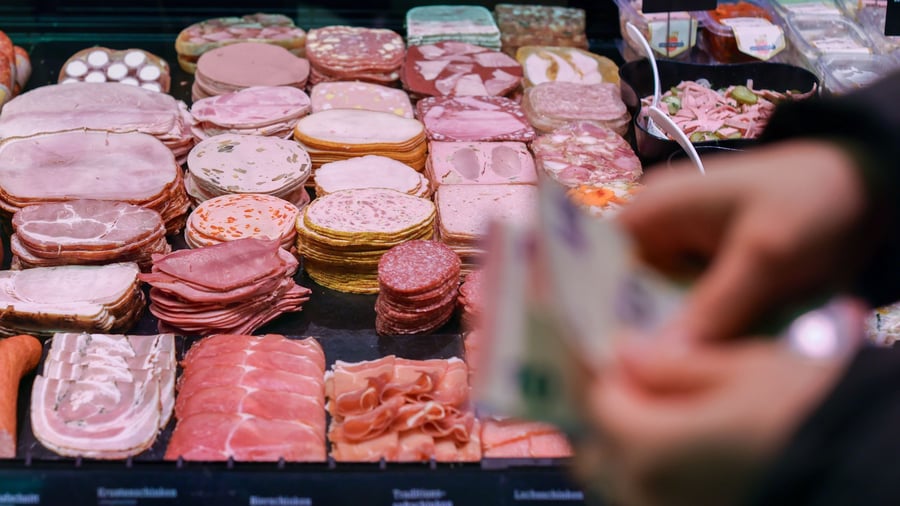
The consumption of meat in Germany is changing, according to a study - not toward complete abstention, but rather towards more conscious consumption patterns. While slightly fewer households are buying meat and sausages than a few years ago, those that remain tend to buy larger quantities. This conclusion emerges from data provided by YouGov and the SINUS Institute, published on World Vegetarian Day, October 1st.
Additionally, the importance of meat alternatives appears to be growing. According to the data, 93 percent of households purchased meat or poultry from January to July this year - two percentage points fewer than in 2022. Simultaneously, the quantity bought increased by three percent. Poultry remains particularly popular, accounting for 35 percent of meat sales, surpassing pork (32 percent).
Wurst (sausage) sales, on the other hand, saw a decline in both reach and quantity. The study revealed that many consumers are increasingly questioning their meat consumption. More than a quarter (27 percent) of meat-eaters plan to reduce their meat and sausage consumption in the near future, while only 2 percent intend to increase it.
Half of the meat-eaters even agree that eating less meat, sausage, and fish would be beneficial for them (43 percent). However, most are not aiming for a complete switch: Only 22 percent of those who wish to consume fewer animal products consider a completely vegetarian or vegan diet, while 14 percent opt for a completely vegan diet.
Data indicates that fewer people are driving a broad trend toward vegetarianism or veganism, but rather the increasing significance of flexitarian diets. Many people wish to eat more consciously and balanced, reducing their meat consumption without fully giving it up. So-called flexitarians are flexible vegetarians or part-time vegetarians who consciously limit their meat consumption but still occasionally eat meat.
The market for meat alternatives is also expanding. Nearly 35 percent of households bought meat alternatives at least once in 2026, the same percentage as the previous year. Particularly strong growth is observed in "other meat alternatives" like tofu and falafel. Sales of "flesh analog" products, such as vegetarian or vegan sausages, have risen by nearly 6 percent.
The rise of meat alternatives is not only attracting new buyers but also encouraging existing consumers to use them more intensively. Overall, 58 percent of respondents reported having already tried meat alternatives. The main barriers to further acceptance include price and composition: 61 percent consider the products to be too expensive, and 64 percent believe many vegetarian and vegan alternatives contain too many additives.
Written by urgent.news from Handelsblatt's reporting — not their text. Machine-written — may contain errors; check the original before relying on it.