US, China buy time with trade truce as pressure builds
By Beiyi Seow Washington and Beijing may have bought themselves breathing space with an extended trade truce, but analysts warn that time is running out for the world’s two biggest economies to resolve their strategic rivalry. President Donald Trump and Chinese counterpart Xi Jinping concluded a pomp-filled summit Friday, with the US leader confirming they […]
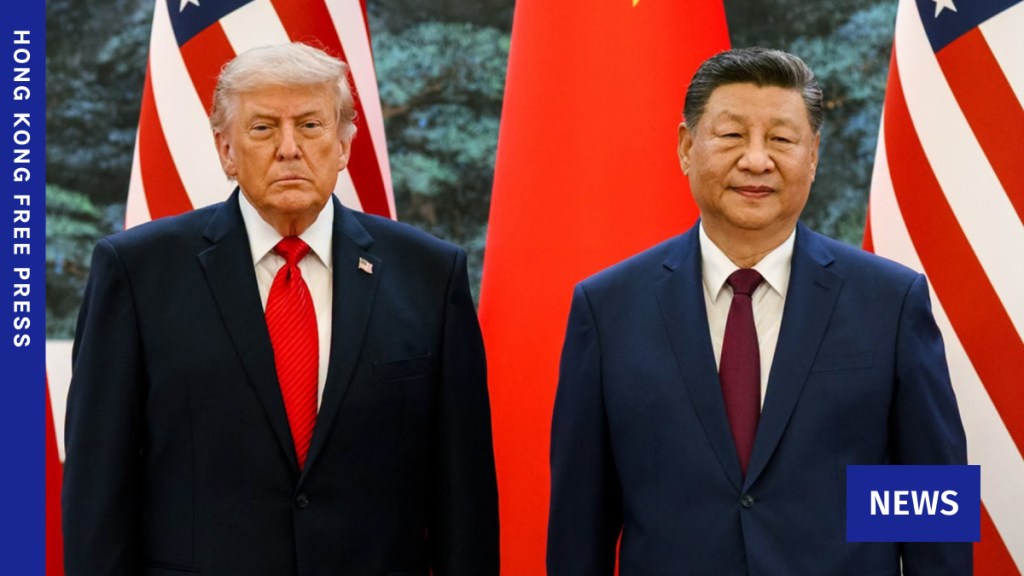
U.S. and Chinese leaders have extended their trade truce for an additional three months, aiming to buy time amid growing pressure on their nations' strategic rivalry. Chinese President Xi Jinping visited the U.S. from September 23 to 25 at the invitation of President Donald Trump, who confirmed a series of future meetings throughout the year.
Despite the apparent diplomatic efforts, analysts warn that the two largest economies still face a fierce competition over trade, technology, Taiwan, defense, rare earths, and industrial policy.
Daniel Russel of the Asia Society Policy Institute notes that while both leaders desire stability in their relationship, there must be concrete outcomes to ensure the truce lasts in the long run. Some critics argue that Beijing has not fully honored its commitments made during previous meetings, and U.S. officials express their frustration with China's actions.
Under the agreement, China agreed to buy more U.S. soybeans and other agricultural products, and to suspend rare earths restrictions for a year. The pact was initially set to expire in November but was extended until January 10. U.S. Treasury Secretary Scott Bessent confirmed the extension, stating that Washington views such extensions as compliance periods, while China largely met the bare minimum requirements to maintain the agreement.
U.S. trade officials describe the extension as a "short leash" strategy, pointing to concerns over the delivery of rare earth magnets, which they believe Washington wants to keep under close watch. China, however, preferred a longer extension but settled for the current arrangement due to its anxiety about rare earth magnets and the need to contain tariff threats.
While both countries have made progress on other economic outcomes, analysts remain skeptical about the sustainability of the truce. U.S. officials anticipate discussing tariff threats and excess capacity issues during a G20 trade ministers meeting in Wisconsin next week. Meanwhile, China and the U.S. have agreed to establish a notification system for potential artificial intelligence threats, seen as a modest step towards regulating the technology in a competitive environment.
Written by urgent.news from Hong Kong Free Press - China's reporting — not their text. Machine-written — may contain errors; check the original before relying on it.
This story
This is one outlet's version. Read the fullest account.