Umno’s turncoat approach risks eroding partners’ trust, say analysts
Analysts say the party’s efforts to rebuild its strength could be at the expense of lasting cooperation.
Analysts warn that Umno's approach of working with various political parties could damage its partners' trust and weaken future alliances. Mazlan Ali of Universiti Teknologi Malaysia explained that this flexibility could provide electoral benefits, but warned that the frequent changes in direction might strain relationships with partners and make Umno seem unreliable to potential allies and voters. He predicted that this could lead to political instability.
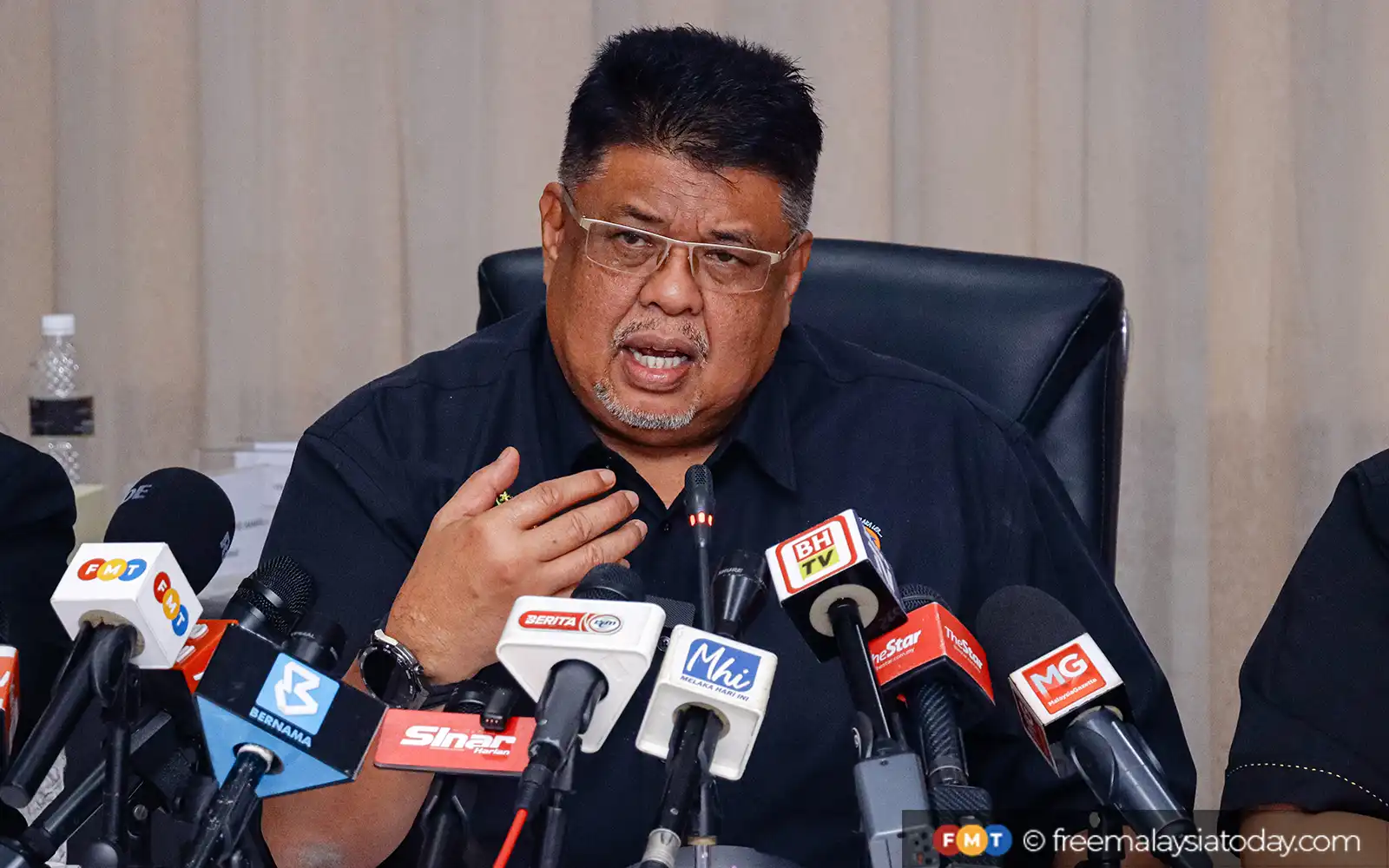
Ab Rauf Yusoh, the BN chairman in Melaka, stated that the coalition remains open to talks with all parties ahead of the upcoming state elections, but no definitive electoral pact has been finalized yet. At the national level, BN is still part of the unity government with Pakatan Harapan, but BN and Perikatan Nasional (PN) formed a coalition and won 25 out of 36 seats in the recent Negeri Sembilan election.
However, Hamzah Zainudin's Wawasan party, which won three seats, was not invited to the recent Umno general assembly, sparking speculation about Umno's potential cooperation with PAS. This development has caused resentment within the opposition and calls for BN to step back from the administration.
Syaza Shukri of International Islamic University Malaysia also pointed out that uncertainty over future partnerships is not only Umno's issue, as PAS is also keeping its options open. Both parties seem reluctant to make firm commitments, indicating limited trust between them. She noted that Umno would likely prefer to operate independently, viewing electoral alliances as a way to ensure enough support to form a government.
She cautioned that joining a coalition doesn't guarantee Umno's continued commitment, as they could reassess their stance if they felt threatened or discovered a more favorable opportunity elsewhere. Syaza argued that the lack of a shared ideological foundation also makes it difficult to maintain long-term cooperation, as competing leadership ambitions could undermine a lasting partnership.
Written by urgent.news from Free Malaysia Today's reporting — not their text. Machine-written — may contain errors; check the original before relying on it.
Also reported by 1 other outlet
- Umno’s turncoat approach risks eroding partners’ trust, say analysts freemalaysiatoday.com