Trump rejects Iran deal to reopen Strait of Hormuz in seven days
US President Donald Trump has rejected an Iranian proposal to reopen the Strait of Hormuz to commercial shipping within a week He told reporters at the White House that Tehran “want to make a deal where they open the Strait immediately because they’re losing so badly”. In a post on Telegram, Iran’s Foreign Minister Abbas […]
On September 27, US President Donald Trump firmly rejected a truce proposal put forth by Iran that could have potentially reopened the Strait of Hormuz to shipping within a week. This critical waterway, vital for global energy supplies, has become a focal point in the ongoing standoff between the US and Iran, which has been at a standstill for nearly seven months.
During a press conference outside the White House, Trump declared, "I reject their proposal," adding, "They want to make a deal where they open the Strait immediately because they're losing so badly. They want to make a deal and I think that's fine. I like making a deal too."
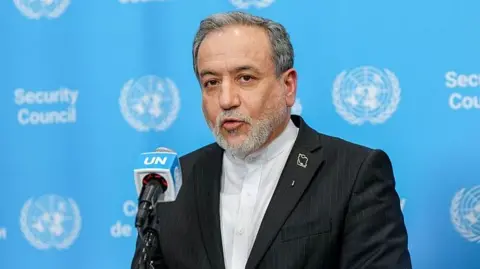
Iranian President Masoud Pezeshkian, en route back to Tehran after attending the UN General Assembly in New York, confirmed to CBS News the proposal had been drafted "in coordination" with Supreme Leader Mojtaba Khamenei. The Iranian plan calls for a cessation of all hostilities across the Middle East, including in Lebanon, according to Foreign Minister Abbas Araghchi.
He revealed that the terms mirrored those of a memorandum of understanding signed earlier this year involving the US, which would involve the release of frozen Iranian assets, lifting of sanctions on Iranian oil, and the end of the US naval blockade. If the truce holds, Hormuz would reopen on its seventh day.
Meanwhile, Saudi Arabia's Foreign Minister Faisal bin Farhan expressed frustration at the UN, claiming the "international community has been absent" and failing to uphold its responsibility to keep Hormuz and Bab al-Mandab open. Russian Foreign Minister Sergei Lavrov pledged Russia's readiness to work constructively towards stabilizing the strategically vital region.
Pezeshkian met with UN Secretary-General Antonio Guterres in New York, stating that Iran has not abandoned the negotiating table but now harbors no trust in the US. Araghchi conveyed Iran's seven-day plan to the US, proposing the Strait's reopening and resumption of maritime passage within seven days if the necessary conditions are met. The decision now lies with the US, as Iran refuses to yield its sovereign rights under pressure.
However, within hours, The Wall Street Journal reported that Trump was skeptical about Iran's compliance with his demands, foreseeing the resumption of US bombing campaigns. Trump himself tweeted a map of Hormuz, marked "Trump Strait." Iranian Revolutionary Guards spokesman Hossein Mohebi vowed to persist in targeting the US until Tehran's seven conditions are fulfilled, including ending hostilities in Yemen.
Written by urgent.news from Malay Mail's reporting — not their text. Machine-written — may contain errors; check the original before relying on it.