To understand where Hong Kong is going, start with Tung Chee-hwa
On September 8, Tung Chee-hwa, Hong Kong’s first chief executive, died. It prompted reflection, not only on a political figure who once stood at the centre of the city’s public life, but also on nearly three decades of change since its return to China. History is rarely shaped by a single person or isolated decisions. Individual choices, institutional adjustments, social expectations and external…
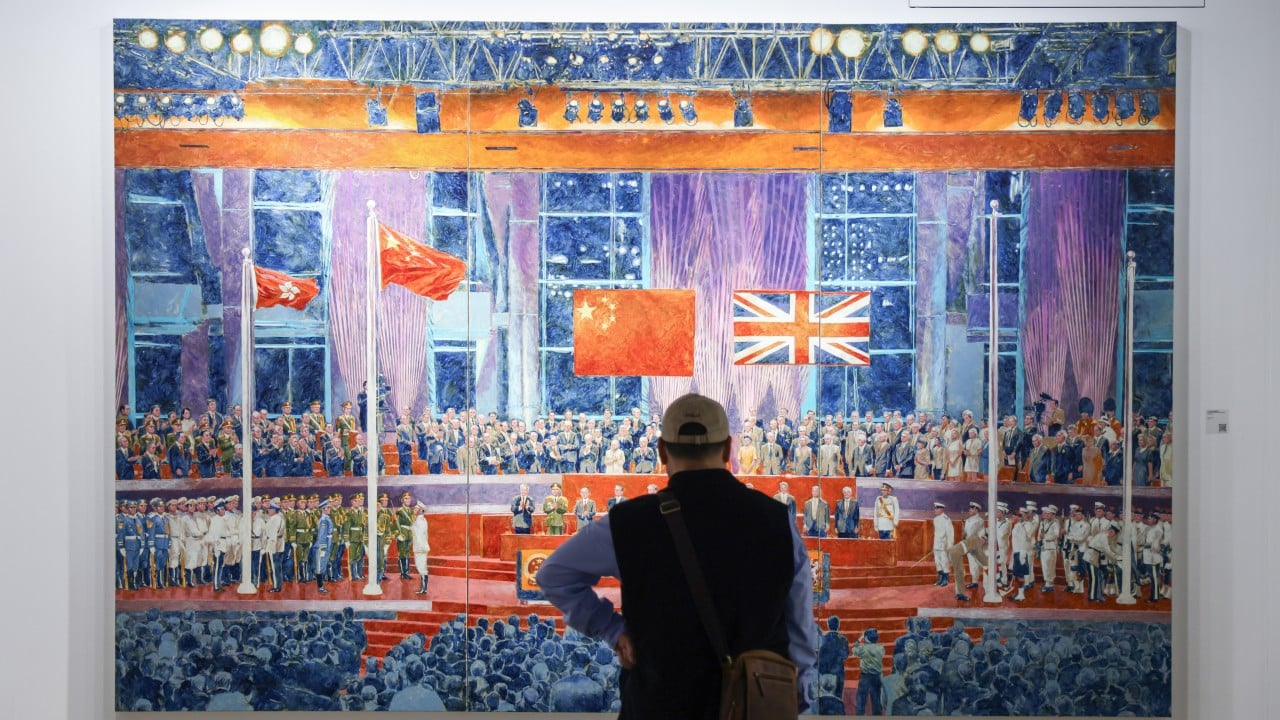
On September 8, former Hong Kong leader Tung Chee-hwa passed away, prompting reflection on the city's transformation since its return to China. To grasp the importance of Hong Kong's inaugural chief executive, one must consider the broader historical context. Colonial rule established a well-organized administrative system in Hong Kong, emphasizing efficiency, order, and procedure.
However, this system operated under a distinct political structure during British rule, differing from modern constitutional systems in terms of legitimacy, public participation, and political accountability. Following 1997, Hong Kong embarked on a new phase, transitioning not only in political authority but also in societal perceptions of public power.
Citizens began scrutinizing not just policy efficacy but also the reasons behind decisions, the consideration of differing viewpoints, and the allocation of responsibility for outcomes. Tung's administration faced the challenges inherent in moving from a well-established administrative model to a more intricate form of governance.
Balancing administrative efficiency with social legitimacy, expert decision-making with public participation, and long-term planning with immediate expectations has been a persistent issue shaping Hong Kong's public life. Amid this uncertainty, Hong Kong entered a new era without a clear blueprint for governance under "one country, two systems" and the Basic Law.
Decisions regarding the integration of institutions into this constitutional framework and the city's evolving relationship with national development had to be gradually discovered through practice. Reducing the complex developments of the subsequent decades to individual choices or isolated events oversimplifies the story. Hong Kong's difficulties should not be interpreted as evidence that its governance has "failed" or that the one country, two systems arrangement is fundamentally flawed.
A mature historical understanding does not dismiss achievements and shortcomings but resists the urge to condense history into a single label. While a political leader may be constrained by the era in which they operate, every administration leaves lessons worthy of reflection. The Hong Kong of 1997 confronted the challenges of identity and institutional transition, the 2003 Closer Economic Partnership Agreement with mainland China signified deeper integration, and subsequent cross-border infrastructure projects and the Greater Bay Area's development reshaped Hong Kong's relationships with surrounding regions.
Today, innovation, technology, industrial strategies, and housing improvements are focal points of Hong Kong's governance. Each era presents its own challenges, and every administration bears its own responsibilities. The significance of Tung's era lies in its historical standing as the starting point of Hong Kong's post-1997 development.
Some initiatives expanded, institutions evolved, and ideas carried forward by subsequent governments. Hong Kong's past three decades have not been the record of a single leader but a process shaped by governments, businesses, citizens, and society. Reflecting on the past does not necessitate another retrospective of merits and faults or reopening contentious issues that might cause social division.
Once individuals depart from the historical stage, cities continue moving forward. Hong Kong currently faces financial crises, economic restructuring, social challenges, and public health emergencies. Its relationship with the mainland, regional connectivity, and economic structure continue to evolve. Today, Hong Kong continues to seek new answers in housing, innovation, industrial transformation, regional integration, and global competitiveness.
Understanding Tung's role is ultimately grasping the historical moment he represented. To comprehend Hong Kong's future, one must first understand its past.
Written by urgent.news from South China Morning Post's reporting — not their text. Machine-written — may contain errors; check the original before relying on it.