The President vs. the Press
Donald Trump’s behavior cannot be called unexpected at this point. What was noteworthy last week, however, was the way that the media responded.
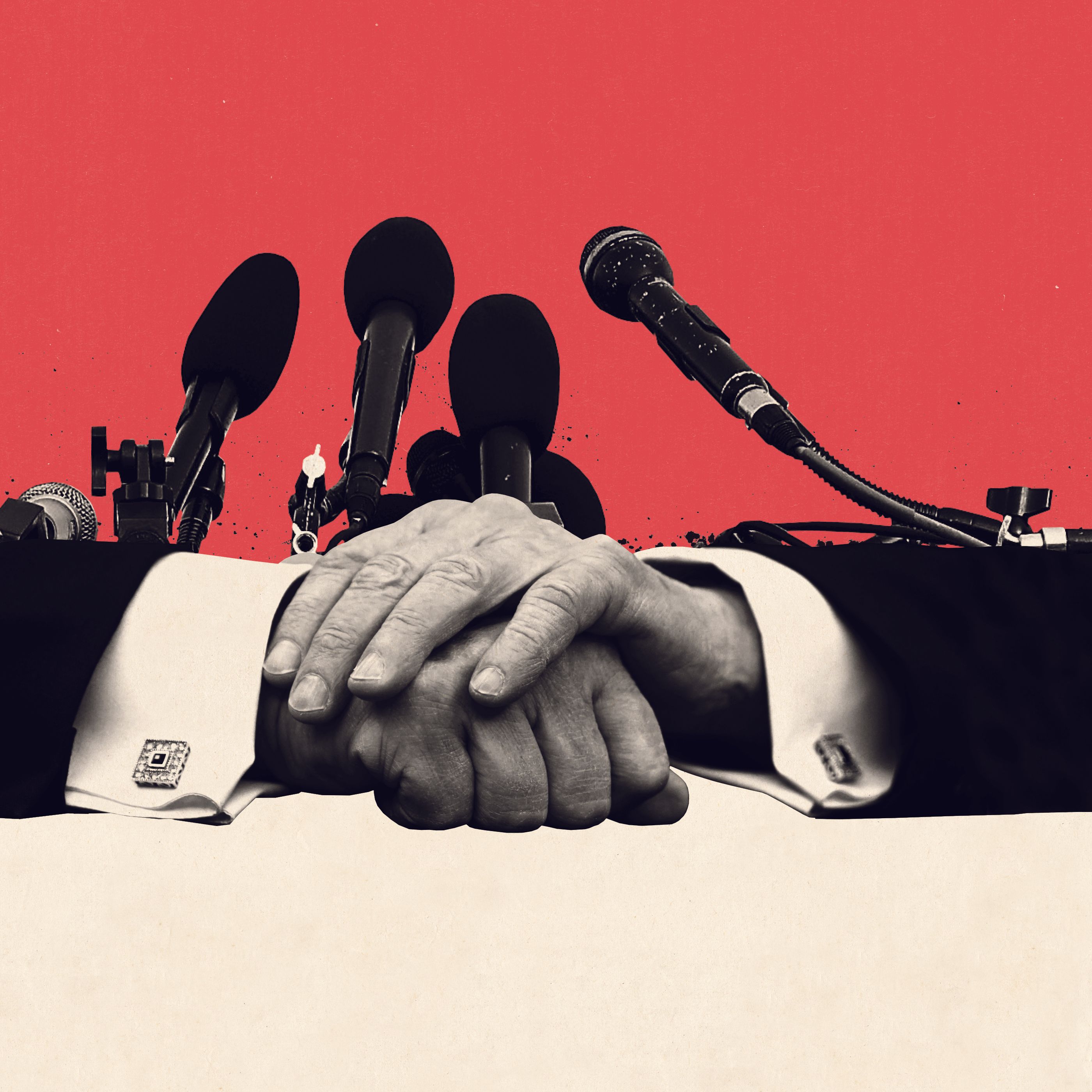
Three news outlets recently filed a lawsuit, contending that the President's ban on media access violated their First Amendment rights. Numerous other media organizations, including prominent publications like The New Yorker and Condé Nast, joined the case with an amicus brief. Some outlets, in solidarity with their peers, refused to participate in pool coverage of the President's events.
The Department of Justice responded, claiming the organizations had "threatened national security and spread falsehoods," asserting that access to the White House is "a privilege," not a right. The White House sent Politico a letter citing its reporting on the Iran war as an example of compromising national security, involving an anonymous source they claimed was Vice-President J. D. Vance.
President Trump criticized the media, accusing them of constantly reporting "FICTION and LIES" about him. However, Trump seemed aware of his precarious position, preemptively arguing that the judge hearing the case was an unfriendly draw for the Administration's claims. The ban followed a pattern of potentially illegal or unconstitutional actions by Trump, from attempting to put his name on the Kennedy Center to overruling the Fourteenth Amendment.
The case proved warranted in the short term, with the judge imposing a fourteen-day suspension of the ban after the journalists were denied access initially. Despite the controversy, the press' united front in defending their rights is significant and may signal a potential change in how news organizations respond to such challenges.
Written by urgent.news from The New Yorker's reporting — not their text. Machine-written — may contain errors; check the original before relying on it.