Tehran insists diplomacy is only way forward after Trump rejects Hormuz plan
Iranian Foreign Minister Abbas Araqchi said diplomacy remains the only way to resolve the conflict with the United States and Israel after U.S. President Donald Trump said he had rejected Tehran’s proposal to reopen the Strait of Hormuz and halt the fighting, Reuters reported on Sept. 27.
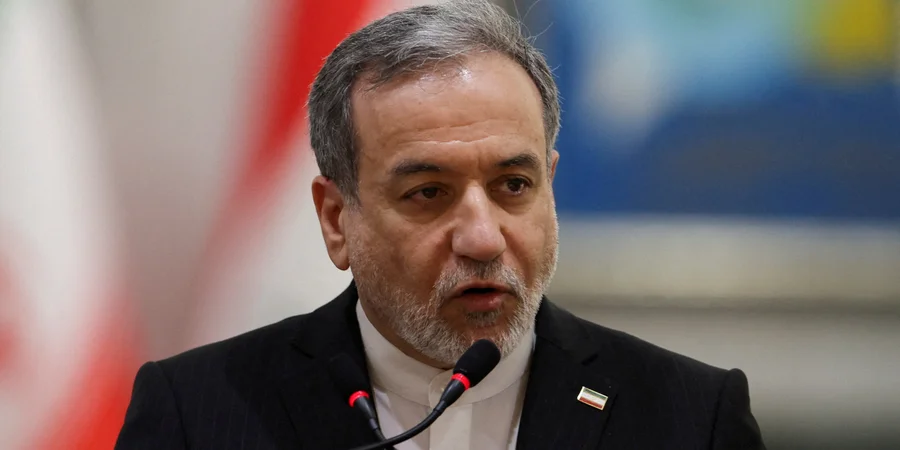
Iranian Foreign Minister Abbas Araqchi declared on September 27 that diplomacy is the only path to end the ongoing conflict with the United States and Israel. He reiterated that Iran's conditions for reopening the Strait of Hormuz and stopping the fighting must be met, asserting that a negotiated solution is the only way out of their current deadlock.
Iran had presented its proposal at the UN General Assembly in New York and conveyed it to Washington through Qatari mediators. On September 26, President Donald Trump announced his rejection of the proposal, citing Iran's increasing military and economic pressure as the reason for seeking an agreement. However, Araqchi claimed that the U.S. mediators had not formally informed Iran about the rejection.
Tehran is awaiting the mediators to relay Washington's final stance before deciding on the next steps. The Iranian proposal outlined a seven-day process, beginning with the reopening of the Strait of Hormuz and a temporary cessation of regional hostilities. If the U.S. approved the plan, Iran and the U.S. could then engage in broader negotiations on various subjects, including Tehran's nuclear program.
Iran insisted on the U.S. easing military pressure, lifting the naval blockade on Iranian ports, and removing economic restrictions before resuming maritime traffic through the strait. Iranian President Masoud Pezeshkian reiterated Iran's willingness to negotiate over its nuclear program and other issues, but would not concede to coercion.
The conflict, which began on February 28 with U.S. and Israeli strikes on Iran, has seen alternating periods of reduced fighting and renewed attacks. Both sides have struck U.S. interests and partners in the region. The war has inflicted an estimated $38 billion cost on the U.S. as of August 1, with an additional $3 billion monthly expenses if it persisted.
A Pentagon inspector general report found that Iranian strikes had damaged or destroyed hundreds of structures at U.S. bases in eight Middle Eastern countries, along with dozens of military aircraft and drones.
Written by urgent.news from New Voice of Ukraine's reporting — not their text. Machine-written — may contain errors; check the original before relying on it.