Ouigo gana la batalla de los precios bajos a Renfe e Iryo
Los tres grupos, que mejoran en rentabilidad e ingresos, apuestan por la estabilidad tarifaria, pese al fuerte impacto de costes e inflación en España. Leer
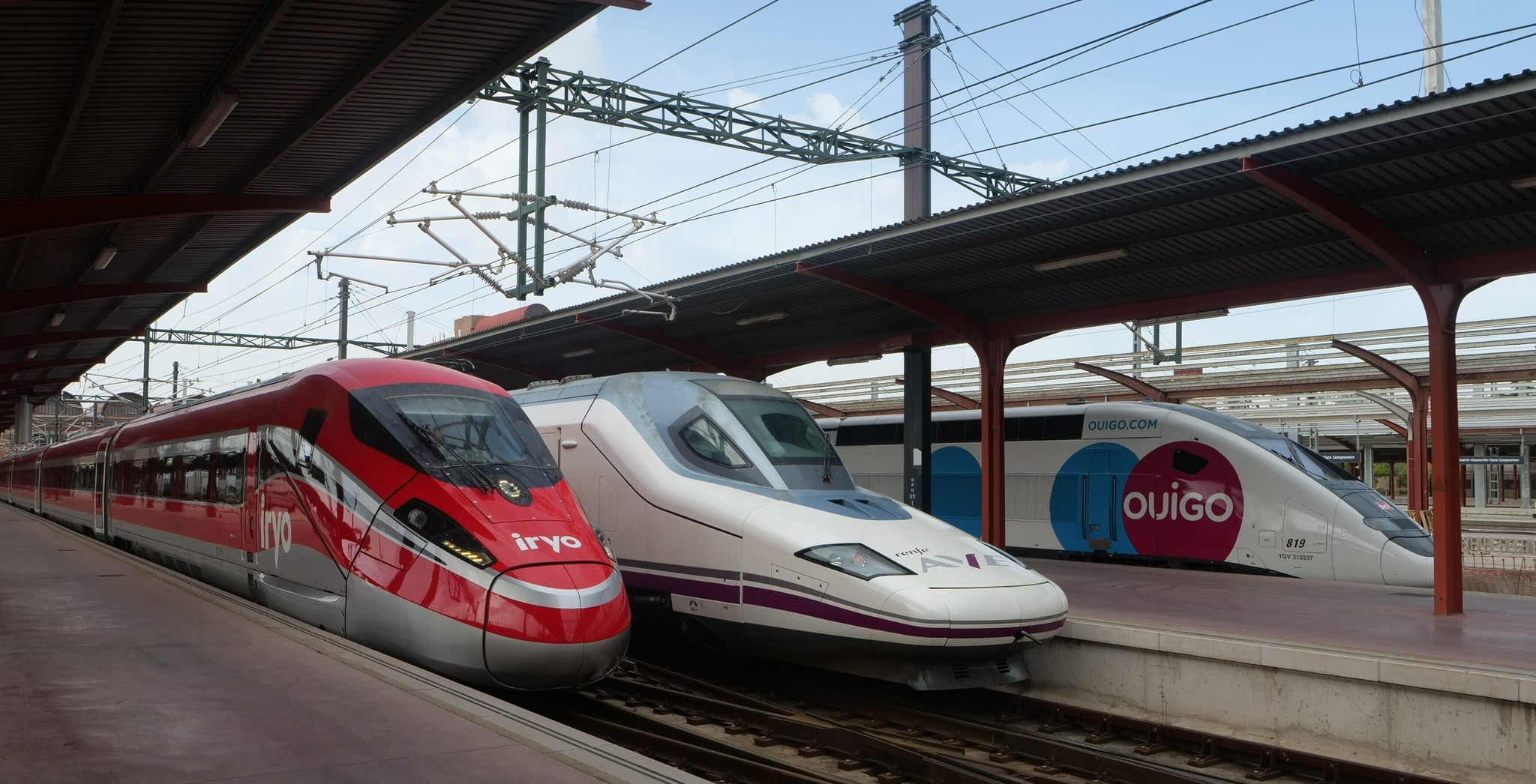
Three major Spanish rail groups, Ouigo, Renfe, and Iryo, are competing for market stability despite rising costs and inflation in the country. Ouigo, a high-speed service by SNCF, has emerged victorious in the low-price battle against Renfe and Iryo, offering the most competitive average fares across all routes. The rivalry between the operators has been ongoing since May 2021, even as long-distance train travel has lost demand and seen increased costs due to inflation and forceful speed reductions.
Ouigo stands out as the cheapest option for routes such as Madrid to Barcelona (55.4 euros), Málaga (37.5 euros), Valencia (28.7 euros), Alicante (30.5 euros), and Sevilla (36.5 euros). Ouigo's pricing strategy remains focused on providing affordable fares to travelers, even as the company's earnings improved in the second quarter of 2026, driven by decreased demand in long-distance travel.
The demand trend for 2026 has been influenced by incidents like the Adamuz train collision in January and subsequent speed-limiting measures that disrupted circulation for all high-speed operators. The year's events were also marked by the withdrawal of Renfe's Avlo service in the Madrid-Barcelona corridor, which may have contributed to the increased cost of the flagship Spanish route, although the rise was less severe than anticipated.
In June 2025, the average price in the Madrid-Barcelona corridor rose above 65 euros, four euros more than the same period this year. Renfe was the most expensive operator in the first half of 2025, maintaining median ticket prices above 65 euros on the Madrid-Barcelona route throughout the period. Ouigo was the cheapest, with differences of over 20 euros compared to the public operator.
Between June and August 2025, major online travel platforms detected stable price behavior amidst inflation, with Trainline data showing an 11% interannual increase for the Madrid-Alicante route and a 13% rise for the Madrid-Valencia route, while other operators maintained similar levels to 2025. After a February dip in demand (around 30%), traveler confidence has gradually recovered, depending on the route.
While Sevilla, Valencia, and Alicante have returned to near-regular traffic, Barcelona remains behind due to ongoing speed limitations on the line, according to Trainline's general manager for Europe, Pedro García. BlaBlaCar has also observed a recovery in demand, especially during the summer campaign. Overall, train reservations increased by 27% during the summer, while shared ride travel grew by 14% compared to 2025.
The average median train fare has remained at 25 euros (compared to 18-19 euros in summer 2025), consistent with figures from the previous summer, as reported by Trainline.
Written by urgent.news from Expansion ES's reporting — not their text. Machine-written — may contain errors; check the original before relying on it.