La banca europea pagará más por refinanciar 188.000 millones en deuda
Los vencimientos de 2027 son mucho más baratos que los precios actuales de los bonos y el sector bancario es el que lidera las necesidades de emisión en euros del año que viene. Leer
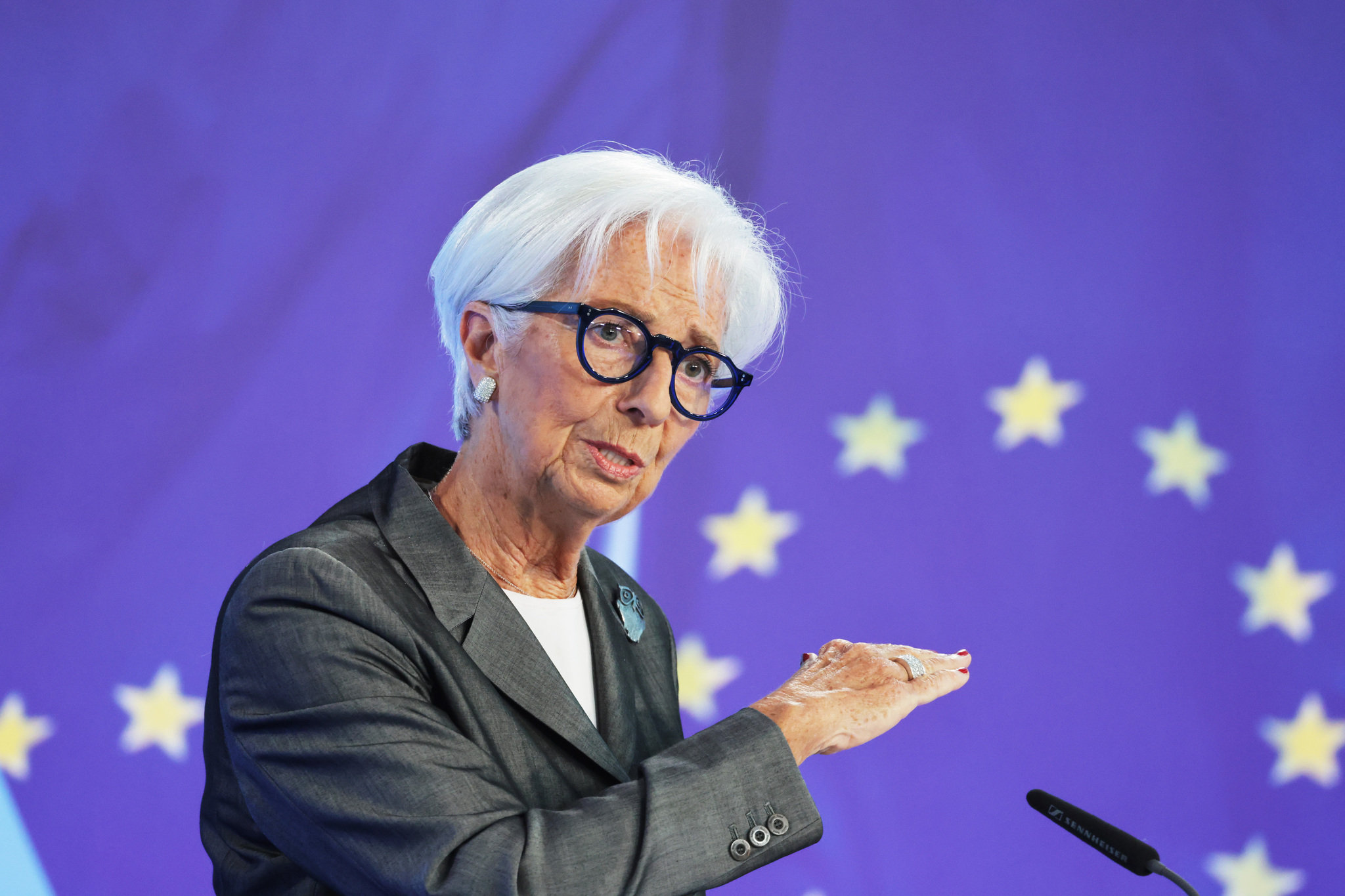
European banks will pay more to refinance €188 billion in debt, according to recent data and analysis. The loans due in 2027 are cheaper than current bond prices, and the banking sector leads the need for euro issuances next year. European banks have to cough up more as the debt they sold in euros years ago, with very competitive interest rates, comes due.
Refinancing is costing them more. The increase in the price of money has affected all fixed-income instruments, not just the banking sector. But banks are the most affected. There is no sector in Europe facing as many maturities and issuance needs next year, despite CreditSights predicting 750 billion euros worth of new euro bonds next year.
European utility companies (energy, gas, and water) have the closest maturities, with 43 billion euros. Most of the banking issuances need to be refinanced because their purpose is to cover crisis buffer requirements and regulators will not accept anything else. Now, they have to pay more. The average spread of euro-denominated, investment-grade instruments issued by banks that mature is 2.6 percent, while new 2026 issuances are being paid at an average of 3.7 percent.
The spread will continue to rise as the 2026 average only partially reflects the increase in rates declared by the European Central Bank (ECB) before summer, and not the additional increase added recently, which has driven up the official cost of money to 2.5 percent. The upside is that the cost increase doesn't reflect investors' perception of the banking sector, which has been in demand throughout the year for its debt-proof geopolitical shocks.
The cost of the banking sector's riskier debt, known as contingent convertible bonds (CoCos or AT1), is also higher than ever, with strong demand and a high price, which has not been affected by the cheapening of prices. The part that drives up bond issuances is solely due to the overall market, the midswap or reference rate for fixed-income issuances, with the ECB being the primary culprit.
Banks accept the cost increase with the assumption that it will also increase the loans they issue, as that is their main source of income. While banks are hurting from the cost of refinancing, experts warn that 2027 will be a difficult year even with the positive sentiment towards the banking sector from investors. Inflation is not controlled, and the ECB may continue to tighten monetary policy to tame prices in a volatile geopolitical-economic context.
Additionally, there are general elections in Spain, France, and Italy that could disrupt markets and force banks to be prepared for any opportunity that arises.
Written by urgent.news from Expansion ES's reporting — not their text. Machine-written — may contain errors; check the original before relying on it.