Nepal disaster: SMART did not search Rasuwagadhi due to operational constraints
PUTRAJAYA: Malaysia’s Special Malaysia Disaster Assistance and Rescue Team (SMART) did not conduct a direct search for survivors and victims at Rasuwagadhi, the site of a catastrophic avalanche and flash flood in Nepal, due to operational constraints and lack of approval.
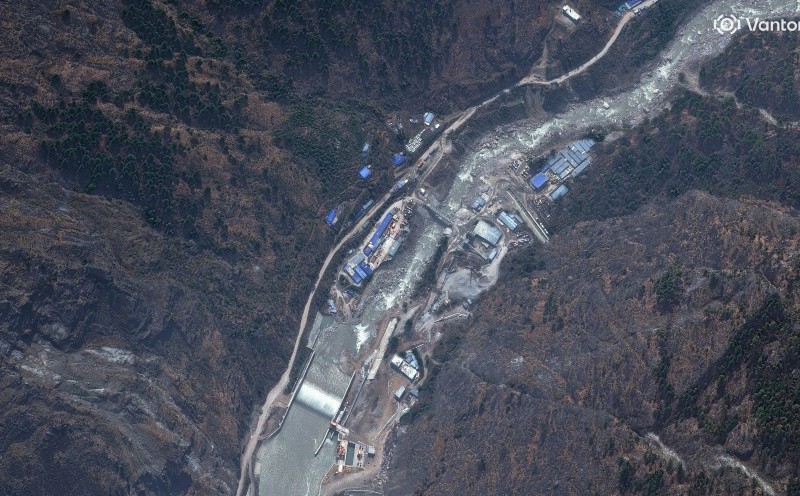
Malaysia's Special Malaysia Disaster Assistance and Rescue Team (SMART) did not directly search Rasuwagadhi, the site of a devastating avalanche and flash flood in Nepal, due to operational constraints and lack of approval, according to team commander Abdul Manaf Che Isa. This revelation came during a briefing at Wisma Putra today, addressed to the families of the 55 Malaysians still unaccounted for in Nepal.
MASFIH spokesman Dr Manivannan Rethinam inquired about the reason behind SMART's decision not to search Rasuwagadhi, emphasizing that the team had conducted searches in areas that were safe and approved by Nepalese authorities. The search operations included ground searches and drone surveillance in Rasuwa. Dr Manivannan informed the families that while survival was not ruled out, the chances had become very slim after 33 days.
He mentioned that the families were now focused on identifying any recovered remains. All 101 DNA samples from the Malaysian families were processed in Malaysia, with three already sent to China after confirmation through immigration records. The remaining 98 samples are awaiting results for comparison with DNA from victims and remains in Nepal.
Despite Nepal's expected end of the search-and-rescue phase, Dr Manivannan expressed hope that all 101 samples would be shared with China as a precaution. Identified remains would be buried, allowing families to claim them later if DNA matches were established.
Written by urgent.news from New Straits Times's reporting — not their text. Machine-written — may contain errors; check the original before relying on it.