Most of UK’s essential food supply grown in drought-risk areas, report warns
Keys crops such as cereals, potatoes, sugar and oils grown in areas with moderate to very high risk The vast majority of the UK’s essential foods, including cereals, potatoes, sugar and oil, are grown in areas of England rated as having a moderate to very high risk of drought. A very high proportion – 81% – of England’s fresh produce is concentrated in parts of the country that are already…
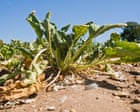
A recent report has warned that most of the UK's essential food supply is grown in drought-risk areas. Crops like cereals, potatoes, sugar, and oil are predominantly cultivated in parts of England with moderate to very high risk of drought. According to the analysis by nature-focused investment fund Rebalance Earth, 81% of England's fresh produce is concentrated in regions experiencing water stress.
Wheat, barley, oilseed rape, sugar beet, and potatoes are among the major crops affected, with 77%, 75%, 74%, 70%, and 67% of them respectively grown in drought-risk areas. Kirsty Wilman, Rebalance Earth's chief operating and financial officer, highlighted that drought builds slowly and quietly, impacting the economy through lower yields, strained supply chains, and higher prices.
Notably, traditional agricultural areas such as East Anglia and Kent, facing prolonged periods of dry weather, are particularly vulnerable. The 2026 harvest report from the Agriculture and Horticulture Development Board (AHDB) described England and Wales' cereal harvest as disappointing, with yields below historic averages. Andrew Blenkiron, who manages farms on the Elveden estate in Suffolk, expressed concerns over the impact of drought on their operations, noting that the estate is experiencing water scarcity issues.
Despite these challenges, Blenkiron emphasized the importance of using water resources efficiently to maintain food production levels. He believes the UK should better utilize its water resources to continue growing staple foods in productive areas, as relying on imports would further deplete natural resources elsewhere.
Written by urgent.news from Guardian Business's reporting — not their text. Machine-written — may contain errors; check the original before relying on it.