Memories of Maharashtra’s 1972 drought
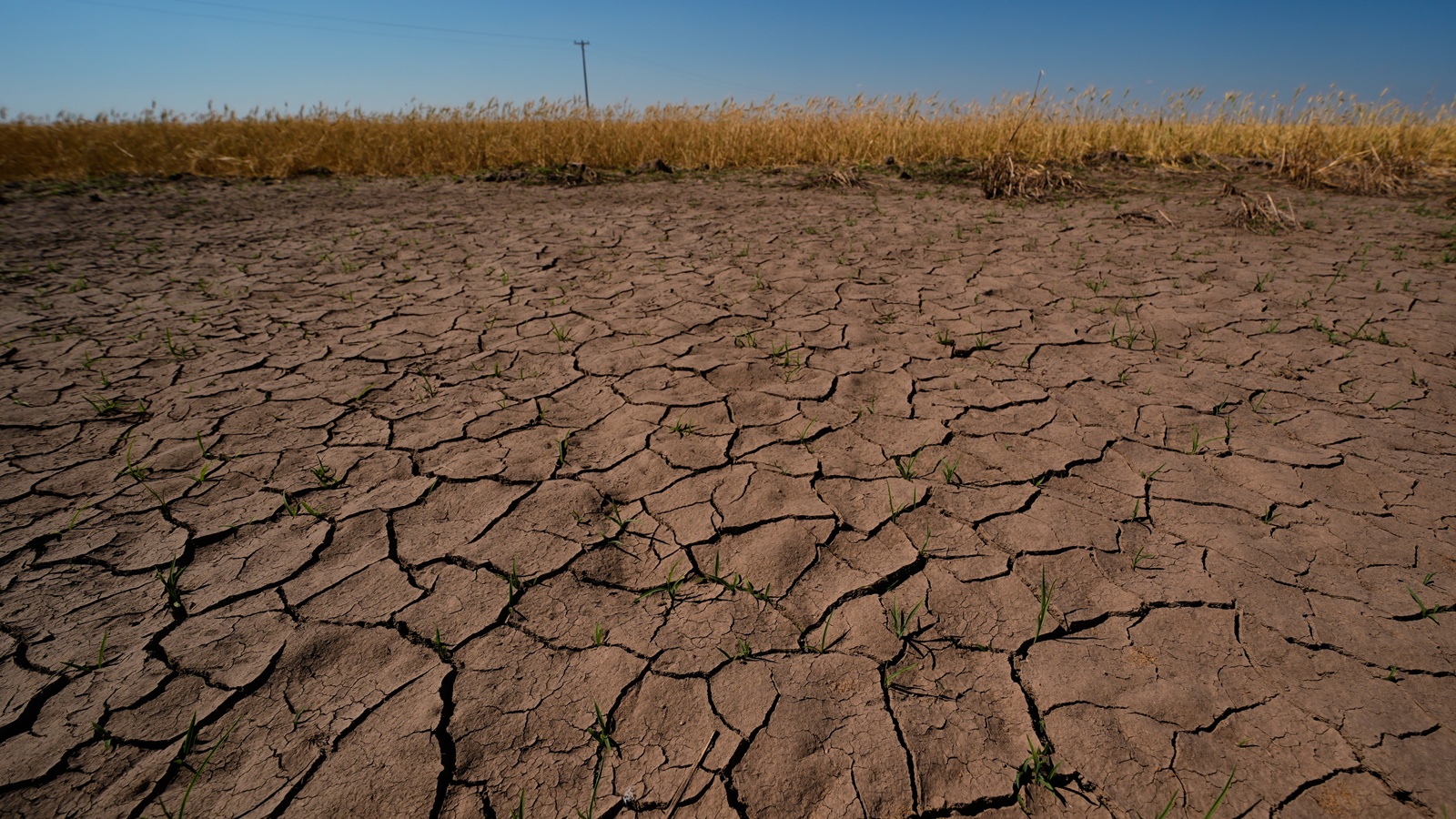
In 1972, Maharashtra faced its most severe drought, a crisis that could potentially be repeated if current trends continue. Chief Minister Devendra Fadnavis recently warned that this year's drought could surpass the severity of that year's disaster. The state, which became official on May 1, 1960, was then establishing itself and agriculture played a crucial role in its rural economy.
The failure of the southwest monsoon for three years starting in 1970 led to a drought that devastated nearly three-quarters of Maharashtra's population of 5.4 crore. During this period, 21 out of the 26 districts in Maharashtra experienced drought conditions.
The drought resulted in mass migration from rural Maharashtra to urban areas, with Mumbai's population increasing by an estimated 3.5 lakh during the drought year. The state government, led by Vasantrao Naik, implemented innovative policies, including the Employment Guarantee Scheme (EGS), which many experts consider a cornerstone of modern socio-economic policy.
The EGS provided alternative employment for those unable to work due to the drought, primarily through public works like water and soil conservation. The government also distributed a calorie-dense supplement called sukdi to mitigate starvation. The Public Distribution System played a crucial role in ensuring that essential grains reached those in need.
Despite the severity, the crisis did not result in widespread starvation deaths, a testament to the effectiveness of these measures. However, experts warn that the ongoing water scarcity could lead to even more severe droughts in the future, as the outdated irrigation systems are not equipped to handle modern water needs.
Written by urgent.news from The Indian Express's reporting — not their text. Machine-written — may contain errors; check the original before relying on it.