From mine to magnet: Malaysia's rare earths meed more than a ban
KUALA LUMPUR: Malaysia needs to attract investors for rare earth elements (REE) who are willing to bring technology, capital and expertise into the country as it seeks to move beyond exporting raw materials and build higher-value industries around its critical mineral resources.
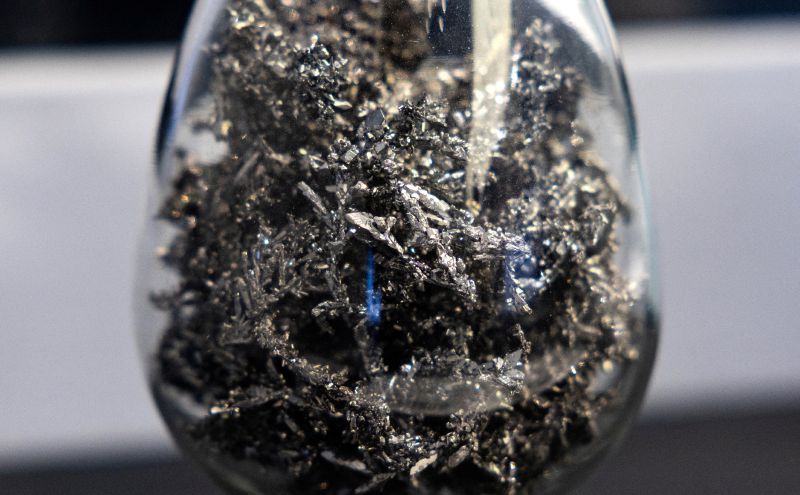
Malaysia stands to gain significantly from harnessing its vast mineral resources, particularly rare earth elements (REE) and magnets, as it seeks to transition from a raw material exporter to a producer of higher-value industries. However, the country faces significant constraints in developing a complete REE value chain, from mining to manufacturing.
Currently, Malaysia's REE exports are limited to raw materials, as the moratorium on raw mineral exports has prevented the export of rare earth carbonates (RECs) produced domestically. Domestic mining activity remains limited, with only the Gerik mine in Perak producing RECs from ion-adsorption clay deposits. This constrains Malaysia's ability to establish a steady supply of REEs for downstream processing.
To capitalize on its REE resources, Malaysia must expand domestic mining capacity to supply existing processing facilities. The current facilities in Peninsular Malaysia are capable of handling rare earth carbonates but are not yet processing locally produced feedstock. Developing downstream manufacturing capabilities, such as converting purified rare earth oxides into metals and alloys, requires significant capital investment, infrastructure, technology, and skilled workers, particularly in chemical engineering and metallurgy.
Malaysia's REE ambitions include the development of magnets, electric vehicle (EV) components, and semiconductor applications. An ASM report from 2023 outlined three stages for industry development: upstream mining and extraction, midstream separation and processing, and downstream manufacturing. While Malaysia has established downstream processing capabilities, a shortage of locally mined feedstock hampers the ability to rely on a steady domestic supply of REEs.
The Ministry of Investment, Trade and Industry (Miti) will play a key role in attracting investment and industrial integration to ensure Malaysia captures more value from its REE resources. Miti Minister Datuk Seri Johari Abdul Ghani emphasized the importance of REE investors bringing technology and participating across the supply chain, from upstream activities to downstream manufacturing.
Written by urgent.news from New Straits Times's reporting — not their text. Machine-written — may contain errors; check the original before relying on it.