Forty years after whaling was banned, threats remain
Since whaling was banned in 1986, whale numbers have rebounded but threats, mostly human-made, remain and are on the agenda at a meeting in Hobart.
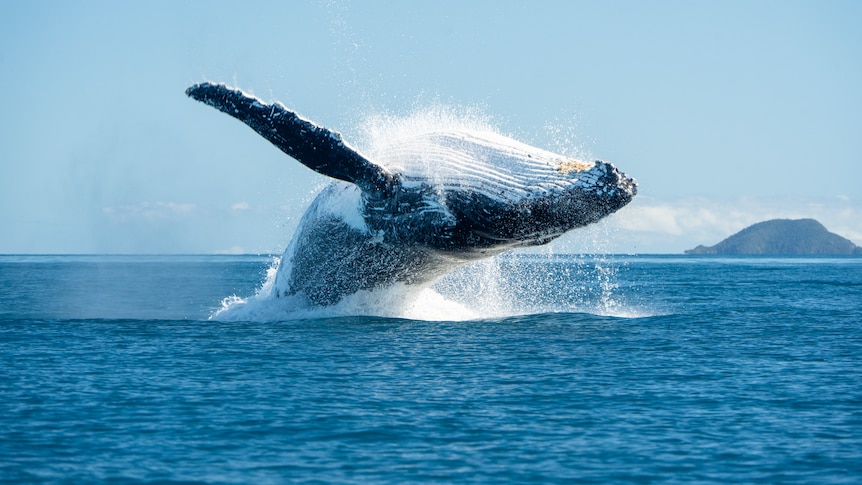
The International Whaling Commission (IWC) is gathering in Hobart to celebrate 80 years since its founding and discuss a 25-year plan to establish a whale protection zone. Despite a rebound in whale numbers since 1986, climate change, human activity, and krill fishing in Antarctica remain threats. Australia, currently chairing the commission, will oversee the Hobart meeting.
The IWC, established in 1946, introduced protections when commercial whaling threatened some species with extinction. The 2026 meeting will consider a proposal to create the South Atlantic Whale Sanctuary, which would encompass waters off the eastern coast of South America and join the existing Southern Ocean Whale Sanctuary. However, this proposal requires the support of three-quarters of the IWC's 89 member countries.
Dr. Nick Gales, the IWC chairman, emphasized that while the threat of whaling has diminished, new challenges such as climate change and krill fishing persist.
Written by urgent.news from ABC News AU's reporting — not their text. Machine-written — may contain errors; check the original before relying on it.