Scientists identify an overlooked brain region that sustains fear responses
A newly detailed brain region acts as a continuous alarm system during a threat. By sustaining fear responses long after initial warnings fade, this overlooked neural pathway could unlock new ways to understand and treat anxiety disorders.
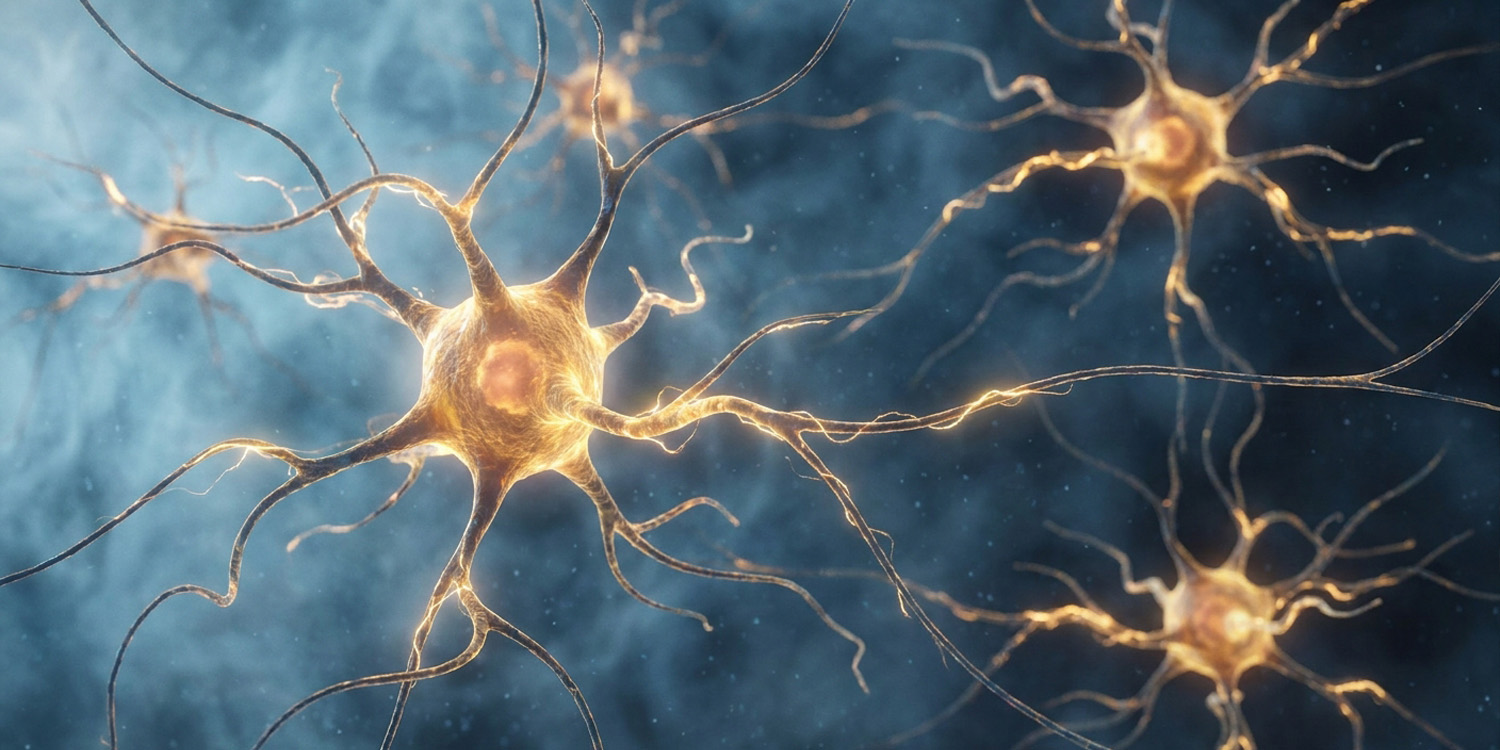
Scientists have recently identified a previously unknown brain region that sustains fear responses, according to a study published in the journal Neuron. The amygdalostriatal transition zone (ASt) is a small cluster of brain cells located between the amygdala, which processes emotions, and the striatum, which controls movement. This study reveals that the ASt provides a continuous alarm signal to maintain defensive behaviors over longer periods, a critical function that was previously missing from our understanding of neural circuits for learning and behavior.
Researchers led by Fergil Mills, an assistant professor at the University of Utah, found that the ASt consists primarily of a specific type of brain cell called Drd2-positive neurons, which have a high concentration of dopamine receptors. In experiments involving 15 live mice, the ASt neurons responded continuously to a threat-predicting auditory tone for the entire 20-second duration, unlike the brief bursts observed in the amygdala.
Optogenetics techniques allowed the researchers to control specific ASt neurons using light. When these neurons were activated, the mice immediately began freezing, a defensive behavior that persisted for the entire threat duration. By isolating the effects of the two different cell types, the researchers discovered that only the Drd2-positive neurons produced freezing and avoidance behaviors when activated.
This indicates that the ASt plays a causal role in fear responses, as its inhibition led to a nearly 50% reduction in fear responses in a separate group of 21 mice.
While this study highlights the ASt's role in sustaining fear responses, further research is needed to determine if the ASt specifically processes negative experiences or if it also responds to other intense stimuli. The findings are particularly significant for understanding the neural mechanisms behind fear and anxiety disorders, as well as potential therapeutic targets for treating these conditions.
Written by urgent.news from PsyPost's reporting — not their text. Machine-written — may contain errors; check the original before relying on it.