Bila pembetulan dasar jadi modal politik
Kes baja dan tarif elektrik menunjukkan pembetulan dasar perlu datang bersama akauntabiliti terhadap keputusan dan kelemahan yang mencetuskan masalah.
There is a compelling aspect to how we perceive change at the foundation. Citizens complain, issues gain attention, leaders intervene, actions are taken, and eventually, solutions are announced. At first glance, this is undeniably good. Leaders should listen and responsive governments should be ready to correct situations when a foundation fails to produce expected results.
However, there is a crucial question: what happens when the problem ultimately resolved is tied to the government's own decision-making or a lack of system that should have addressed it earlier? Consider the recent issue of new electricity tariffs. Following public concern over rising bills, Prime Minister Anwar Ibrahim convened a special meeting on September 17 with relevant ministers and agencies.
The government subsequently expanded electricity load protection for domestic users from 600kW per month to 800kW. There is nothing inherently wrong with this decision, and a government willing to make adjustments as circumstances change demonstrates that foundations are not necessarily inflexible. But the foundation itself should not end with the leader hearing and the issue being resolved.
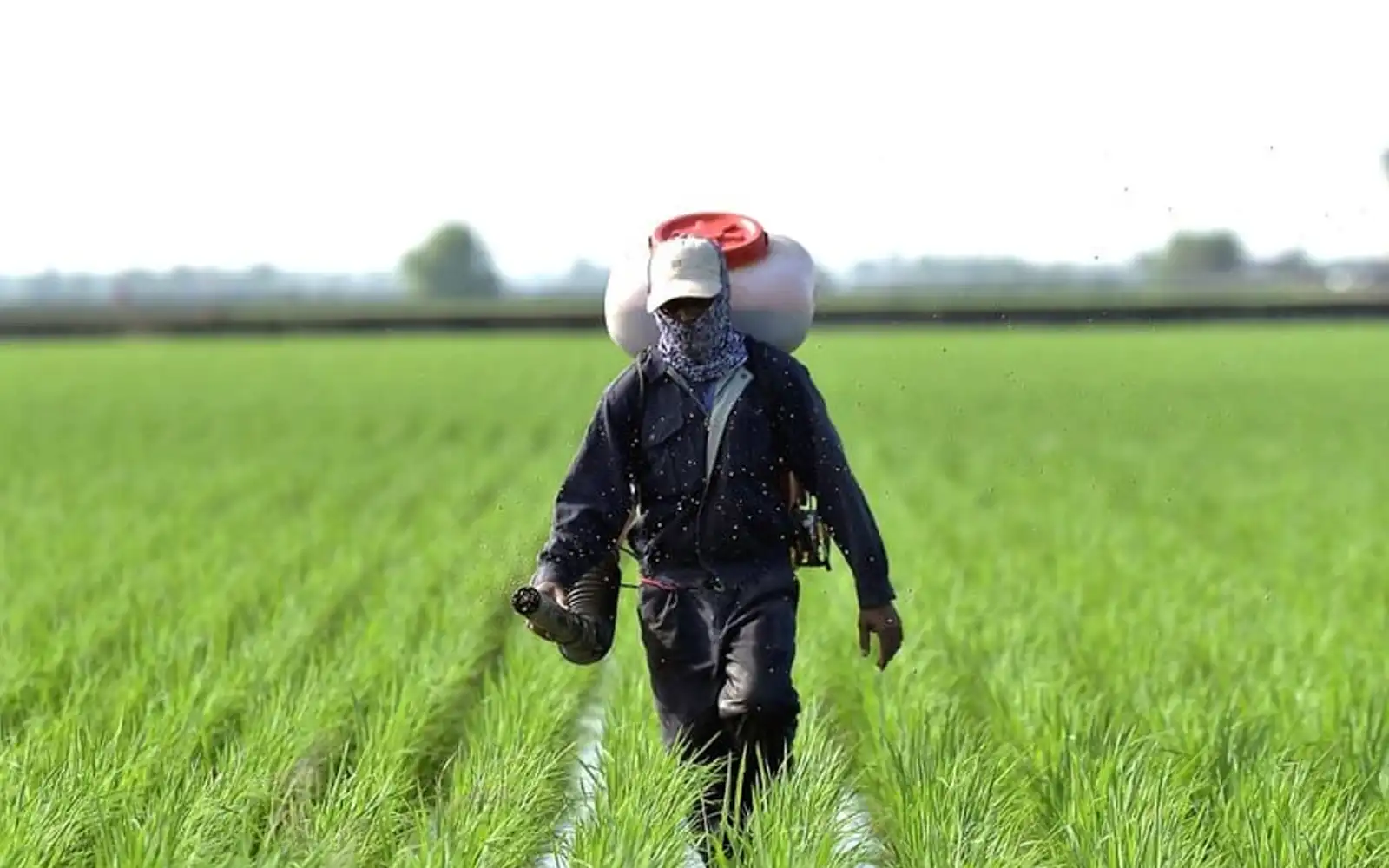
We must also ask how the problem arose, what initial assumptions failed, what unintended consequences occurred, and why remedial action was ultimately necessary. The case of rice brand 3 supply at the Malaysian Agricultural Development Agency (MADA) provides another example. On August 18, MADA announced that only 22% of the 616,015 bags needed had been supplied, with a delay of around 38,000 tons.
On September 6, Anwar directed SPRM to investigate the delay, and the investigation was opened. Once again, the question isn't whether the Prime Minister should intervene. If a problem is causing significant hardship, even the highest leader should act. The bigger question is: why did something have to wait for the Prime Minister before the system truly moved?
We need responsive leadership, but we also need a responsive system. Leaders must act when the system overlooks a problem, but a well-functioning system should not have to rely on the attention of a single leader to identify and solve every issue. This is where both the rice and electricity issues intersect. They are not just stories of leaders listening to the public.
They also invite us to examine what happens before political issues gain attention. Are warning signs visible? Are concerns documented? Are data showing something not working as planned? What mechanisms exist for remediation, and why hasn't it worked earlier? The hallmark of a good system is not how many problems are ultimately solved after leader intervention, but how many issues are identified and resolved before reaching that point.
In the age of social media, this question becomes increasingly important. Traditionally, we've talked about evidence-based foundations - decisions made based on data, assessment, and practical experience. However, we now face a new reality: foundations that shift after an issue becomes viral. Concerns spread, public pressure rises, political attention arrives, and the system begins to move.
Social media can indeed serve as a useful early warning system, bringing issues that may have been overlooked by bureaucratic radar to the notice of decision-makers. The danger arises when an issue has to become viral before being deemed vital. What goes viral is often not the significance, but the notoriety. An issue can grow in importance due to its easy narrative or influential individuals igniting it, while serious problems among groups with limited media access may continue to go unnoticed.
Therefore, frequently overlooked issues should not be dismissed as minor concerns. They may be early indicators of larger problems. The real challenge for government is not just showing it can act after an issue goes viral. A good system should be able to identify what matters before it has to become viral. Credit and accountability also require honesty.
We are too quick to label every change as a U-turn. Sometimes changes occur because circumstances have changed. Sometimes new information comes to light during implementation. And sometimes, original decisions simply need to be corrected. A government that never changes its stance is no more consistent than one that consistently refuses to learn.
So when a foundation changes, the more useful question is not just "why did it change?" but what we know now that we didn't know when the original decision was made? Have new evidence emerged? Was the original assumption too narrow? Has the situation changed? Or has implementation produced unintended consequences? If explained openly, a change in foundation can be seen as a learning process.
However, politics has its own logic. Any leader wants to show they are listening to the public, acting promptly, and capable of resolving issues. Naturally, any leader wants to claim credit for remediation. But credit for remediation should not be separated from accountability for what happened before. If the same government made a mistake before and then corrected it, both the mistake and the correction deserve attention.
Without this, the story of the issue fades into the end - the public complains, the leader arrives, and the problem is resolved - while the story of how the problem arose fades into obscurity. In the age of social media, the question of whether an issue becomes vital before it is noticed is more crucial than ever. The key to a good system is not just the number of problems ultimately solved after leader intervention, but the number of issues identified and resolved before they reach that point.
Written by urgent.news from Free Malaysia Today's reporting — not their text. Machine-written — may contain errors; check the original before relying on it.
This story
This is one outlet's version. Read the fullest account.
- Bila pembetulan dasar jadi modal politik freemalaysiatoday.com