3 Mideast conflict scenarios Malaysia must prepare for
Penaga Research and Consultancy says Putrajaya must act preemptively having benefitted largely from geography and a 'fortunately timed semiconductor cycle'.
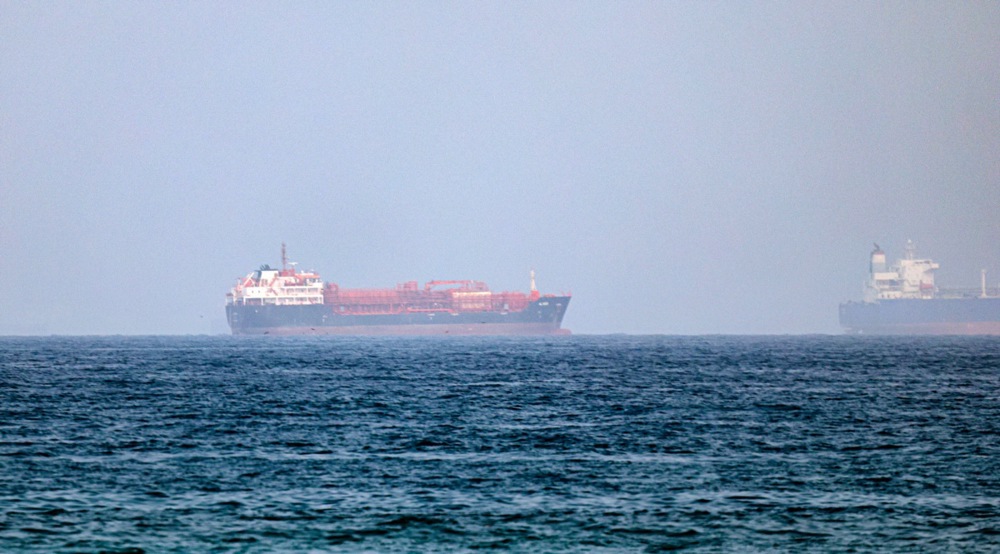
Malaysia must brace for three potential scenarios that could arise from the ongoing conflict in West Asia, according to Penaga Research and Consultancy. The first scenario involves the reopening of the Strait of Hormuz and the Bab-el-Mandeb strait, with Malaysia urged to treat these events as the baseline case rather than exceptional circumstances.
This reopening led to a 52% surge in liquefied natural gas exports and a 22% increase in petroleum products in August, driven by wartime prices rather than sudden capacity expansion. However, the research firm advises distinguishing between these fragile economic gains and long-term gains, such as plants built in Malaysia, when planning the country's fiscal strategy.
The second scenario to prepare for is the continued blockades at both waterways. As Malaysian ports, like Port Klang, already experience an influx of cargo, Penaga suggests expediting the expansion of Pulau Carey and Northport to boost port capacity. The firm highlights the need to close the paperwork gap between Malaysia and Singapore by adopting the United Nations' model law on electronic transferable records, which currently only Singapore has fully implemented.
Additionally, making border screening rules-based and transparent with a published list of triggers and a defined release and seizure timeline would help shippers navigate around specific restrictions instead of pricing in generalised uncertainty.
The third scenario involves escalations beyond the Middle East straits, particularly Iranian-linked proxy actions further east and friction between superpowers in the South China Sea. The Houthis' shift from attacking ships to controlling territory sets a new precedent that Southeast Asian planners must take seriously. Penaga recommends building institutional crisis-management capacity in Malaysia, independent of any single leader's personal credibility, to effectively manage risks involving flagged vessels and engage in diplomatic efforts before they become necessary.
Ultimately, Malaysia's success can be attributed more to benefiting from geography and a fortunate semiconductor cycle rather than deliberate design.
Written by urgent.news from Free Malaysia Today's reporting — not their text. Machine-written — may contain errors; check the original before relying on it.
Also reported by 1 other outlet
- 3 Mideast conflict scenarios Malaysia must prepare for freemalaysiatoday.com