₹3 Lakh Phone: Need, Want, Or Status? Why We Splurge On Luxury
Let's be honest: most of us don't need a ₹3 lakh phone. But then, luxury has never really been about need. We buy expensive watches, bags, cars and holidays because we want them. The more interesting question is why we want expensive things in the first place, and what owning them says about us. India’s changing luxury appetite The conversation comes at a time when India's luxury market is…
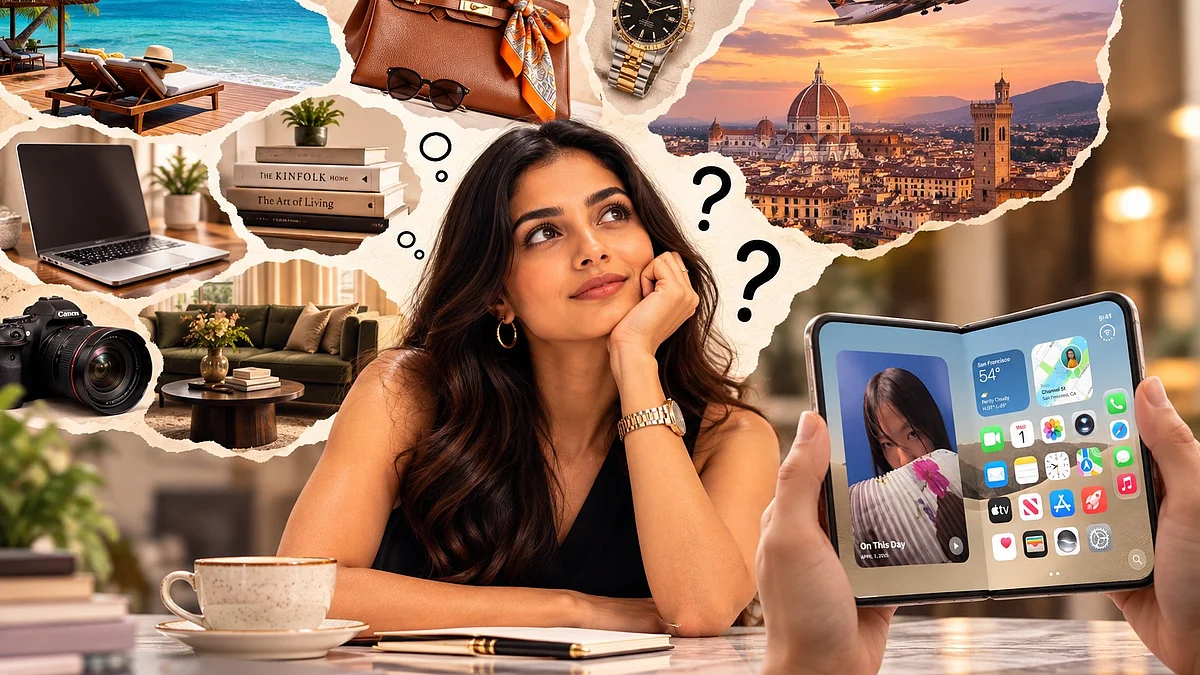
India's luxury market is growing, with increased disposable incomes, a rising middle class, and a higher number of high-net-worth individuals fueling the demand for expensive goods. Younger generations, like Millennials and Gen Z, are also shaping the luxury consumption landscape, seeking products that align with their lifestyle, are sustainable, and authentic.
Visa's 2025-26 study shows that affluent consumers are making more thoughtful purchases, opting for products that give meaning, visibility, and a sense of personal identity.
Fashion designer Manish Tripathi believes that luxury should provide exceptional value. He suggests that a luxury purchase should bring outstanding craftsmanship, materials, longevity, privacy, security, productivity, or a unique experience. For him, an expensive phone becomes a piece of heritage if it showcases good craftsmanship.
Clinical psychologist Mehezabin Dordi at HN Reliance Foundation Hospital in Mumbai suggests that our fascination with expensive products isn't solely about the product itself. Luxury items can fulfill psychological needs such as status, identity, belonging, and self-expression. An expensive phone can symbolize success, achievement, or the person we aspire to be. Social comparison and exposure to desirable possessions through peer groups and social media can amplify this attraction.
Manish Tripathi highlights that an expensive phone can mean different things to different people. It could be about personal taste, professional necessity, financial success, or belonging to a specific social circle. For him, the real question isn't whether one can afford it but why they desire it. FOMO can make a want feel like a need, as others around us appear to have the latest devices, making not having one feel like falling behind.
Social media significantly fuels consumerism, promoting the concept of luxury and fueling the fear of missing out. However, luxury spending isn't always driven by social pressure. Sometimes, purchasing an expensive item can be a personal reward, linked to effort and accomplishment. After overcoming difficulties or reaching a milestone, buying something expensive can create a sense of 'I earned this', providing immediate positive emotions and reinforcing a person's sense of achievement or self-worth.
Money Mantra's Viral Bhatt believes that personal finance isn't about dictating what one should or shouldn't buy. Instead, it's about understanding if a purchase fits comfortably into one's financial life. To make this decision, Bhatt suggests asking three questions: Can I afford it? Do I genuinely need it? And will I still be content with this decision six months from now? Bhatt also notes that a ₹3 lakh phone can suddenly seem manageable due to the availability of EMIs.
Written by urgent.news from Free Press Journal's reporting — not their text. Machine-written — may contain errors; check the original before relying on it.