TNB navigates rising generation costs under regulated power framework
KUALA LUMPUR: Tenaga Nasional Bhd’s (TNB) role at the centre of Peninsular Malaysia’s electricity system extends beyond that of a conventional profit-driven business, with tariffs, expenditure and returns governed by a regulated framework while the utility firm maintains critical power infrastructure.
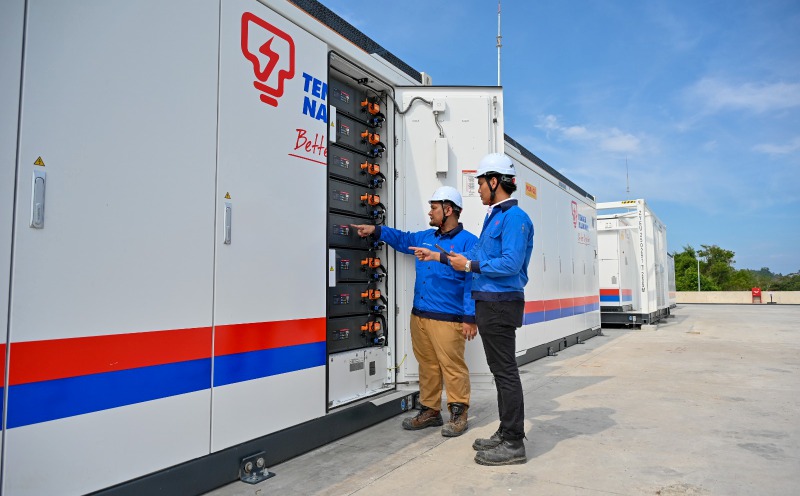
Tenaga Nasional Bhd (TNB) plays a crucial role in Malaysia's electricity system, operating under a regulated framework that governs its tariffs, expenditures and returns. Unlike businesses that can adjust prices freely, electricity tariffs in Malaysia are determined by the Energy Commission (EC) under Section 26 of the Electricity Supply Act 1990, with approval from the Minister of Energy Transition and Water Transformation.
This oversight extends to the Incentive-Based Regulation (IBR) framework, which sets prudent and efficient cost recovery, performance targets and a fair return on regulated assets.
The current Regulatory Period 4 (RP4) runs from July 1, 2025, to December 31, 2027, with an average base tariff of 45.40 sen per kilowatt-hour (kWh) approved by the EC on June 20, 2025. This revised tariff incorporates efficient capital and operating expenditures for transmission, distribution and grid operations, along with a regulated return on assets.
Under the IBR, the base tariff covers efficient capital expenditure and operating expenditure for various operations, alongside a regulated return on relevant asset bases. The EC reviews regulated entities' performance and expenditure against approved projections, ensuring separation between regulated and non-regulated businesses.
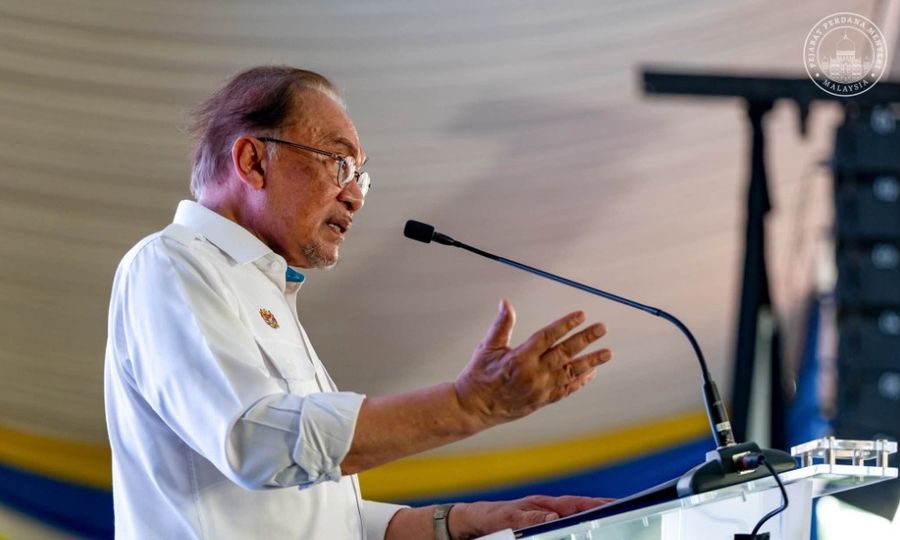
TNB's regulated businesses face a different landscape compared to commercial companies, as pricing, investment and returns are primarily determined by regulatory considerations. The finance minister, Amir Hamzah Azizan, acknowledged TNB's significant responsibility in maintaining balance within the electricity system.
While tariffs and returns are regulated, generation costs are still exposed to global fuel price fluctuations. Coal accounted for 58.5% of electricity generation in 2025, followed by natural gas at 33.5%, making up 92% of the total. Recent rises in global coal prices (from US$129.63 to US$148 per tonne) and liquefied natural gas (LNG) prices (from US$19.32 to US$30 per million British thermal units) directly impact generation costs.
The Automatic Fuel Adjustment (AFA) mechanism, introduced in July 2025, addresses these cost changes monthly. The mechanism adjusts for the difference between actual and allowed generation costs, including variations in fuel prices and power-purchase costs. The Single Buyer operates under an actual-cost regime, recovering the cost of procuring electricity from independent power producers (IPPs) and TNB Generation, separating fluctuations in fuel and generation costs from regulated returns earned on the electricity network and other regulated assets.
Written by urgent.news from New Straits Times's reporting — not their text. Machine-written — may contain errors; check the original before relying on it.