Why do so few women work in India?
According to a UN Women technical brief, Indian women spent about 22% of their day on unpaid care work, compared to 6.4% for men.
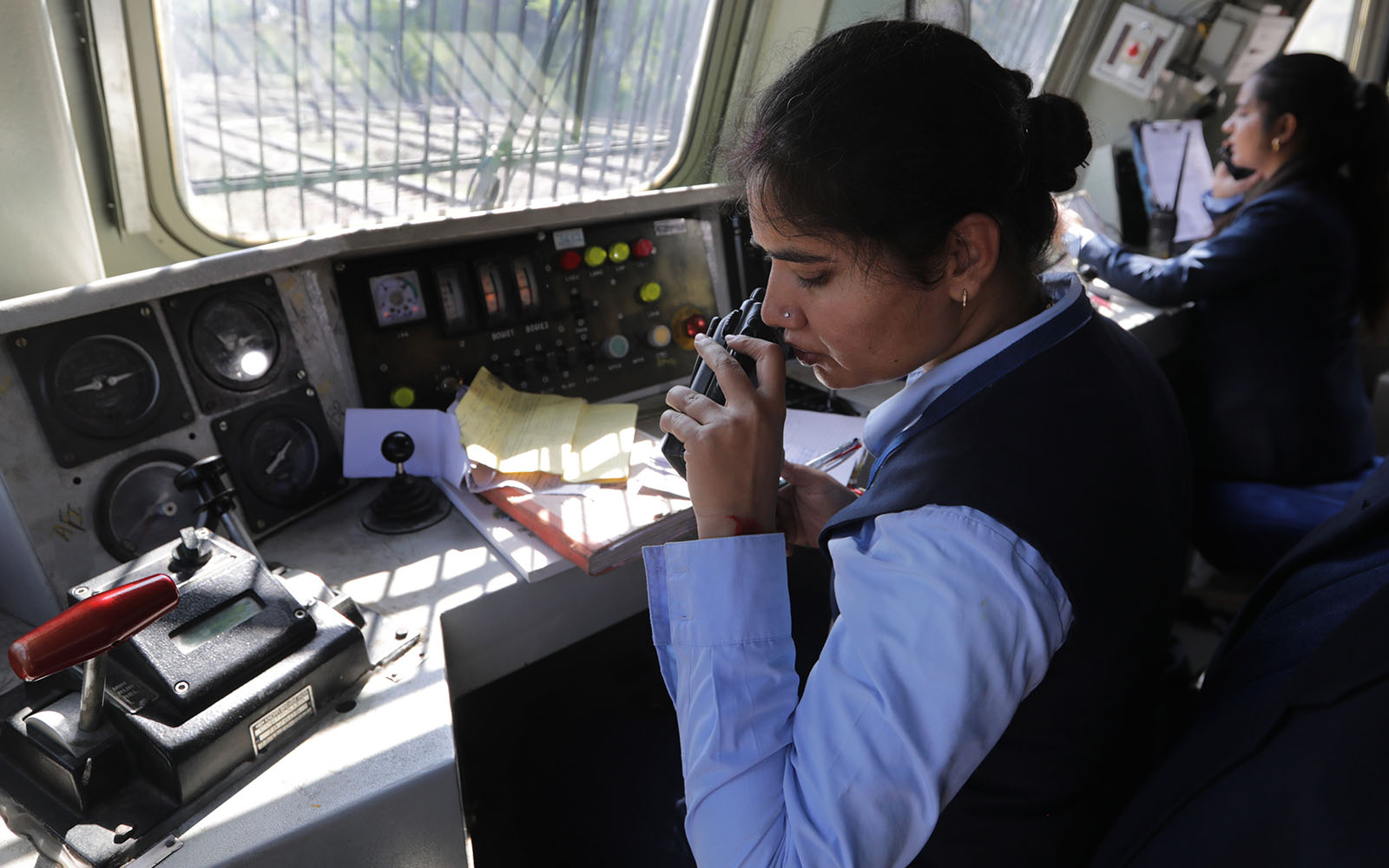
India's female labour force participation rate (LFPR) is currently at 35%, which lags significantly behind countries like Bangladesh (42%) and the Philippines (50%). Over the past few years, this rate has improved from 21% in 2017-18, but the increase is predominantly due to women working in agriculture and subsistence sectors. Achieving parity in female LFPR with developed nations is essential not only for gender equality but also for unlocking a significant growth dividend for India.
Estimates suggest that India could add between US$700 billion and US$1.4 trillion to its GDP if it could close this gender gap.
Various studies have highlighted the role of supply-side constraints, particularly societal norms, such as the unequal distribution of unpaid care work, mobility restrictions, limited education opportunities, weak legal protections, and practices like child marriage. Research confirms these factors. Indian women spend about 22% of their day on unpaid care work compared to just 6.4% for men.
Consequently, policy responses have mainly focused on increasing women's participation in existing jobs. However, despite improvements in education and child marriage rates, women's share of the nonfarm labour force has remained stagnant.
A crucial factor behind India's low female LFPR is the country's weak labour demand. India's labour intensity—the ratio of labour employed relative to the output produced—is far lower than that of its peers. For instance, countries like Bangladesh, the Philippines, and Vietnam employ between 40-50 workers to produce US$1 million of GDP, while India employs only 35 workers.
If India's labour intensity matched that of Bangladesh's, its female LFPR could approach 50%. Additionally, high unemployment among young graduates—around 40% for those aged 15-25—indicates that there isn't sufficient demand for labour to justify their employment.
The rise of labour-intensive sectors can greatly affect female LFPR. In Bangladesh, the rapid expansion of the ready-made garment (RMG) industry in recent decades created millions of jobs for women, contributing to a female LFPR of over 60% in the sector. Similar growth could transform India's labour market, but the country's labour-intensive industries currently account for only 16% of GDP, compared to 20-26% in peer economies.
This underscores a need for reforms to boost labour demand, including more flexible labour regulations, promotion of labour-intensive industries, and increased public investment in health and education. Such measures could generate a virtuous cycle, increasing female LFPR, improving workforce productivity, and driving overall economic growth.
Written by urgent.news from Free Malaysia Today's reporting — not their text. Machine-written — may contain errors; check the original before relying on it.
This story
This is one outlet's version. Read the fullest account.
- Why do so few women work in India? freemalaysiatoday.com