What is driving Singapore inflation?
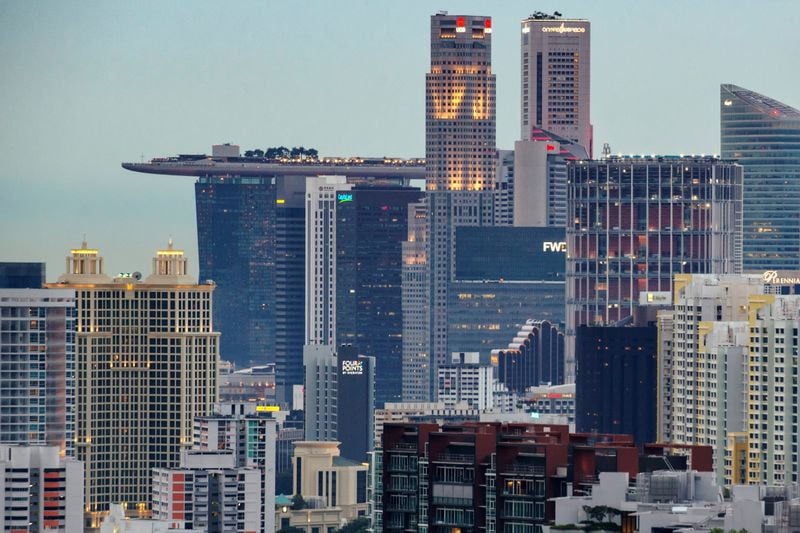
Singapore's inflation rate climbed in August as surging energy costs contributed to higher prices for transport and services, according to ING analysts. The country's headline consumer price inflation rose to 2.3% year-on-year, up from 2.2% in July, while core inflation increased to 2.2% from 2.0%. Prices rose 0.6% month-on-month, indicating growing price pressures.
Energy costs played a significant role in the inflation surge, with electricity prices up 9% and gas prices increasing 6% compared to a year earlier. Elevated oil costs spread to various goods and services. Transport-related services experienced notable price hikes, with airfares surging 13% year-on-year. Food inflation stood at 3%, but data suggested El Niño did not cause a substantial food-price shock.
Increases in cereals and vegetable oils remained modest, except for vegetables, which rose by 4.2% year-on-year after being near zero at the start of 2026. Healthcare inflation also remained relatively strong at 3.3%. Inflation risks are expected to remain elevated in the months ahead due to uncertainties surrounding the U.S.-Iran conflict, which could keep global energy prices high and push domestic prices up.
Additionally, a severe El Niño could further increase food costs, given Singapore's heavy reliance on food imports. Strong investment in artificial intelligence and data centre activity in the country could sustain domestic demand, putting pressure on service prices. The Monetary Authority of Singapore slightly adjusted the slope of its SGD NEER policy band in July, signaling growing concerns over inflation.
If inflation continues to accelerate, the October policy meeting may see another moderate tightening move.
Written by urgent.news from Investing.com's reporting — not their text. Machine-written — may contain errors; check the original before relying on it.