Victoria considers 'emergency extractions' of wildlife as bird flu spreads
With the spread of H5 bird flu around Australia, Victoria is looking for ways to protect threatened species.
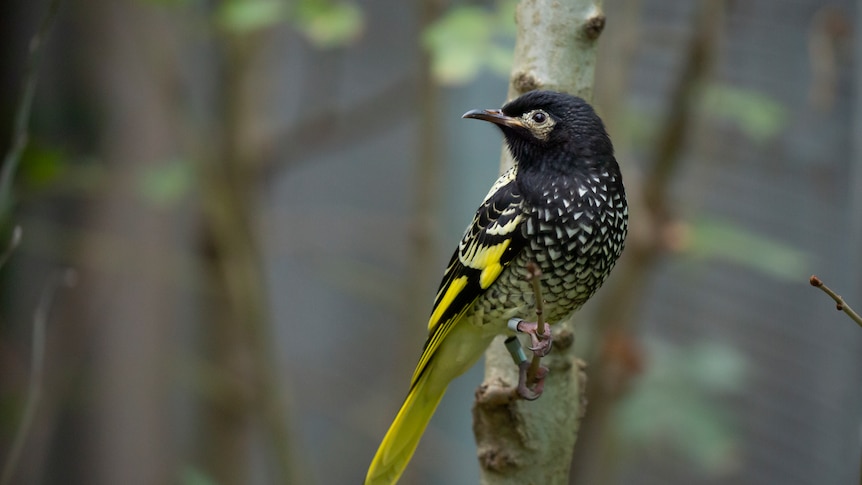
The Victorian government is contemplating emergency removals of endangered bird species from their natural habitats as H5 avian influenza continues to spread. The breeding season has begun in Victorian wetlands this spring, raising the risk of bird flu circulating among these birds. Nearly 100 bird species are at risk of the H5N1 virus, among them black swans and brolgas.
Northern Victoria hosts thousands of wetlands, both public and private, teeming with birdlife during spring. With the breeding season comes the threat of H5N1, which is now circulating among the wild bird population. In response, the Victorian government is considering emergency extractions of threatened bird species from the wild to protect them.
James Todd, the chief biodiversity officer at the Department of Energy, Environment and Climate Action (DEECA), expressed concern that the already small populations of these species could dwindle. Zoos Victoria and other wildlife facilities already house populations of threatened species in captivity, such as the orange-bellied parrot, plains wanderer, regent honeyeater, and helmeted honeyeater.
Although there have been no reported cases of species extinction worldwide due to H5N1, Todd cautioned that translating overseas experiences to Australia and Victoria is challenging due to the unique local fauna. The brolga population in Victoria is estimated at around 1,000, mostly found in the south-west of the state, with only 50 in northern Victoria and southern New South Wales, making them a rare sight.
The low numbers of brolgas are attributed to habitat loss and predation by introduced species like foxes. Adrian Weston, a farmer and former director of the Goulburn Broken Catchment Management Authority, has witnessed the impact of habitat loss on wetlands. He expressed hope that more farmers would incorporate ecological outcomes into their farming practices.
Weston observed brolgas nesting in his wetland and saw a chick hatch this year. He and other volunteers from the Rushworth Field and Game group check for hen activity and hunt foxes to control their population around the wetlands. Weston expressed concern about the potential impact of H5 avian influenza on wetland birds, stating that there is a lot at stake, and it remains to be seen what will happen.
Written by urgent.news from ABC News AU's reporting — not their text. Machine-written — may contain errors; check the original before relying on it.