Uttam Kumar at 100: How a matinee idol became a cultural emblem of Bengal
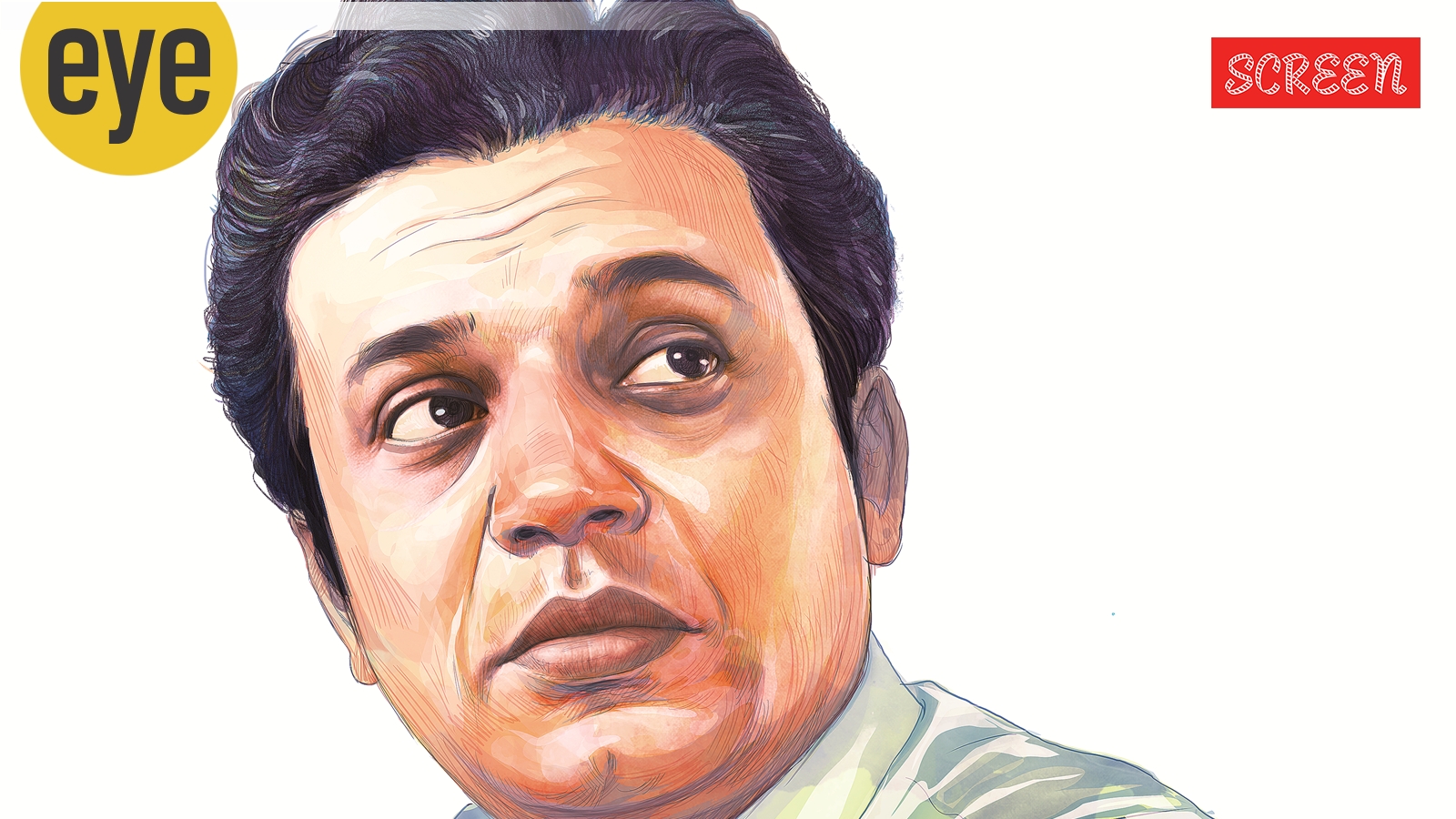
The centenary celebrations of iconic Bengali actor Uttam Kumar in Kolkata felt like a carnival. Film screenings, panel discussions, and exhibitions were held, but Nandan, the film complex of the West Bengal government, also featured a booth where visitors could declare their love for Uttam Kumar and earn a badge. Couples dressed as the star and his heroines participated in Mahanayak-Mahanayika contests.
Even a current leading actress wore an Uttam Kumar print sari. A man dressed as a living statue of Uttam Kumar, despite not resembling the hero, attracted selfie-seekers. Director Srijit Mukherji remarked that Uttam Kumar had moved beyond being a matinee idol and romantic hero to become a cultural emblem of Bengal. Film studies scholar Sanjoy Mukhopadhyay suggested that history contributed to Uttam Kumar's creation.
In 1952, Uttam Kumar starred in Basu Paribar, marking the first time a commoner had been portrayed in Bangla cinema as someone who could solve problems. His humble background and success resonated deeply with a generation seeking a hero. Uttam Kumar's warm smile and ability to cede the spotlight to others, such as in Satyajit Ray's Nayak, impressed those who worked with him.
His fans marveled at how he could maintain stillness while others sang, rendering the song hypnotic. Now, nearly 50 years after his death, debates persist about Uttam Kumar's lasting impact. Would an older Uttam Kumar have been more open to deglamorizing himself? Could his star power have prevented the decline of Bengali cinema in the 1990s and 2000s? The question remains: would Bengali films have been the same without Uttam Kumar?
Written by urgent.news from The Indian Express's reporting — not their text. Machine-written — may contain errors; check the original before relying on it.