Through the Lens: Nepal, one month after the floods
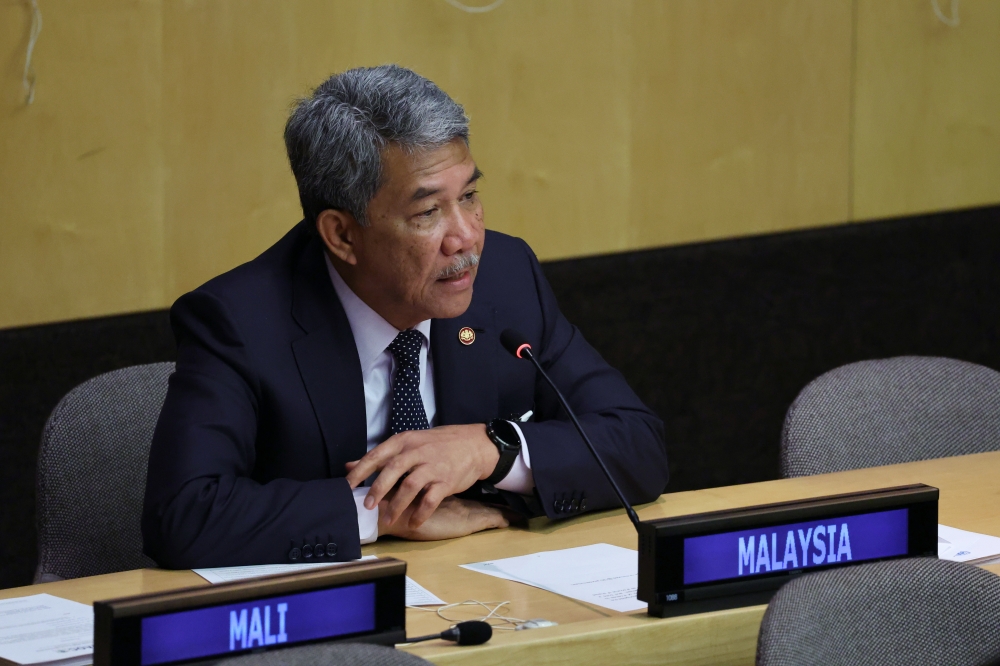
Nepal's foreign minister, Shisir Khanal, has called on wealthy nations to shoulder their fair share of the responsibility for helping the least responsible countries when it comes to the climate crisis, despite the fact that they are bearing the brunt of its consequences. The disaster struck Nepal last month, when a tsunami-like flood triggered by a glacial mountain collapse along the Nepal-China border resulted in over 1,400 deaths and thousands more still missing. The economic damage caused by the disaster is estimated to be in the billions of dollars.
Khanal's message to the world is that climate change is no longer just a theoretical issue, but a real and present danger. The frequency of such disasters is expected to increase as temperatures rise and glaciers continue to melt. Scientists from the World Weather Attribution have classified the event as a "compound crisis", with local geological instability combined with long-term warming leading to glacier retreat and permafrost thaw.
Nepal, which has contributed negligibly to global greenhouse gas emissions, has emphasized that it should not bear the burden of the crisis alone. The country gets over 90% of its electricity from hydropower and over 70% of new cars sold are electric, yet it contributes just 0.1% of global greenhouse gases. Given its minimal contribution to the climate crisis, Khanal argues, Nepal should not have to bear the financial consequences of its impact.
During his recent meetings in New York, Khanal's efforts have been met with some progress. The United States has pledged US$31 million in new flood recovery support, and the G7 have informally pledged support at a recent meeting. Britain has also pledged assistance. However, the scale of the challenges remains immense, with preliminary estimates putting the cost of the disaster at US$5 billion. Nepal has requested US$20 million from the UN's Loss and Damage fund, but this is still a mere fraction of what is needed.
The Loss and Damage fund, established in 2022 following catastrophic floods in Pakistan, remains underfunded and has yet to disburse its first payment. Climate justice advocates argue that Nepal represents a crucial test of the fund's credibility. Nonetheless, Khanal has expressed optimism after receiving financial assistance and rescue teams from Nepal's neighbors, as well as direct contributions from the Nepalese diaspora.
Written by urgent.news from Malay Mail's reporting — not their text. Machine-written — may contain errors; check the original before relying on it.
This story
This is one outlet's version. Read the fullest account.
- A month after Nepal floods, thousands are still missing and families face a long recovery winnipegfreepress.com
- Rich nations must pay their share, says Nepal minister as glacial‑collapse floods expose climate risks malaymail.com
- Month after deadly avalanche, Nepal braces for heavy rain, floods again indianexpress.com
- Thousands face long road to recovery month after devastating Nepal floods koreatimes.co.kr
- A month after Nepal flash flood tragedy, thousands still missing; families face a long recovery hindustantimes.com