Right to repair or rip-off right? The battle over who fixes your car
Understanding the right to repair is crucial. Discover why complex vehicles may require professional service to ensure safety.
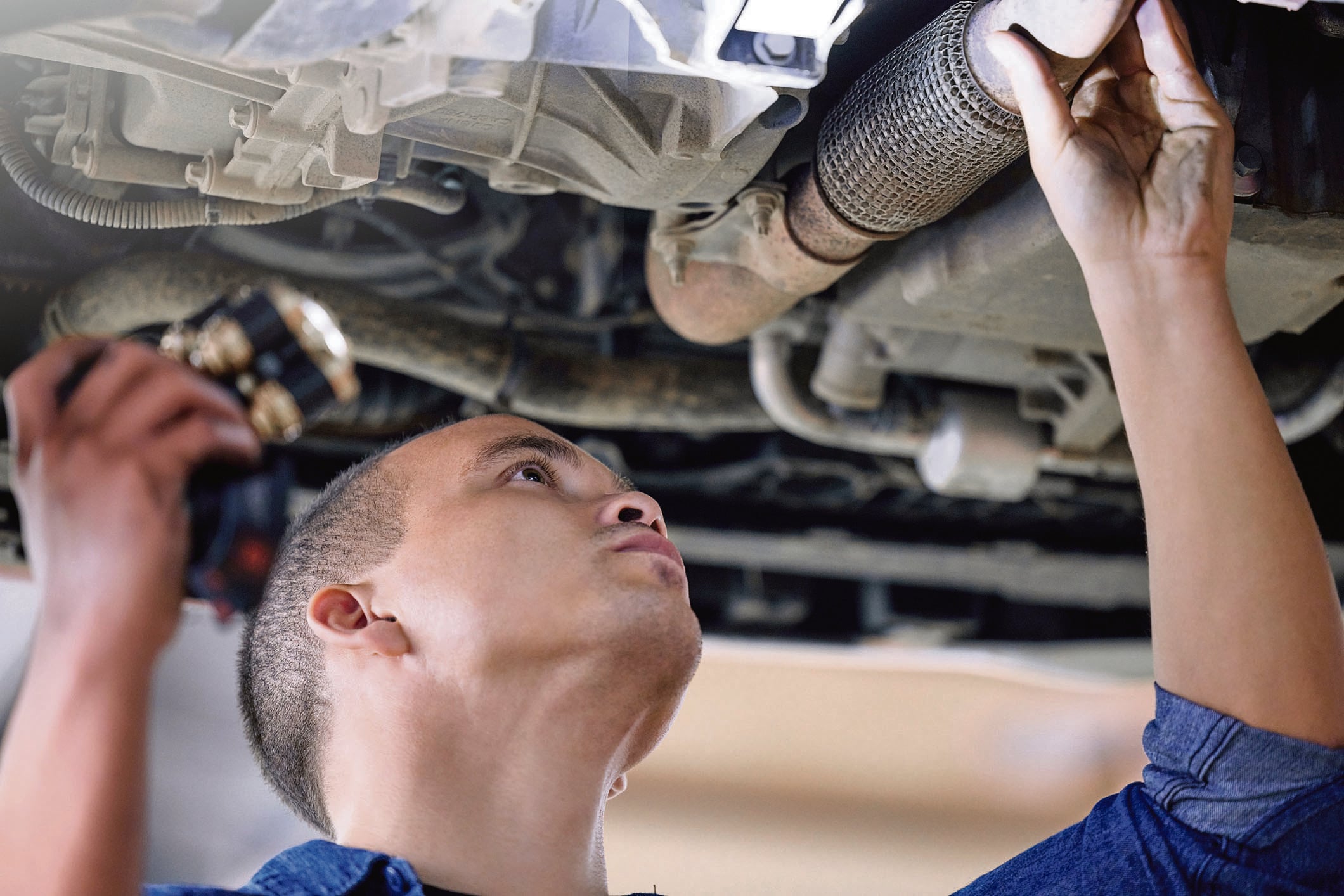
The debate over the right to repair vehicles has been reignited by Ford Global CEO Jim Farley's controversial comments. Farley expressed his belief that only dealerships should perform warranty work on their cars, as he claimed it's too complicated for non-professionals. He specifically noted that even attempting repairs on a new Ford Bronco could pose safety risks.
Farley's remarks underscore the core issue at the heart of the right-to-repair movement – whether vehicle owners should be restricted to using franchised dealers for maintenance and repairs.
South Africa's Competition Commission attempted to address this issue in 2021 by reaching an agreement with carmakers to implement non-binding guidelines. These guidelines would allow consumers to have their vehicles serviced or repaired by approved non-franchise workshops. The appeal of the non-franchise route lies in the lower overhead costs compared to main brand dealers, resulting in reduced labor and parts costs.
However, the presence of these smaller workshops also raises concerns about the quality and safety of the repairs performed.
Automobile Association of South Africa (AA) CEO Bobby Ramagwede firmly supports the right to repair principle, arguing that forcing consumers to rely solely on brand-name technicians is uncompetitive. He emphasizes that, as long as the approved workshops are qualified, there is no safety reason why customers should be limited to using only the manufacturer's service centers. The AA is actively rebuilding its list of approved non-franchise dealerships, building on its reputation to support this cause.
Some industry insiders express concerns that car manufacturers may be moving towards treating vehicles more like services than products. Many new cars require consumers to pay regular subscription fees to ensure continued functionality of certain components, such as heated seats and even radios. Furthermore, modern cars often feature multiple electronic control units (ECUs) that communicate with each other, necessitating more complex repairs than simply replacing a bulb.
In some cases, repairs may involve replacing entire ECU clusters to ensure proper integration and functionality.
The increasing complexity of vehicle repairs has contributed to soaring repair costs and insurance premiums. In some instances, even minor incidents like bumper damage can lead to costly repairs or even total vehicle write-offs due to the expense involved. As manufacturers continue to aim to keep consumers reliant on their service centers, the right to repair remains a contentious issue in the automotive industry.
Written by urgent.news from The Citizen's reporting — not their text. Machine-written — may contain errors; check the original before relying on it.