Malaysia mahu akses patogen, manfaat dikongsi adil dalam perjanjian WHO
Menteri Luar Mohamad Hasan berkata usaha memperkukuh kesiapsiagaan menghadapi pandemik tidak akan lengkap tanpa prinsip kesaksamaan.
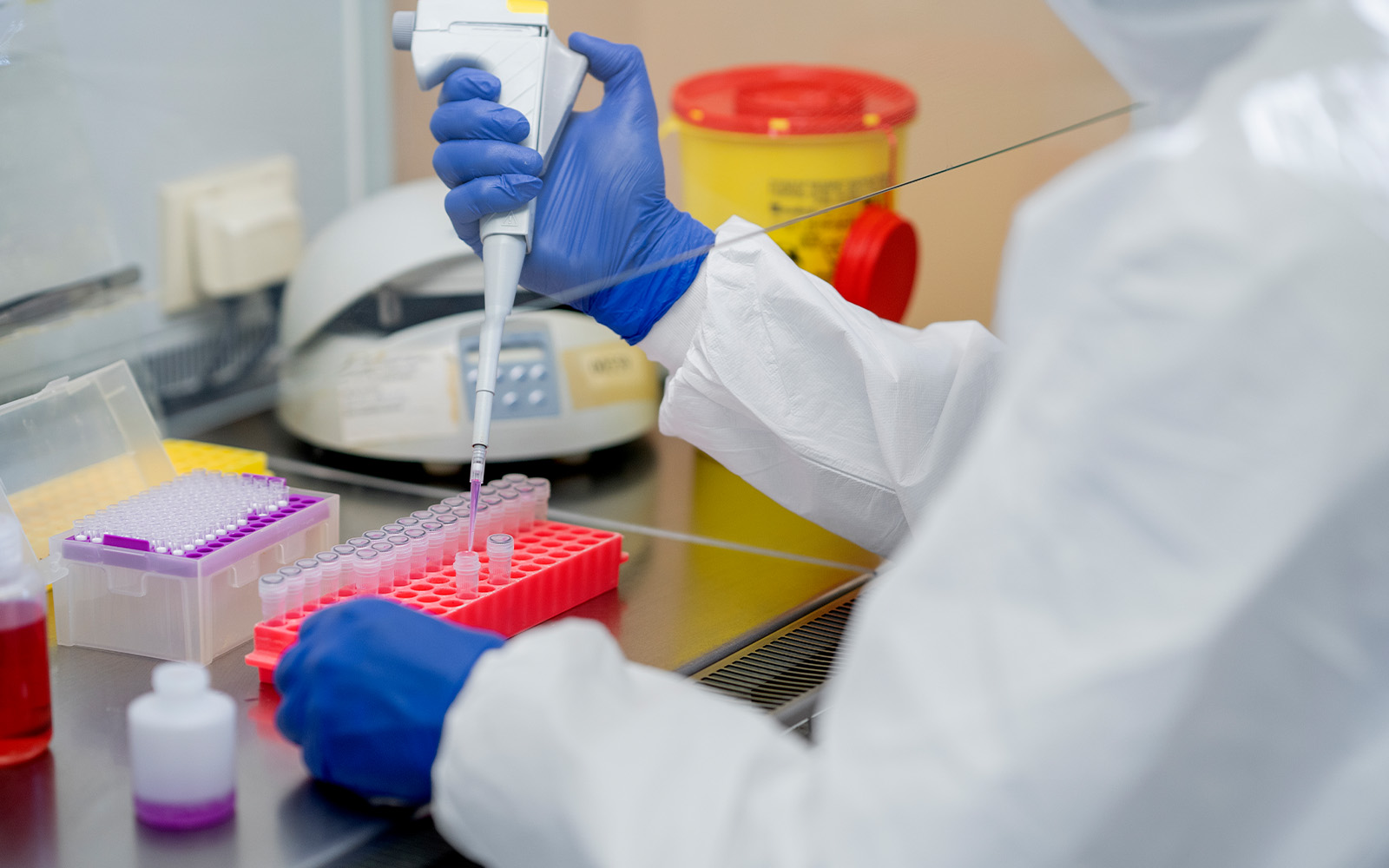
Malaysia has urged the equitable distribution of pathogens and the benefits derived from them within the global framework for pandemic preparedness, as stated by Minister of Foreign Affairs Mohamad Hasan. He emphasized the need to establish a robust and fair Access and Benefit-Sharing (ABS) framework, alongside the essential principles of solidarity, while respecting national laws and state sovereignty.
He also highlighted that preparedness efforts alone are insufficient without fairness, alongside the capacity for research, development, and producing essential health products.
Under the WHO Pandemic Treaty, countries will have to adhere to the treaty by May 2025, but discussions on the ABS appendix are still ongoing. The ABS appendix aims to create a multi-layered system for the sharing of pathogens, ensuring that benefits such as vaccines, diagnostic methods, and treatments are shared fairly. WHO member countries are holding a fresh round of discussions this month, with the results expected to be presented to the World Health Assembly in May 2027, or sooner through a special session in 2026.
Meanwhile, Hasan noted that Malaysia is strengthening its pandemic preparedness through the 2025-2030 National Health Security Action Plan, which includes healthcare system readiness, disease surveillance, laboratory capacity, emergency alert coordination, and workforce integration. He also referred to Malaysia's One Health approach in addressing food, water, and environmental-related microbiological threats.
At the same time, he mentioned that Malaysia is boosting its capacity for vaccine research, development, and production through the National Vaccine Development Plan 2021-2030.
Regarding financing, Hasan emphasized that sufficient, consistent, and responsive international funding for pandemic preparedness is needed, complementing domestic investment, strengthening national capacities, and enhancing global health coverage. "International mechanisms should complement domestic investment, augment national capacities, and broaden universal health coverage," he said.
Hasan stated that the true measure of the conference's success is whether future health threats can be detected earlier, contained more effectively, and addressed with fairer access to resources and treatments that save lives. "Make our solidarity not just a short-term response during a crisis, but a sustained commitment built before the next crisis arises, for every country and every generation."
Written by urgent.news from Free Malaysia Today's reporting — not their text. Machine-written — may contain errors; check the original before relying on it.
This story
This is one outlet's version. Read the fullest account.
- Malaysia komited perangi Islamofobia, kebencian dalam talian freemalaysiatoday.com