Laboratory Will Trace the Remote Past of the Border Between Colombia, Peru and Brazil
Archaeological findings in the Amazon, especially in the triangle of the triple border between Colombia, Peru and Brazil, show evidence of human presence there 13,000 years ago. Now, for the first time, researchers and students from the National University of Colombia (UNAL) Amazonia Campus will be able to analyze archaeological evidence without separating it from […]
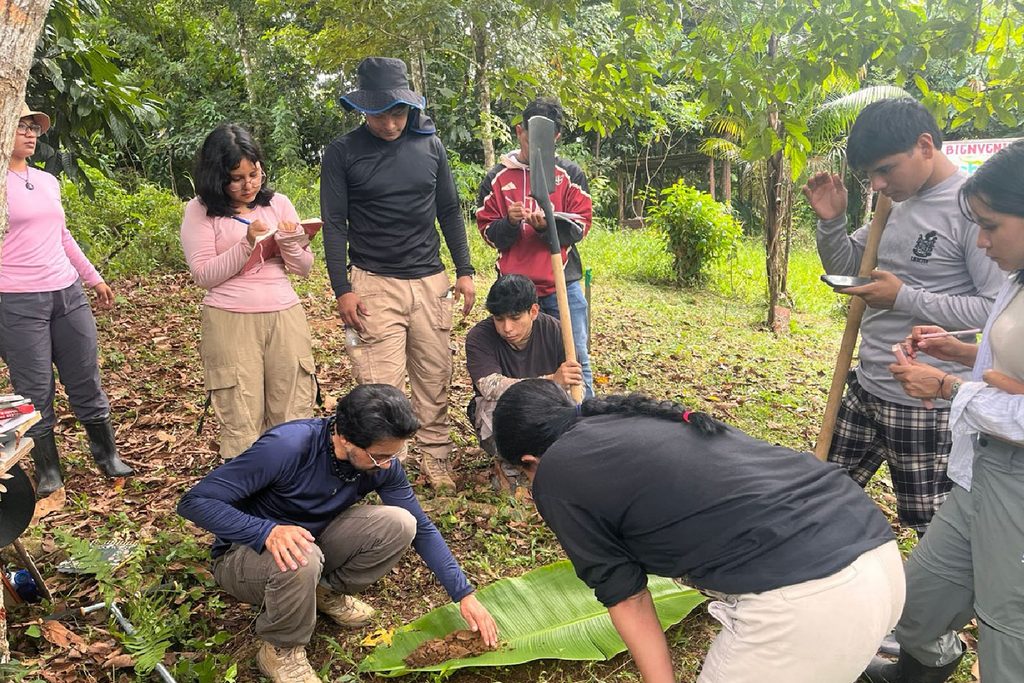
Archaeological findings in the Amazon region, particularly in the tri-border area shared by Colombia, Peru, and Brazil, have revealed evidence of human presence dating back 13,000 years. For the first time, researchers and students from the National University of Colombia (UNAL) Amazonia Campus in Leticia, the capital of the Colombian Amazonas department, will be able to analyze these archaeological materials without having to remove them from the site and the communities that hold knowledge and memories associated with those locations.
The laboratory will be instrumental in advancing research that has previously been reliant on facilities outside the Amazon region. Located in Leticia, it will serve as the focal point for studying the ancient settlement patterns, mobility, and exchanges of human groups within the region. By studying this history from Leticia, researchers will be able to address larger questions that encompass the entire Amazon basin, which includes territories historically and culturally connected between Colombia, Peru, and Brazil, despite the current national boundaries.
The laboratory employs a social archaeology approach, recognizing the significance of indigenous communities. It is not solely focused on academic pursuits but also on supporting local initiatives like preserving memory processes and recognizing sacred sites. This perspective is particularly crucial in the Amazon, as many archaeological sites and artifacts hold deep cultural and spiritual meanings for the local inhabitants.
In addition to its research functions, the laboratory will also play a vital role in training future archaeologists. Anthropology students at the Amazonia Campus will have the opportunity to gain hands-on experience with archaeological work through laboratory and field activities using specialized tools and equipment for analyzing and documenting materials. This connection between academic training and research conducted directly in the Amazonian context is a central aspect of the laboratory's mission.
The project is already gaining momentum, with plans underway for the first archaeological intervention project in collaboration with the nearby community of Mocagua. This initiative is being developed in partnership with Abel Santos, an indigenous leader and professor at UNAL Amazonia Campus, as well as with the Colombian Institute of Anthropology and History (ICANH) for the management of reference pieces.
Efforts are also being made to establish collaboration networks with institutions from other countries, with the goal of forming a comprehensive research center in Leticia that connects archaeological materials, academic training, local communities, and scientific inquiries about the Amazonian past.
Written by urgent.news from Colombia One's reporting — not their text. Machine-written — may contain errors; check the original before relying on it.