Indonesia’s wildfires threaten critically endangered orangutans, says IUCN
Fires are burning habitats containing 52% of Borneo's orangutan population, including 13 of the 20 largest populations, according to the International Union for Conservation of Nature.
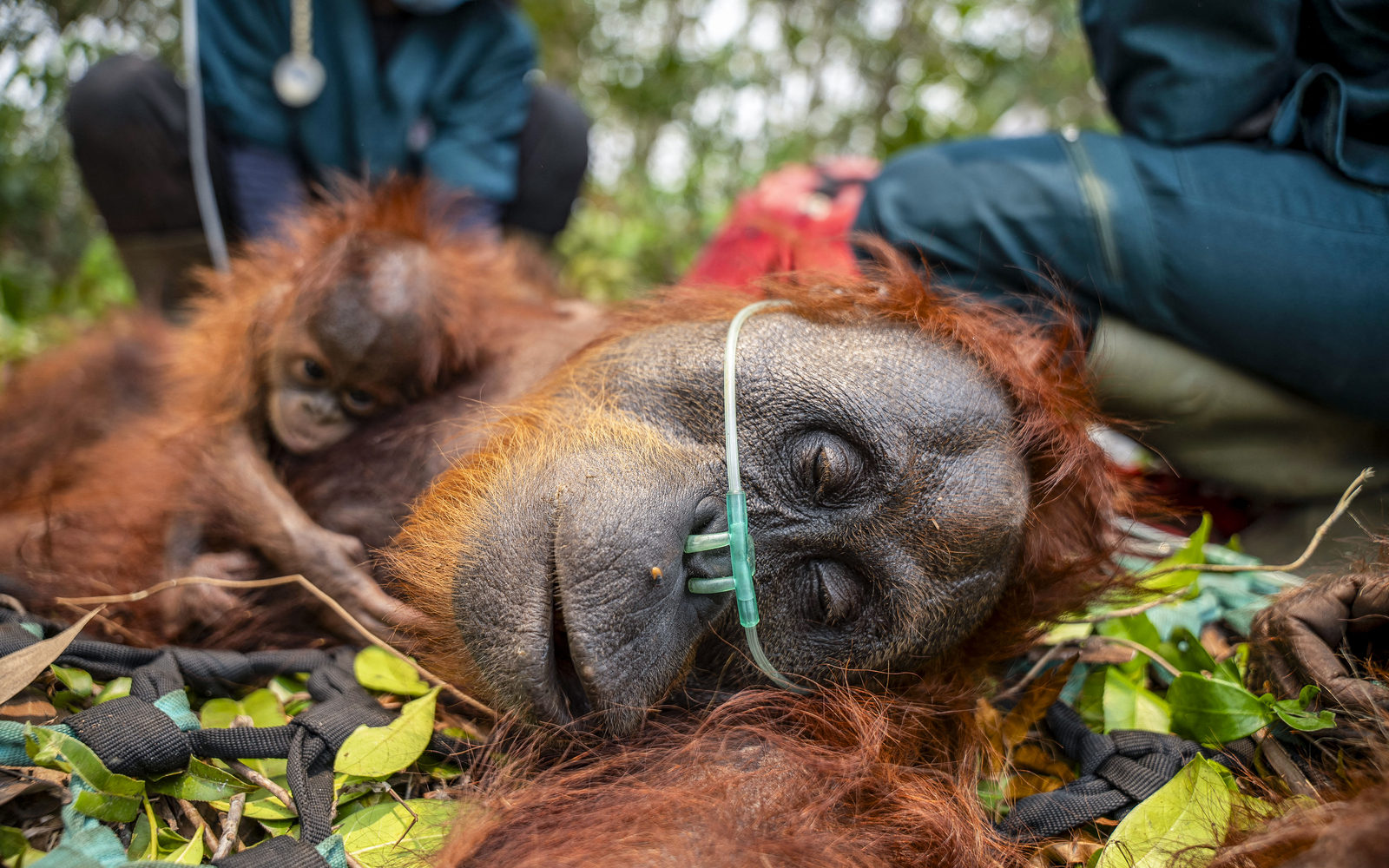
Indonesia's relentless wildfires have put the critically endangered Bornean orangutans at grave risk, according to the International Union for Conservation of Nature (IUCN). The fires, which have ravaged Indonesian Borneo's extensive tropical forests, are pushing immense pressure on these primates, IUCN revealed on Saturday. The fires are currently consuming habitats that house 52% of Borneo's orangutan population, including 13 of the 20 largest remaining groups.
Fires and smoke exposure have led to measurable physiological, behavioural, and ecological costs for orangutans in peat forest habitats, the conservation network highlighted. Despite increased eating and resting, orangutans show signs of fat breakdown, indicating heightened energy demands arising from an overworked immune system. Moreover, the fires have also impacted five gibbon species across Sumatra and Borneo, who share the same smoke-laden air with humans and are likely to suffer similar respiratory harm.
As of Tuesday, Indonesia had managed to rescue 100 animals, with 53 of them being orangutans, that were endangered by the blazes, a forestry ministry spokesman reported. Conservationists are urging authorities to move beyond immediate response and to put in place long-term prevention measures. These include protecting and rewetting peatlands, addressing drainage and deforestation, and ensuring that burned forests are safeguarded from further conversion and appropriately restored, Ronna Saab of Forum Konservasi Orangutan Indonesia (FORINA) emphasized.
The Indonesian government has confirmed that more than 202,000 hectares of land were burnt nationally between January and July, while the Nusantara Atlas project suggests the figure could be closer to 900,000 hectares between January and August.
Written by urgent.news from Free Malaysia Today's reporting — not their text. Machine-written — may contain errors; check the original before relying on it.
This story
This is one outlet's version. Read the fullest account.
- Indonesia’s wildfires threaten critically endangered orangutans, says IUCN freemalaysiatoday.com