Iran offers deal to US to reopen Strait of Hormuz
Iran's proposal would reopen the Strait of Hormuz within a week, according to its Foreign Minister Abbas Araghchi, but Donald Trump has reportedly already rejected the deal.
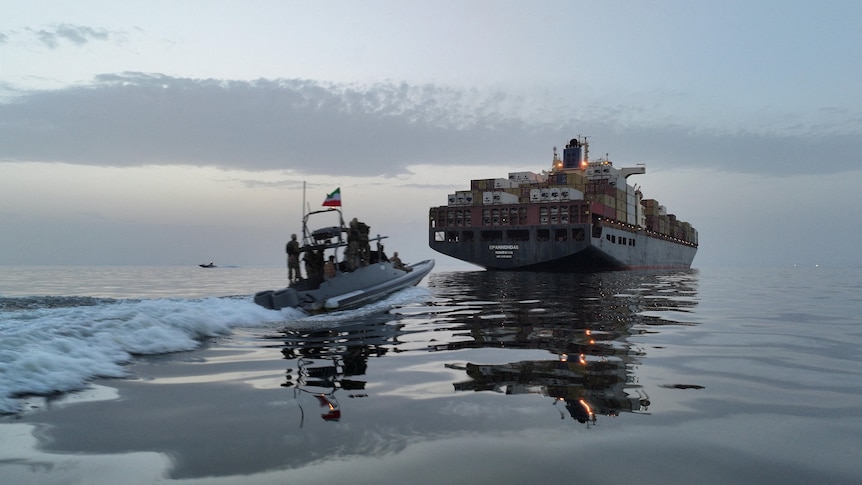
Iran's Foreign Minister, Abbas Araghchi, claims his country has presented the United States with a proposal to reopen the Strait of Hormuz within a week. However, US President Donald Trump has reportedly dismissed this offer, renaming the waterway the Trump Strait on his social media platform. Iran seeks to sign a memorandum of understanding (MOU) by June to serve as a foundation for future peace agreements with the US and Israel.
The Iranian diplomat stated that the plan was relayed to the US through Qatar and outlined key elements of the proposed deal. If the necessary conditions are met, Iran could reinstate the Strait of Hormuz within a week, according to Araghchi. The choice now lies solely with the United States, he added. However, within hours of Araghchi's announcement, The Wall Street Journal reported that Trump had rejected the proposal, citing US officials familiar with the matter.
Trump expressed skepticism about Tehran's willingness to meet his demands, predicting a renewed bombing campaign. Iran's Revolutionary Guard spokesman, Hossein Mohebi, vowed to target the US until Iran's seven conditions are fulfilled. Iran's plan involves a seven-day halt in hostilities across the Middle East, including Lebanon, following the signing of the MOU.
The document calls for the release of $12 billion worth of frozen Iranian assets, lifting of sanctions on Iranian oil, and an end to the US naval blockade of Iran. On the seventh day of the ceasefire, Iran would reopen the Strait of Hormuz. Iranian President Masoud Pezeshkian emphasized that the process would commence immediately upon acceptance of the proposal.
He stated, "We had previously reached an agreement based on the MOU that was signed in Pakistan." If the US agrees to proceed as planned, Iran claims everything will return to the pre-conflict state. Following the June agreement, tensions escalated when Iran fired upon commercial ships in the Hormuz Strait, accusing them of deviating from the designated route.
Iran insisted on obtaining authorization for passage, citing security and sovereignty concerns. Ships that declined to comply were regularly targeted, while the US occasionally bombed Iranian coastal regions in response.
Written by urgent.news from ABC News AU's reporting — not their text. Machine-written — may contain errors; check the original before relying on it.
This story
This is one outlet's version. Read the fullest account.
- Where things stand after Iran’s new pitch for a deal to open the Strait of Hormuz winnipegfreepress.com
- Iraq loses $60 billion to Iran war as Hormuz squeeze hits oil exports timesofindia.indiatimes.com