Indoor gardening improves mental health and quality of life for cancer patients
Tending to indoor hydroponic gardens may help cancer patients improve their mental health and quality of life. A recent study found that growing salad greens at home eased depression symptoms and encouraged healthier eating habits among patients.
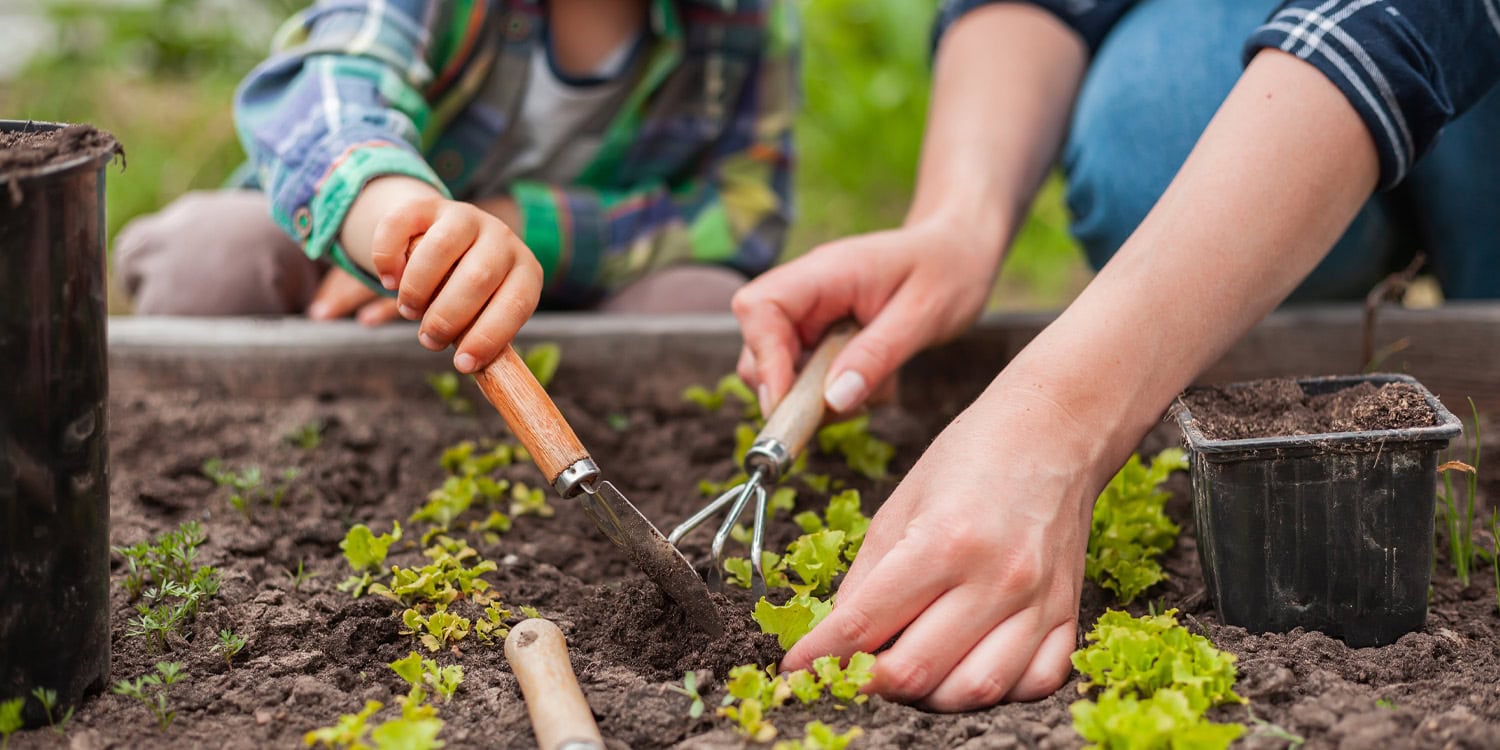
Indoor gardening can positively impact the mental health and overall quality of life for cancer patients, according to a recent study. The research, published in Frontiers in Public Health, showed that patients who tended to countertop hydroponic gardens experienced improved mental health and increased overall quality of life. Cancer often brings severe physical and emotional challenges, and poor mental health can negatively affect recovery and increase the risk of cancer recurrence.
In an effort to address these challenges, medical professionals sometimes recommend non-clinical activities like gardening to support patient wellbeing. Traditional outdoor gardening provides psychological relief, lowers stress, encourages healthier eating, and offers moderate physical activity. However, outdoor gardening is not accessible to everyone, particularly those living in urban areas or undergoing medical treatments.
To create an indoor solution, researchers led by Taehyun Roh, a public health researcher at Texas A&M University, sought to test the use of hydroponic gardening indoors. Hydroponics is a method of growing plants in water rather than soil, using liquid nutrients and artificial light. The study recruited thirty-six adult cancer patients receiving outpatient infusion therapy at a specialized cancer center in Houston, with an average age of fifty-seven.
Each participant received a countertop hydroponic system called an AeroGarden, which included all necessary components for growing heirloom salad greens. Over an eight-week period, the patients independently managed the kits, planting seeds, monitoring water levels, and harvesting the greens. The researchers assessed the participants at the beginning, four weeks into the study, and at the end using standardized questionnaires to measure changes in mental wellbeing, psychological distress, overall quality of life, pain levels, and fruit and vegetable consumption.
The results showed steady improvements in mental health, with a decline in depression symptoms and enhanced daily quality of life. Patients also reported eating more fruits and dark green leafy vegetables. While overall pain management scores showed a slight downward trend, these changes were not statistically significant. The researchers suggest that nurturing plants can foster a sense of responsibility and achievement, support cognitive restoration, and provide natural stress relief.
However, due to the single-arm design of the study, it is difficult to rule out self-selection bias.
Written by urgent.news from PsyPost's reporting — not their text. Machine-written — may contain errors; check the original before relying on it.