A Mars crater wasnt just a lake. That could change the hunt for life.
NASA's Perseverance finds Mars' Jezero Crater rocks were soaked by groundwater, a lake, and hot water, boosting the hunt for life.
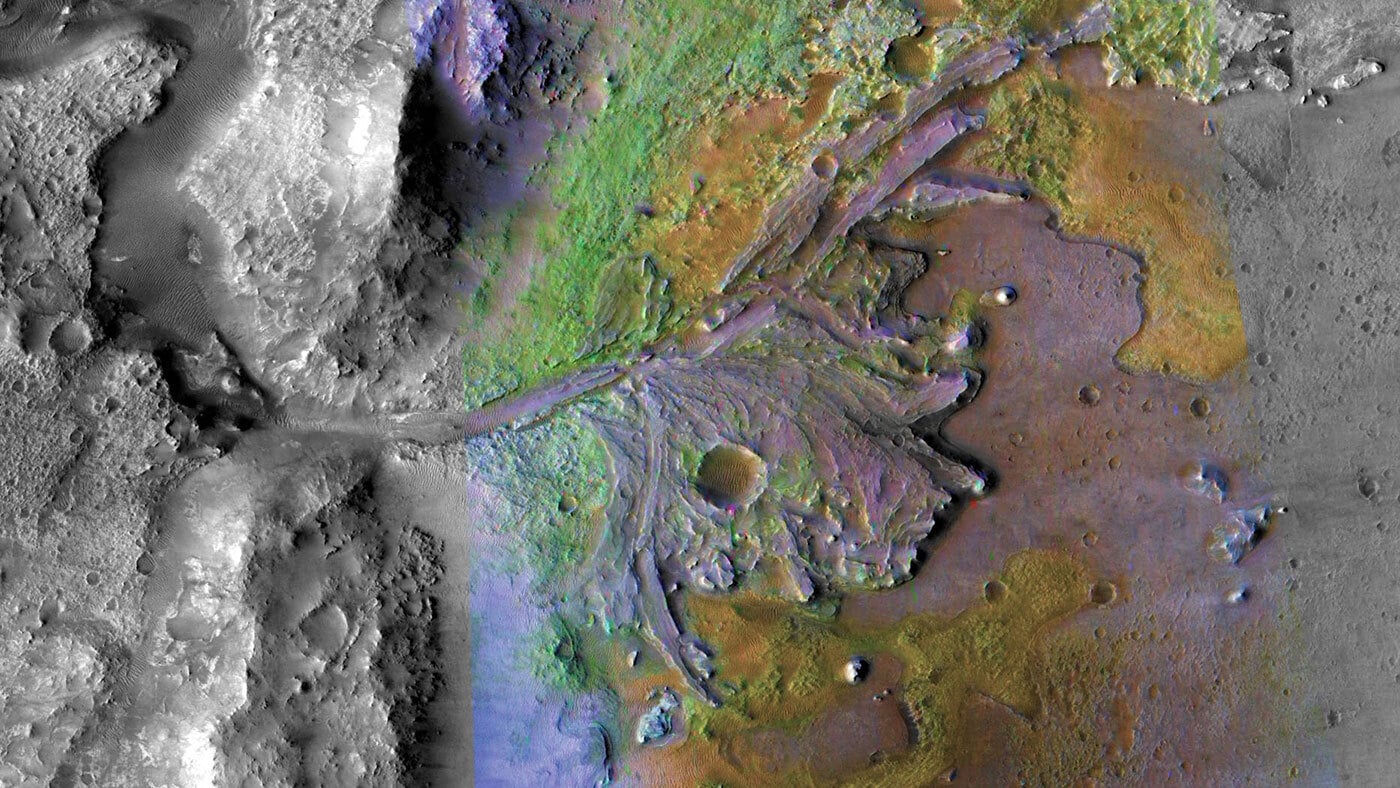
An ancient Martian crater, once thought to be a shoreline, now reveals a far more complex water history. NASA's Perseverance rover has been exploring Jezero crater, a 28-mile-wide basin on Mars where rivers once fed a lake. Instead of sedimentary rocks typical of a lakeshore, the rover discovered igneous rocks, indicating volcanic origins rather than lake formation. This surprising finding suggests water had multiple ways of interacting with the rocks over time.
Though the rover data didn't uncover definitive evidence of life, it did provide valuable insights into Mars' ancient climate. The rocks contained abundant carbonates, minerals known to preserve traces of past microbes on Earth. Jezero Crater, located within one of the largest carbonate exposures on Mars, offers a unique opportunity to study these ancient environmental conditions.
The biggest surprise came from understanding the sequence of events that shaped this land. Initially, the area formed when magma deep underground cooled, creating volcanic rocks. Later, erosion exposed these rocks, allowing water-rich carbon dioxide groundwater to seep into their cracks. This interaction led to the formation of carbonate minerals within the rock cracks.
Subsequent weathering removed the surrounding rock, leaving behind the carbonate-rich fillers. Further water activity later transformed the olivine into carbonate, leaving behind traces of silica.
This layered history of volcanic activity, groundwater interaction, and subsequent water movement provides a richer understanding of ancient Mars, demonstrating that water found innovative ways to shape the landscape. While the study didn't find direct evidence of life, the presence of carbonates holds promise for future discoveries.
Written by urgent.news from Mashable's reporting — not their text. Machine-written — may contain errors; check the original before relying on it.