How social media remade the luxury watch market
A new generation of younger collectors are discovering vintage Cartiers, Pateks, and Vacherons online.
In 1900, a Brazilian aviator and a French jeweler met at Maxim’s, a Parisian club for the elite. The conversation turned to the practicality of telling time on a pocket watch while piloting an airship. Louis Cartier, the jeweler, proposed a solution: a wristwatch. In 1911, Cartier debuted the Santos, a delicate, square-faced watch that could be worn on the wrist instead of in a pocket.
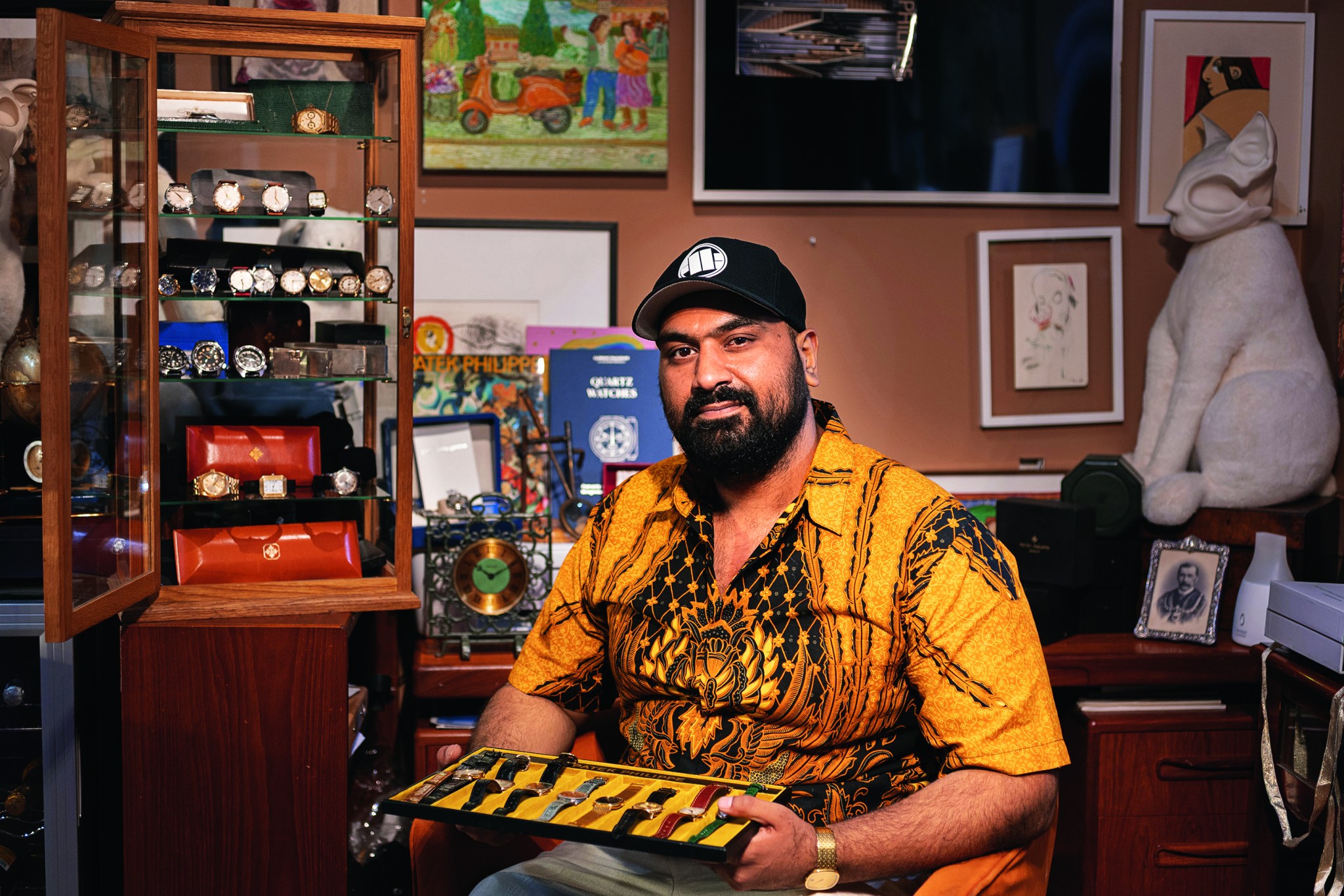
Today, Cartier produces various versions, ranging from subtle to extravagant, with some fetching high prices at auctions. Tom Collins, owner of the Wrist Watcher Ltd., a vintage watch dealer, is a fan of Cartier and often showcases rare watches on his Instagram account. Collins acquired a two-tone Santos Carrée model in 1978, a significant design and mechanical innovation for Cartier.
The Carrée's chunky, sporty silhouette, squared face, exposed screws, and stainless steel and 18-karat gold bracelet showcase Cartier's ability to blend classic style with modern functionality. Collins believes that social media has become a crucial platform for luxury watch brands to reach younger audiences and build communities.
He explains that luxury watch brands have traditionally ignored e-commerce, allowing secondary markets to thrive. However, social media has changed the landscape, making it easier for consumers to discover and purchase luxury watches.
Written by urgent.news from Fortune's reporting — not their text. Machine-written — may contain errors; check the original before relying on it.