How Hong Kong firms are future-proofing business in challenging times
Hong Kong’s economic transformation is at a critical juncture, and the private sector must adapt along with it, as Chief Executive John Lee Ka-chiu has noted. In the first of a two-part series, Ambrose Li and Wynna Wong examine the forces driving change among established enterprises. Before visiting a vendor in mainland China’s Jiangsu province, a salesman from Hong Kong bottling giant Swire…
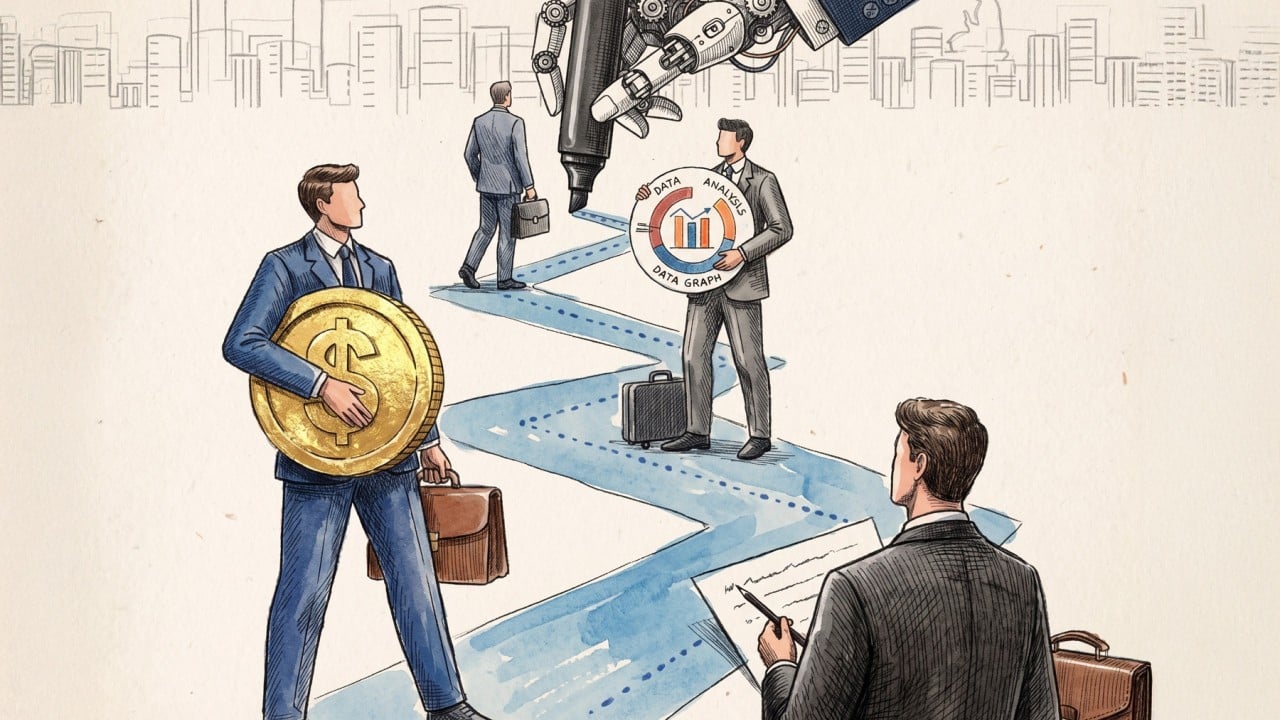
Hong Kong's economic transformation is at a critical juncture, with the private sector needing to adapt to the changing environment, according to Chief Executive John Lee Ka-chiu. Businesses across various sectors are implementing cutting-edge technologies to future-proof their operations. For instance, Swire Coca-Cola, a Hong Kong bottling giant, utilizes AI-powered robots and mobile technology to optimize their supply chain and adapt to changing market demands.
The company has also faced rising raw material costs, including aluminium and sugar, which have posed challenges to their operations. Despite these challenges, Hong Kong's economy has shown resilience, with merchandise exports hitting record highs due to overseas demand for AI-related products. However, the city's retail and food and catering sectors continue to struggle, with a decline in shop values and a high vacancy rate.
Inflation has also been on the rise, driven by geopolitical tensions and shifting consumer habits. While high-value sectors such as professional services and finance continue to thrive, consumer-facing businesses face structural shifts and must rely heavily on international trade and foreign clients. Companies in Hong Kong face three main challenges: high operating costs, disruption to global supply chains, and geopolitical risks.
To address these issues, businesses are increasingly adopting AI and other technologies, although many struggle with integrating these innovations into their existing systems and workforce. Despite these obstacles, Hong Kong's business community appears to be relatively well-positioned in terms of AI adoption, according to a survey by Hong Kong University of Science and Technology.
Written by urgent.news from South China Morning Post - Hong Kong's reporting — not their text. Machine-written — may contain errors; check the original before relying on it.