China’s biotech firms move up value chain as drug deals evolve beyond licensing: analysts
Chinese biotech deal making is moving beyond the licensing of individual drug candidates, as the country transforms from a follower to a global innovation leader, according to analysts. The latest transaction underscores that shift. Beijing-based cancer drug developer InnoCare Pharma said on Thursday that it had entered into a strategic research collaboration and licensing agreement with US…
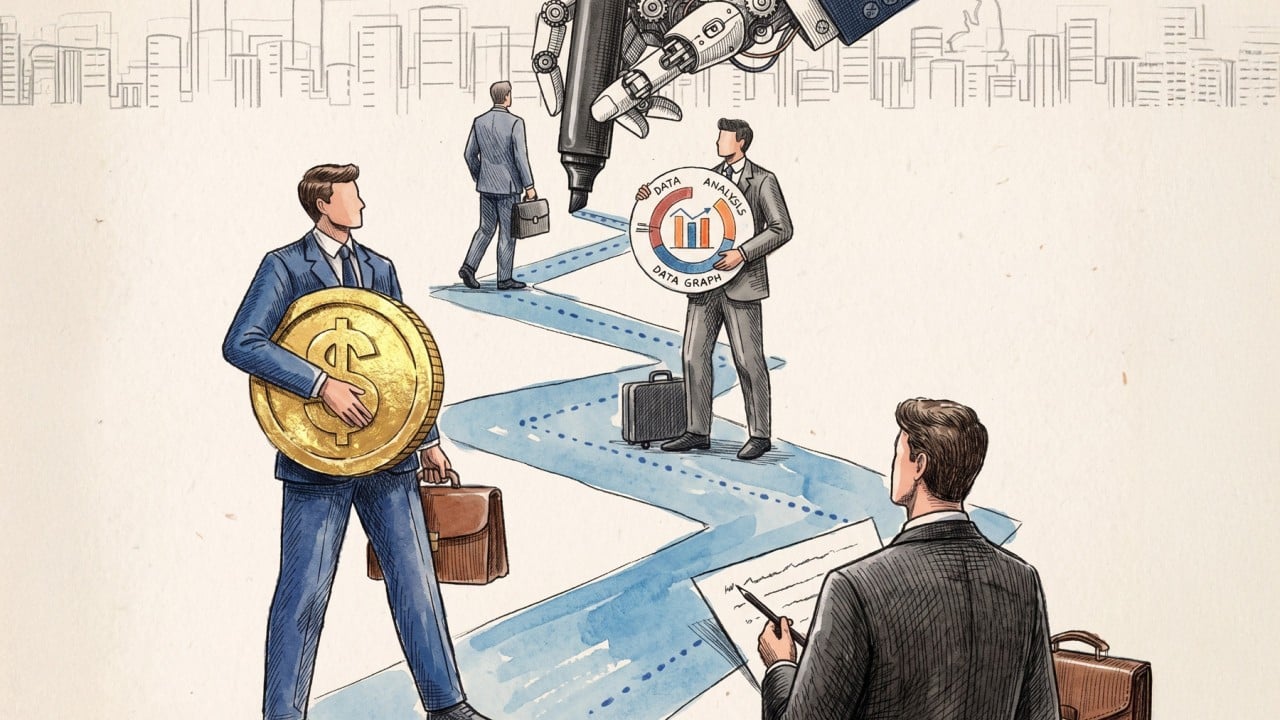
Chinese biotech firms are advancing their value chain by moving away from mere drug licensing deals, as they transition from being followers to global innovators, according to analysts. This shift is exemplified by a recent strategic collaboration between Beijing-based cancer drug developer InnoCare Pharma and US pharmaceutical giant Eli Lilly, which could be worth up to US$3.35 billion.
InnoCare will employ its drug discovery platform to target up to five unmet medical needs, with the partnership's specifics remaining undisclosed. Analysts assert that China's biotech sector is transitioning from rapid replication to differentiated innovation, with more significant global drug-development partnerships expected. Historically, Chinese biotech companies relied on out-licensing to fund their pipelines, but they are now increasingly pursuing co-development arrangements and broader platform partnerships.
The InnoCare deal involves a US$100 million upfront payment from Eli Lilly, with potential milestone payments of up to US$3.25 billion and single-digit tiered royalties based on annual net product sales. This transaction reflects the increasing quantity and quality of China's innovative drug research, as evidenced by recent collaborations, including Jiangsu Hengrui Pharmaceutical's agreement with Bristol Myers Squibb worth up to US$15.2 billion.
Chinese research is expected to play a growing role in major oncology conferences, with 29 of the 96 late-breaking abstracts at the upcoming Esmo Congress in Madrid in October originating from China.
Written by urgent.news from South China Morning Post's reporting — not their text. Machine-written — may contain errors; check the original before relying on it.
This story
This is one outlet's version. Read the fullest account.