How China is seeking to transform the meaning of great power
As China has emerged as a peer competitor to the United States in many areas, an increasingly familiar question is whether it has become a superpower. The question, however, may rest on a definition of power that belongs to another era. China possesses many attributes traditionally associated with great powers: a large population, vast territory, a major economy, advanced technological…
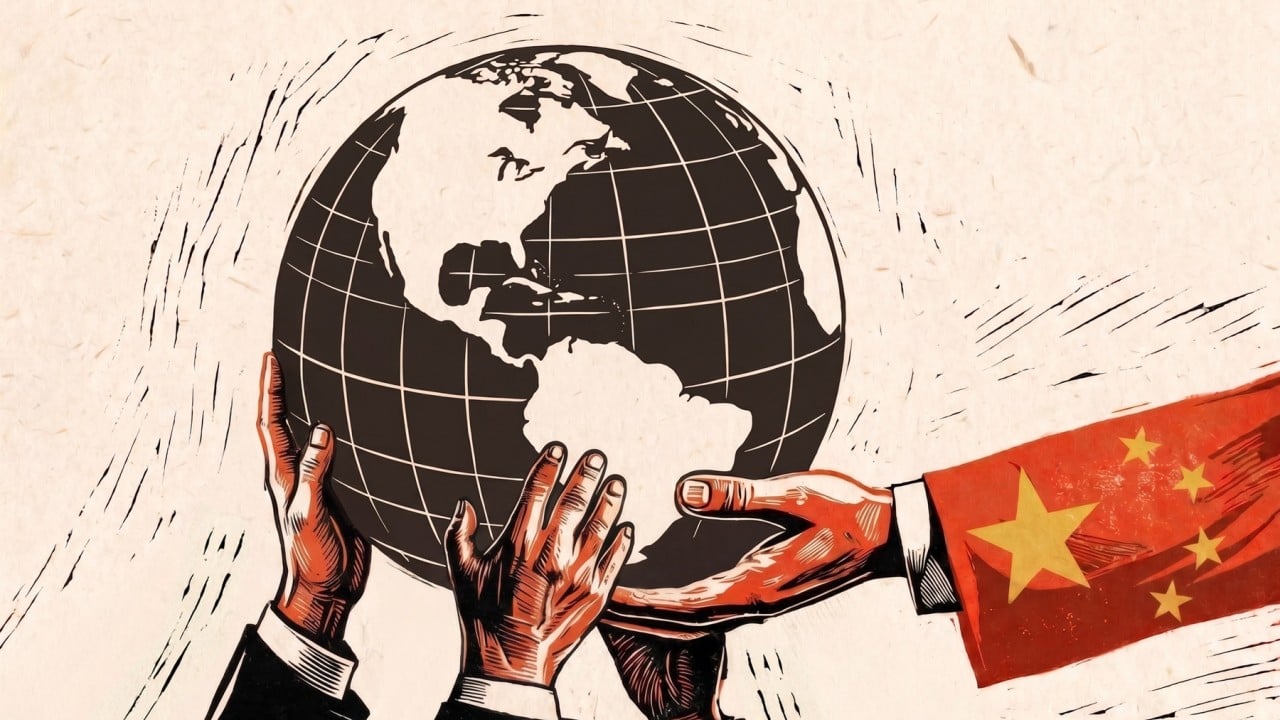
As China has emerged as a prominent competitor to the United States in various domains, a recurring question arises: has it achieved superpower status? However, this question may require reevaluation in light of a modern definition of power. China possesses characteristics typically associated with great powers, such as a large population, extensive territory, a significant economy, advanced technologies, and expanding military capabilities.
Yet, Beijing prefers to characterize China as a "major country" rather than a "great power" or "superpower". This approach reflects a distinct understanding of power's purpose and responsibility in the 21st century.
The notion of a "superpower" originated during World War II. In his 1944 book, The Super-Powers, American political scientist William T.R. Fox identified these states as possessing exceptional military and geopolitical capabilities that enabled them to significantly shape the post-war order. These powers were characterized by their ability to deploy and sustain armed forces across major theaters of war, supported by overseas bases and extensive geopolitical influence.
The implication was that such powers would bear a heavier responsibility for maintaining peace. This concept remains pertinent, as military power, strategic reach, and the capacity to deter or defeat adversaries continue to influence global politics. However, these factors no longer encompass the entirety of national power. Over the past eight decades, economic interdependence, global supply chains, technology, finance, and industrial capacity have gained prominence as instruments of geopolitical influence.
Power can also stem from a country's ability to produce essential goods, control strategically vital technologies, withstand economic pressures, or impose costs on adversaries by disrupting commercial networks. This is evident in the current US-China trade and technology dispute. While the two nations have engaged in tariffs, they have also responded with measures impacting critical minerals and other areas of substantial leverage.
The subsequent negotiations underscore the extent of economic interdependence between the world's two largest economies, indicating that treating each other solely as adversaries could incur significant costs for both.
The economic and technological ascendancy of China has granted Beijing considerable capacity to influence international affairs. However, the pressing question is how China chooses to conceptualize and utilize this capacity. The distinction between a "superpower" and a "responsible major country" highlights a broader transformation in international politics.
While the ability to project military force remains crucial to power, it is no longer the sole determinant. Industrial resilience, technological proficiency, economic relationships, control of critical supply chains, and the provision of international public goods can also shape a state's options. The challenge for China is not whether it can meet an outdated definition of a superpower, but whether it can embody the attributes and responsibilities of a "responsible major country."
Written by urgent.news from South China Morning Post's reporting — not their text. Machine-written — may contain errors; check the original before relying on it.