European shares log weekly gains as oil prices ease, Mideast tensions linger
The pan-European Stoxx 600 closes 0.4% higher on Friday, adding to the week’s 0.5% advance
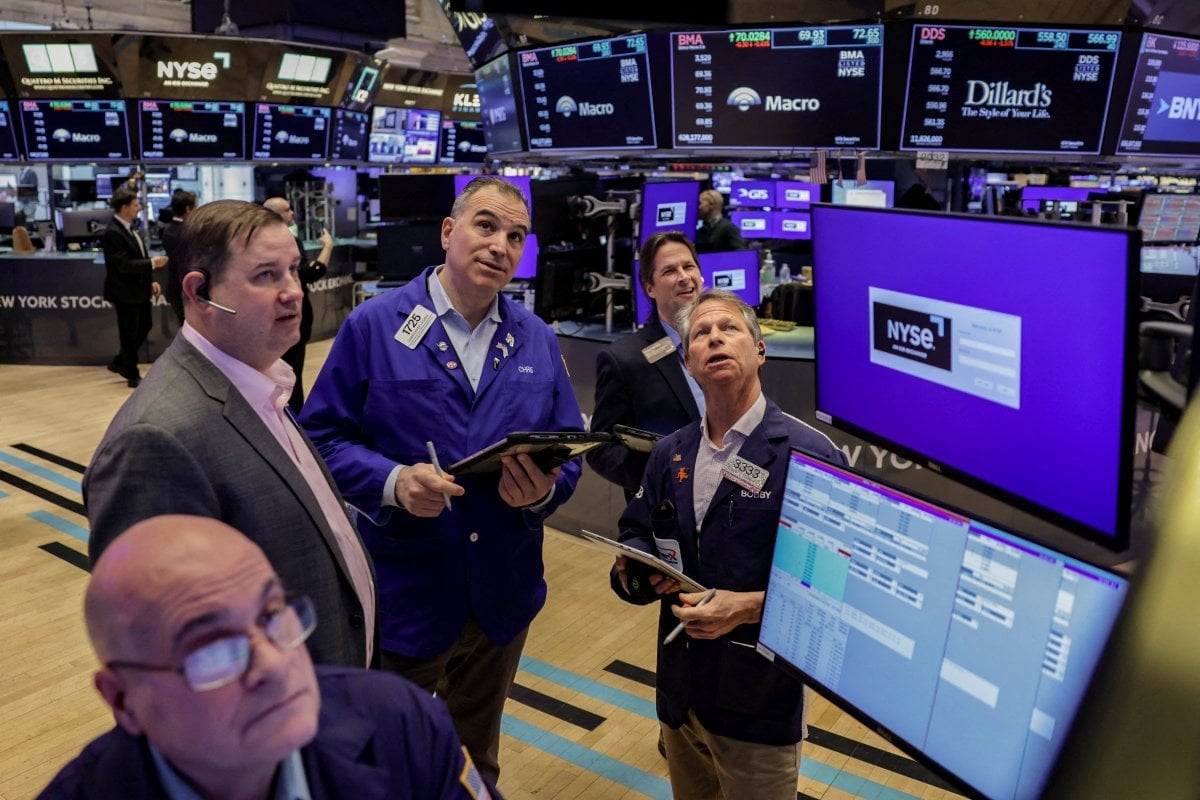
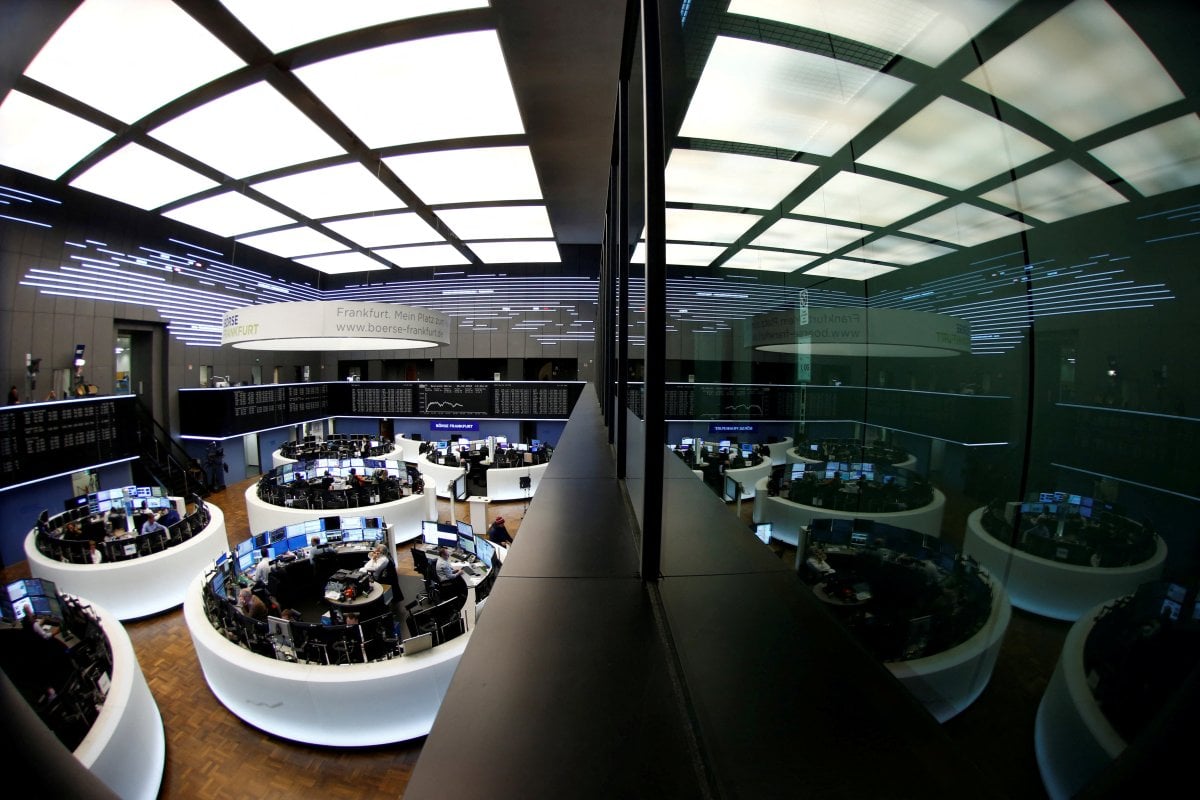
European equities ended the week on a positive note, reversing a three-week decline, as oil prices declined and tensions in the Middle East remained a concern. The Stoxx 600 index for Europe rose 0.4% on Friday, contributing to a 0.5% gain for the week. This marked the index's largest weekly increase since early August. Prior to that, the index had slipped by around 3% over the previous three weeks.
Oil prices continued their downward trend on Friday, driven by hopes of a ceasefire in the region and the ongoing attacks by Houthi rebels in Saudi Arabia. Negotiators were discussing a gradual resolution to the conflict, including the reopening of the Strait of Hormuz by Iran and the lifting of economic sanctions on Iran by the United States, according to sources familiar with the talks.
While the potential end to the Middle East crisis offered some relief, analysts cautioned that the situation remained uncertain, as similar scenarios have arisen before. Daniela Hathorn, a senior market analyst at Capital.com, noted that investors must remain cautious, as history has shown that such outcomes are not guaranteed.
Energy stocks experienced a decline of 1.3%, making them the most significant losers among sectors. However, airline companies, which are sensitive to oil prices, saw gains of over 2%, with Ryanair and Lufthansa leading the charge. The travel and leisure sector also performed well, with an 0.8% increase. Among the top gainers, heavyweight banks led the charge with a 1.3% rise, followed by financial services with a 1.1% increase.
UBS, a major banking company, experienced a notable 3.5% gain. A report from Semafor suggested that the bank was considering exiting Switzerland.
Euro zone government bond yields continued their upward trajectory, with the seventh consecutive weekly rise. This trend was fueled by oil prices remaining close to $100 per barrel and increasingly stern remarks from central banks, which raised expectations for further rate hikes. Market movements have increasingly become linked to oil prices, and a drop below $100 a barrel earlier in the week helped propel global equities to higher levels. However, this rally was short-lived on Wednesday.
Paige Henderson, a senior portfolio manager and head of the resilient global equity team at Allspring Global Investments, suggested that as long as there are no unexpected economic or political events, the Stoxx 600 could continue to climb throughout the year-end. Henderson did warn, though, that persistently high oil prices could put pressure on expectations for interest rates, potentially acting as a hindrance to equities.
The European Central Bank (ECB) had increased interest rates earlier in the month. Separately, consumer sentiment in Germany had dropped more sharply than anticipated, as rising energy costs dampened households' outlook on income. This information was gleaned from a survey, which also highlighted the impact of high energy prices on consumer confidence.
In individual stock performance, Finland's Konecranes led the Stoxx 600 index with a remarkable 7.4% gain. The industrial equipment manufacturer announced a buyback program and raised its financial targets. Glencore PLC also saw a 2% increase after UBS upgraded its rating on the miner's stock from "neutral" to "buy".
Written by urgent.news from The Business Times - Companies & Markets's reporting — not their text. Machine-written — may contain errors; check the original before relying on it.