Drill now, drown later
EDITORIAL: UN Secretary-General Antonio Guterres’ accusation that Big Oil has treated the atmosphere as an “open sewer” may be unusually blunt diplomatic language, but the underlying charge is becoming increasingly difficult to dismiss. His comparison is particularly striking at a time when the consequences of global warming are becoming harder to separate from everyday economic life. Yet the…
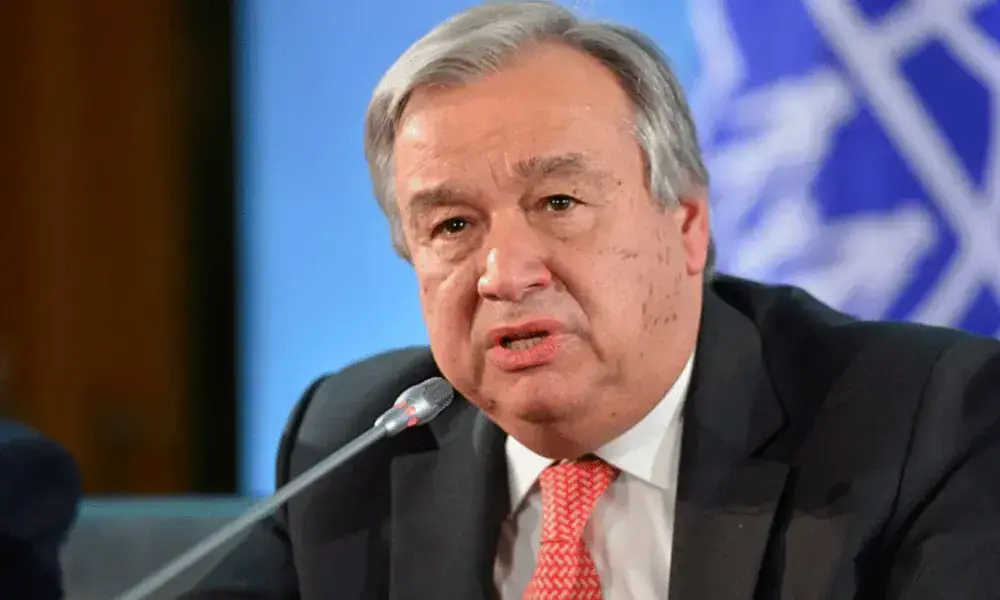
In a world grappling with the consequences of global warming, UN Secretary-General Antonio Guterres has accused major oil companies of treating the atmosphere as an "open sewer." This harsh accusation highlights the growing difficulty in dismissing the link between fossil fuel consumption and climate change. The stark comparison becomes even more relevant considering the escalating impact of global warming on everyday life.
The international campaign to reduce reliance on fossil fuels has, however, been met with a significant challenge, spearheaded by the United States. Under the current administration, "drill, baby, drill" has become a cornerstone of its governance philosophy. This shift in policy has far-reaching implications beyond the US borders.
Washington's decision to withdraw from the Paris Agreement, open up new areas for oil and gas exploration, and prioritize expanded fossil fuel production has undermined progress made by developed nations towards a cleaner energy transition. This reversal is particularly concerning as climate science calls for a swift move away from fossil fuels.
Furthermore, Guterres also sheds light on the stark economic disparity resulting from the climate crisis. While five major Western oil companies have amassed nearly half a trillion dollars in profits since Russia's invasion of Ukraine, only $34 billion has been allocated to help developing countries adapt to a warming planet. This disparity emphasizes the unresolved issue of climate justice.
Countries with limited financial resources to protect themselves from extreme weather events are often those that have contributed the least to the problem. Pakistan, for instance, contributes less than one percent to global greenhouse gas emissions but is highly vulnerable to floods, extreme heat, drought, and other climate-related hazards.
Despite its negligible carbon footprint, Pakistan faces severe consequences due to its position in the climate system. The country's economy remains heavily reliant on fossil fuels, both directly and indirectly, posing challenges for growth and energy security. Developing nations cannot abruptly transition away from conventional energy sources as wealthier economies have spent generations utilizing them for industrialization.
A haphazard transition would impose burdens that Pakistan, already grappling with fiscal and external vulnerabilities, is ill-prepared to handle. This adds complexity to the climate argument but also underscores the urgency of the matter. Pakistan must expedite the adoption of renewable energy, enhance energy efficiency, and minimize unnecessary dependence on imported fuels whenever economically viable.
Meanwhile, developed economies that amassed prosperity during the fossil fuel era bear a greater responsibility to finance adaptation efforts and facilitate a smoother transition for poorer countries without compromising their development prospects. Guterres' call for attention towards both polluters and profits is spot on. The world is already aware of the detrimental effects of continued reliance on fossil fuels.
However, the primary question that remains is whether governments, particularly those in developed nations, possess the political will to change course before adaptation becomes prohibitively expensive. For countries like Pakistan, the "drill, baby, drill" mantra carries a particularly grim implication: while others may drill, the entire world bears the consequences of climate change.
Written by urgent.news from Business Recorder's reporting — not their text. Machine-written — may contain errors; check the original before relying on it.