Don’t export tomorrow’s wheat surplus today
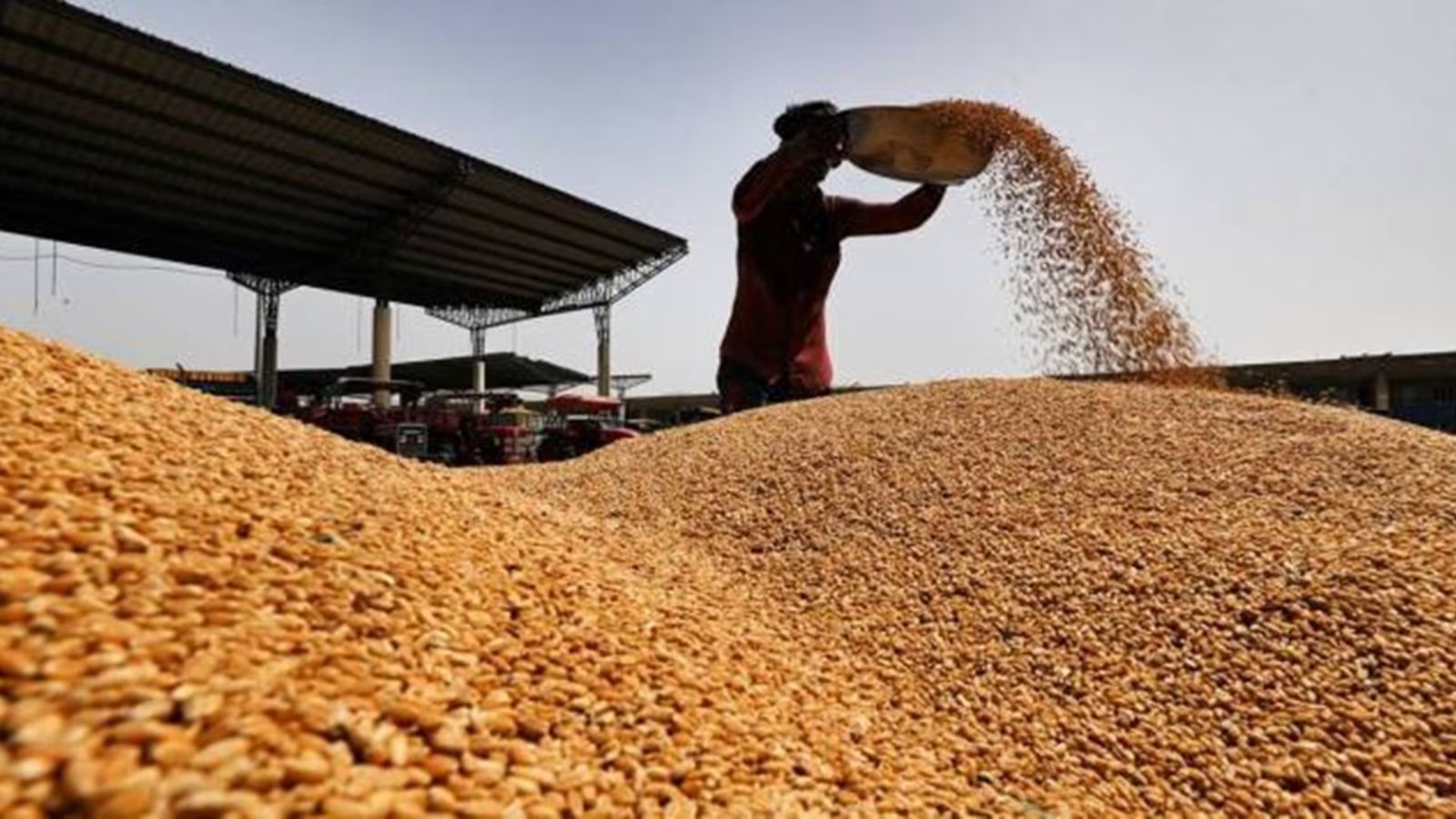
India presently has an abundance of wheat, yet the question lingers: does the nation possess sufficient insight into the crop it will yield six months hence to export without reservations? On August 24, wheat exports transitioned from a "prohibited" status to "free," following authorized permissions of 2.5 MMT each in February and April.
The current inventory appears robust. Officially, production is projected at 120.7 MMT, although trade forecasts lean towards 110 MMT. Procurement reached 35.76 MMT, a figure surpassing the approximately 30 MMT recorded the previous year. Central Pool wheat stocks stood at nearly 48 MMT on September 1, more than double the October 1 buffer norm of 20.5 MMT.
Nonetheless, an abundance of buffer stocks does not translate to an export surplus. The excess stems from a crop that has already been harvested. The crop required to replenish these stocks will be sown over the subsequent two months, and there are grounds for apprehension. The monsoon is approximately 15 percent below average, and the risk is dispersed.
Punjab and Haryana confront substantial rainfall deficits, but their heavily irrigated wheat can rely on groundwater, at the expense of aquifers and state power subsidies. Rajasthan is more vulnerable: rainfall is roughly 25 percent below normal, and reservoir storage is about 31 percent lower. Bihar has experienced around 35 percent less rain, raising concerns over pre-sowing moisture and groundwater recharge.
Madhya Pradesh and Uttar Pradesh are comparatively better positioned for now. The prospect exacerbates the risk. NOAA's September 14 update maintains El Niño's presence through January-March 2027. The International Research Institute for Climate and Society predicts a heightened probability of below-normal rain and above-normal temperatures across sections of India through March.
A warmer winter effectively shortens the season, and March holds significant importance—early temperature spikes during grain filling result in lower yields. This is not an unequivocal prediction of a crop failure. Nevertheless, parts of the wheat belt enter rabi with a diminished water cushion, and the heat risk is indeed present.
Nor can wheat be assessed independently from rice. Rice prices have already surged 7-8 percent compared to last year, and kharif acreage is nearly 17 lakh hectares lower. Rabi and summer rice may mitigate some of this, but weak reservoirs and an unfavorable weather outlook could dampen that. Consequently, India's cereal basket has fewer resources to accommodate a wheat shock than headline stocks suggest.
The impetus to export is palpable. Black Sea wheat arrives in Chittagong for around $380/mt, compared to roughly $330/mt for Indian wheat (based on Rs 27/kg in Madhya Pradesh). Forward markets also indicate higher prices. May 2027 Chicago wheat stands at around $275/mt, and Kansas HRW near $300/mt, both approximately 15 percent above May 2026 levels.
Given ongoing Black Sea disruptions, futures do not signal affordable wheat by the time India's subsequent crop arrives. India has witnessed how swiftly such estimations can alter. In February 2022, Indian wheat production was projected at a record 111.3 MMT. With the Russia-Ukraine conflict disrupting global supplies, India escalated exports, aiming for 10 MMT for 2022-23.
Shortly thereafter, the government announced trade delegations to promote wheat exports. A day later, exports were restricted. On May 19, the production estimate was revised downwards to 106.4 MMT. Sugar provided a recent reminder just last month. On expectations of plentiful availability, the government expanded sugar exports in February.
Production subsequently fell short. By August, policy had shifted from permitting additional exports to permitting duty-free raw sugar imports. Such fluctuations incur an additional cost. Fully opening and subsequently abruptly curtailing exports diminishes India's reliability as a supplier. The solution is not to cease agricultural exports whenever forecasts are uncertain, but to retain room to respond.
India can maintain a calibrated wheat export window and reassess it as information improves. If the crop is exceptional, India can always export more. Wheat shipped today cannot be retrieved if the harvest disappoints. India possesses ample wheat at present. The deficiency lies in sufficient information regarding its forthcoming crop.
This constitutes a reason to preserve optionality, rather than relinquish it. The authors are affiliated with Arcus Policy Research.
Written by urgent.news from The Indian Express's reporting — not their text. Machine-written — may contain errors; check the original before relying on it.