Building resilient padi farming to strengthen Malaysia's food security
STRENGTHENING the nation’s food security involves not only producing more food, but also building a resilient domestic agricultural ecosystem that can sustain farmers and domestic supply over the long term.
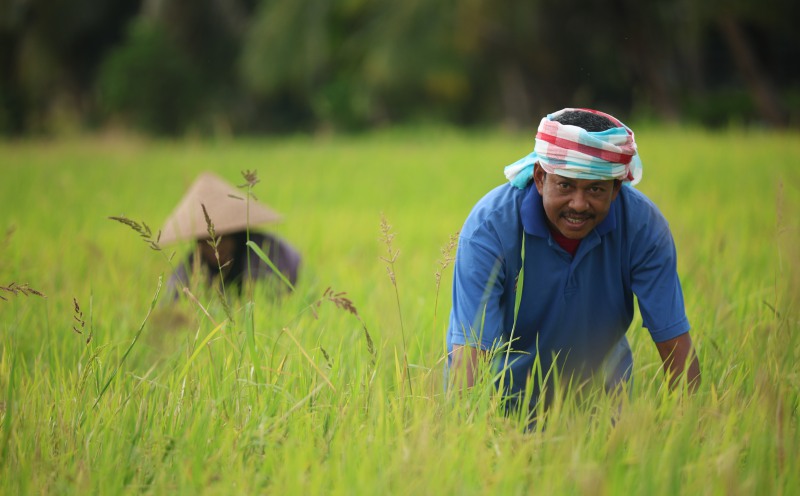
Building a resilient domestic agricultural ecosystem is crucial for strengthening Malaysia's food security, as it entails not only increasing food production but also sustaining farmers and domestic supply over the long term. Nestle Paddy Club (NPC), a partnership involving around 200 farmers, is demonstrating how stronger connections between agriculture and domestic manufacturing can contribute to this effort.
These farmers cultivate over 600 hectares of rice. Since 2012, 100% of the white rice used in Nestle's Cerelac infant cereals, produced in Malaysia, has been sourced domestically, supplying approximately 2,800 tonnes annually.
Juan Aranols, Nestle (Malaysia) Bhd's chief executive officer, emphasized the company's focus on ingredient quality and partnerships with Malaysia's farming communities. The programme supports farmers in improving their farming methods, providing them with agricultural inputs, knowledge, and training during each planting season.
The farmers also receive guidance in managing their crops to ensure the rice produced meets the standards for baby food. This partnership has led to yields above the national average and has encouraged environmentally conscious farming practices among the participating farmers.
After the harvest, the rice produced by NPC farmers is processed locally, including mechanical drying, storage, de-husking, and polishing, with strict quality and food safety testing in place. This direct link between the fields of Kedah and Perlis and the domestically manufactured food product helps build a dependable domestic supply of a key agricultural ingredient.
The programme's regenerative agriculture project, launched in June, focuses on improving soil health, water efficiency, optimizing agricultural inputs, and reducing greenhouse gas emissions from rice cultivation.
Written by urgent.news from New Straits Times's reporting — not their text. Machine-written — may contain errors; check the original before relying on it.