Blood test could gauge if a baby has a dangerous infection in 15 minutes
Feverish babies in hospital are often assumed to have a serious bacterial infection and are treated with antibiotics. But a test that gauges whether the infection is bacterial or viral, which tend to be milder, could prevent unnecessary drug use
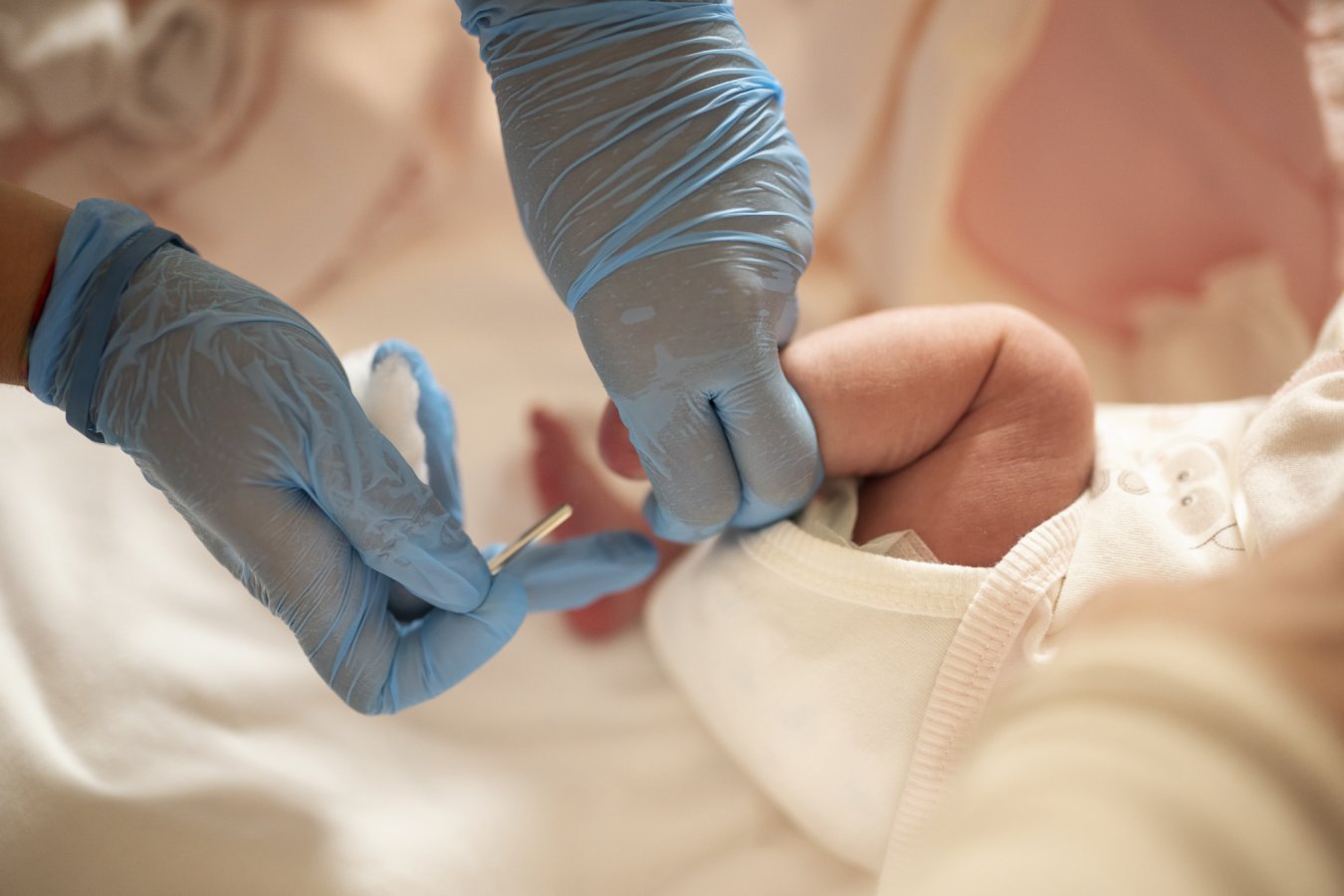
A new blood test can swiftly determine if a feverish infant harbors a bacterial or viral infection, potentially averting the overuse of antibiotics that foster antibiotic resistance. When a baby enters the hospital with a fever, they are presumed high-risk until proven otherwise, according to Tommaso Bellini of the Giannina Gaslini Institute in Genoa, Italy.
Bacterial infections, while fewer in number, are more perilous than common viruses. Current tests for infection type require hours, leading doctors to often prescribe antibiotics against bacteria as a precaution, only about 15% of whom actually have a serious bacterial infection.
Bellini and his team examined 85 infants under 90 days old who presented to emergency rooms with fever. They analyzed blood samples for two proteins: CD64, which increases in response to bacterial infections, and CD169, which spikes in response to viruses. By comparing CD64 and CD169 levels in neutrophils and monocytes, the test accurately identified 15 bacterial infections, 44 viral infections, and 26 cases of no infection. The results were obtained within 15 to 20 minutes in a lab.
This research builds upon years of work to develop a CD64/CD169 test. Fabrice Malergue of Beckman Coulter Life Sciences in France has spent a decade working on it, and his team previously found that CD64 and CD169 levels reliably differentiate between bacterial and viral infections in adults in an emergency room a few years ago.
Since then, other groups have replicated the finding, developed quicker testing methods, and demonstrated the test's efficacy in children. Implementing the test in a hospital setting for babies is a significant advancement, as their immune systems are still developing. Malergue notes that one of his collaborators used the test during a dengue fever outbreak in Martinique, uncovering a life-threatening bacterial infection called leptospirosis in some individuals that would have been missed with conventional testing.
Written by urgent.news from New Scientist's reporting — not their text. Machine-written — may contain errors; check the original before relying on it.


