Blood pressure 180/120 or higher: What it means and when to seek emergency care
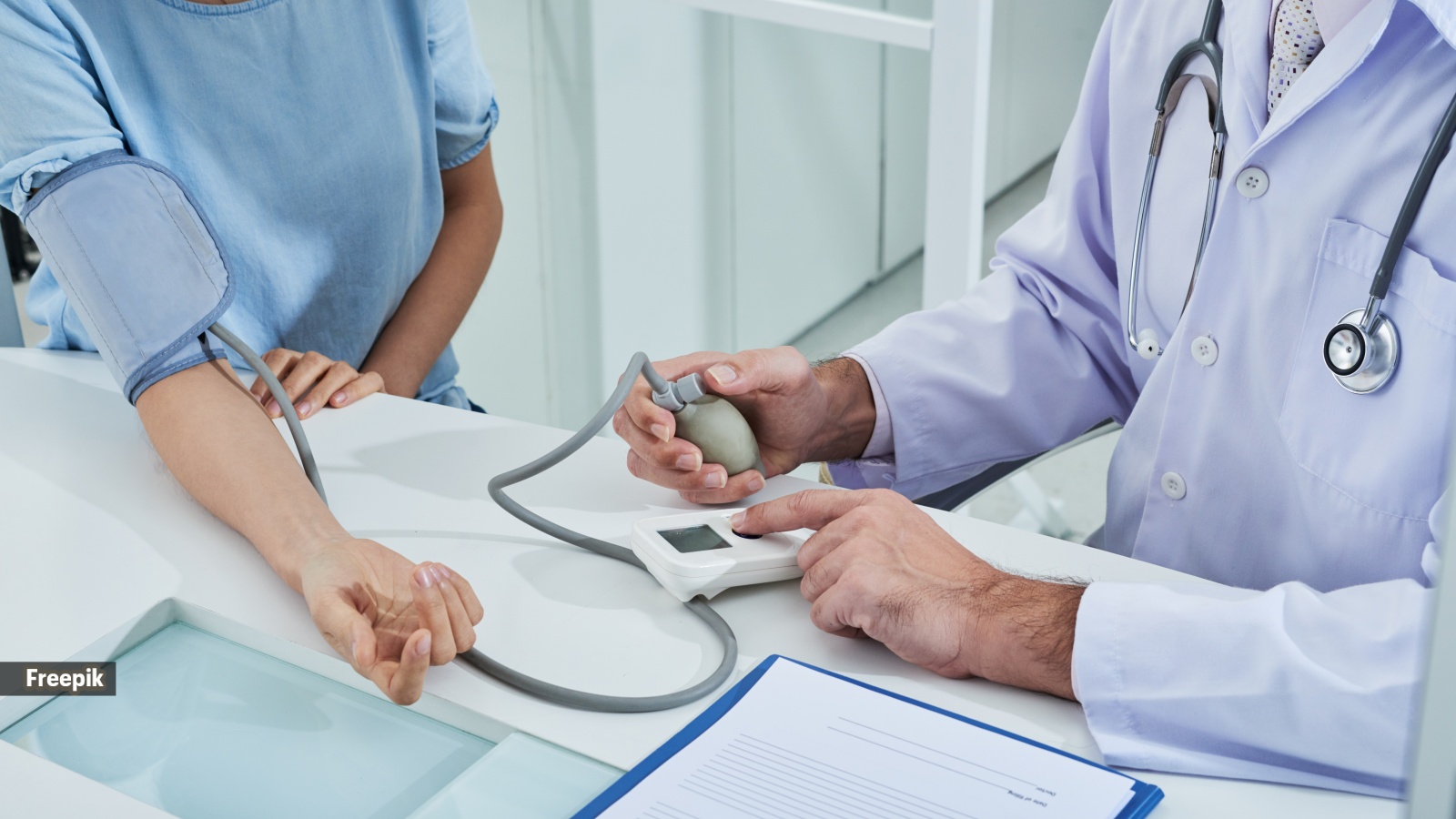
High blood pressure readings of 180/120 mmHg or greater are considered seriously elevated and warrant immediate medical evaluation. While a single high reading may warrant a recheck, persistently elevated blood pressure, especially when coupled with specific symptoms, demands prompt attention.
Dr. Aarti Ullal, a physician and diabetologist at Gleneagles Hospital Parel, explains that if your blood pressure reading reaches 180/120 mmHg or higher, remain calm but do not dismiss it. Allow a few minutes to pass and recheck the measurement. If the elevated pressure remains, seek urgent medical advice.
Certain symptoms accompanying a very high blood pressure reading require emergency care. These include chest pain, severe breathlessness, a severe headache, confusion, sudden weakness or numbness on one side of the body, difficulty speaking, vision changes, or loss of consciousness. Dr. Ullal emphasizes that these symptoms, regardless of prior hypertension diagnosis, necessitate immediate medical attention.
Not all high blood pressure readings indicate an emergency. Temporary spikes in blood pressure can result from stress, pain, physical exertion, caffeine, smoking, or an improperly fitted blood pressure cuff. If you receive a high reading, sit quietly for approximately five minutes before rechecking. Use a validated upper-arm blood pressure monitor and ensure the cuff is of the appropriate size to obtain an accurate measurement.
Repeating high blood pressure readings should not be ignored, even if the initial reading settles after resting. Keeping a record of correctly taken blood pressure readings over time can help identify patterns that your doctor can discuss with you.
Written by urgent.news from The Indian Express's reporting — not their text. Machine-written — may contain errors; check the original before relying on it.
This story
This is one outlet's version. Read the fullest account.