Before you buy baingan, press it: How to spot fresh brinjal at the market
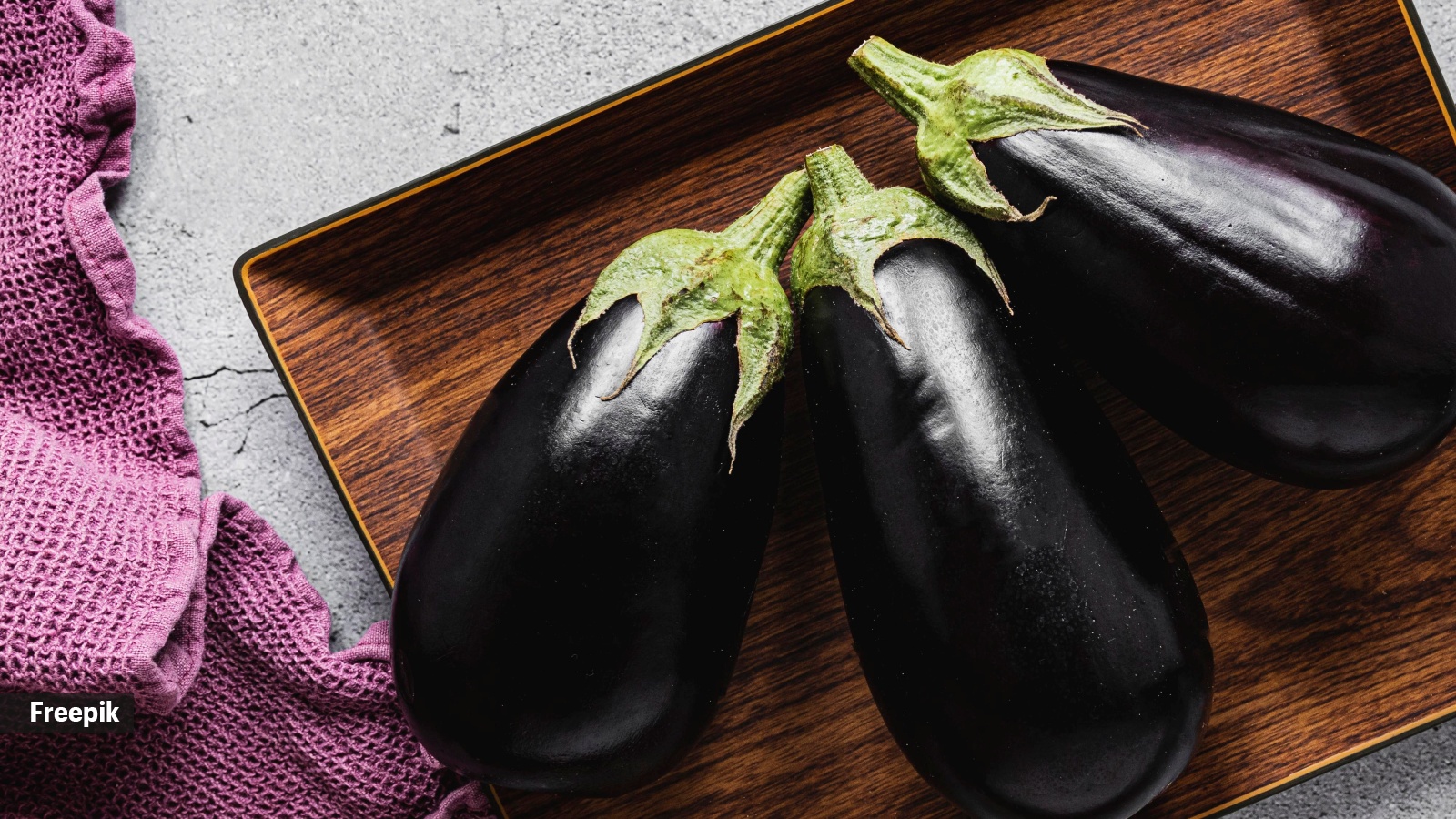
When selecting a fresh baingan (brinjal) at the market, it's crucial to perform a few simple checks. Press the vegetable gently to assess its firmness. A good-quality brinjal should feel firm but not rock hard. If the skin stays indented after gentle pressing, the brinjal is likely overripe or spoiling. Choose a baingan that bounces back to its original shape.
Examine the skin closely. The skin should be smooth, shiny, and brightly colored, matching the variety's typical hue—purple, green, white, or striped. Avoid brinjals with cuts, bruises, cracks, holes, or discolored patches. Pay attention to the stem as well. It should be bright green, firm, and healthy-looking. If the stem appears brown, shriveled, or dry, the brinjal may have been harvested too early.
While size doesn't always matter, smaller to medium-sized brinjals often contain fewer seeds and softer flesh than very large ones. Larger brinjals are more likely to be overripe and may have a bitter taste due to their seeds and spongy flesh. Avoid brinjals with wrinkles, brown spots, or dull skin, as these indicate moisture loss and aging. Minor blemishes don't necessarily mean the vegetable is unsafe but may affect texture and flavor.
Discard brinjals showing signs of spoilage, such as soft or mushy areas, deep cuts, cracks, mold growth, insect holes, leaking fluid, or a foul smell. Additionally, avoid those with an excessively wrinkled skin, severe discoloration, black patches, or a completely dry stem, as these suggest the vegetable is old and no longer fresh.
Written by urgent.news from The Indian Express's reporting — not their text. Machine-written — may contain errors; check the original before relying on it.