Apple owes Taction $5.7B after losing haptic feedback IP trial
An intellectual property lawsuit over the Apple Watch's Taptic Engine has resulted in a loss for Apple, as a jury ruled that it owes Taction more than $5.7 billion for infringing patents. Apple's Taptic Engine - Image Credit: Apple Apple and many other device manufacturers rely on haptic feedback to alert users that they have pressed a button successfully, as well as for alerts and message…
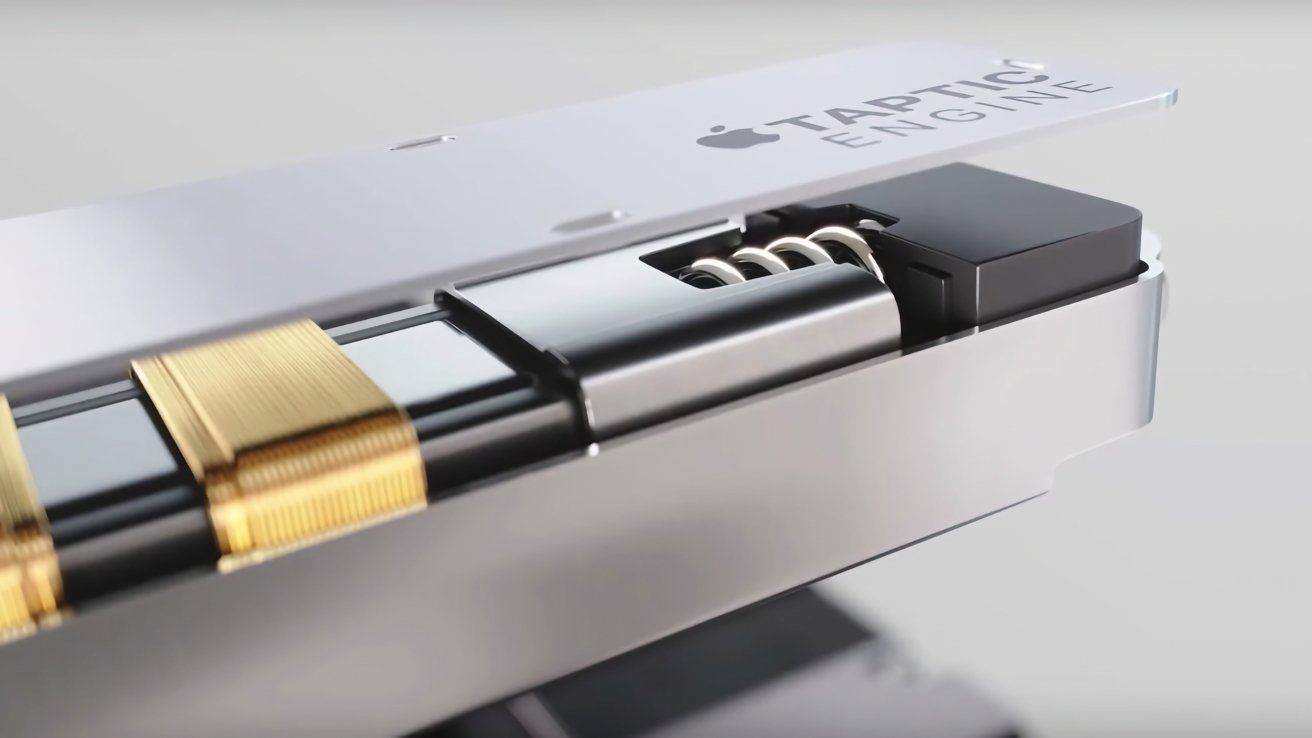
A US jury has decided that technology giant Apple owes haptic technology patent holder Taction more than $5.7 billion. The verdict, the largest of its kind, was handed down on Friday. The jury found that Apple's Taptic Engine, which generates the tapping vibrations in iPhones and Apple Watches, infringes upon two patents owned by Taction.
Despite the ruling, Apple maintains that its Taptic Engine is fundamentally different from Taction's technology. During the trial, Taction's own testing of Apple's products confirmed this difference. Apple stated that it does not employ Taction's technology and will appeal the verdict. A statement from Apple reads: "We’re happy the jury found for Taction and vindicated its patent rights."
Taction, a San Diego-based company, has been using its technology in headphones and gaming headsets since filing the lawsuit in 2021. The US Court of Appeals for the Federal Circuit had revived the case last year following a previous ruling by a San Diego federal judge in 2023. That judge had determined that Apple did not infringe upon the patents in question.
Written by urgent.news from Investing.com's reporting — not their text. Machine-written — may contain errors; check the original before relying on it.