2027: From failed promises to fresh campaign pledges
As the 2027 election nears, Nigerian politicians are making fresh pledges, continuing a cycle of failed campaign promises seen under past leaders like Buha Read More: https://punchng.com/2027-from-failed-promises-to-fresh-campaign-pledges/

Every election season brings a predictable routine in Nigeria. Politicians present platforms, display party banners, unveil agendas, and pledge solutions to citizens' concerns. They vow to bring electricity to communities living in darkness, create jobs for unemployed graduates, ensure security, construct roads in remote areas, make food affordable, improve hospitals, and bestow prosperity upon a nation that has been repeatedly assured of brighter days.
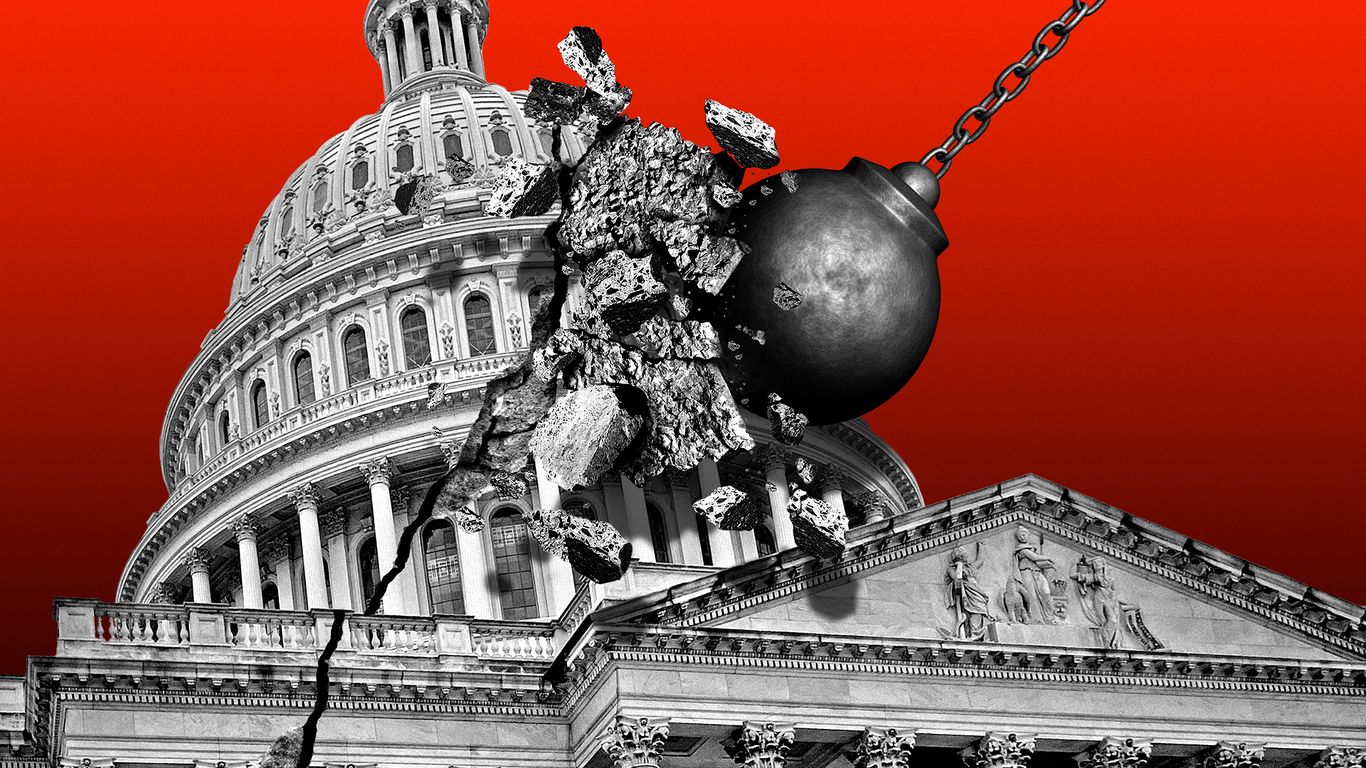
Once the election concludes, campaign billboards vanish, rallies cease, and the victorious politicians assume office, leaving their campaign promises often unattended. As the 2027 election draws near, politicians have once again started promising various things. During a town hall meeting in Kaduna, Peter Obi, the presidential candidate of the Nigeria Democratic Congress, expressed concern during the meeting, stating, “People go around and campaign, promise all sorts of things, write rosy manifestos, promise everything, and when they go in, they start giving excuses.”
This highlights a fundamental question about Nigeria’s democracy: why do politicians consistently make promises that past governments have failed to deliver, and why has the country faced difficulties in establishing a system to hold elected officials accountable for their campaign commitments? The issue extends beyond a single politician breaking one promise; it revolves around the relationship between politicians and citizens, the reliability of elections, the quality of political discourse, and the significance of the mandate voters grant their leaders.
Not all promises are lies The failure to fulfill a campaign promise does not automatically imply that a politician intentionally lied. A promise can be partially fulfilled, delayed, abandoned, impeded by implementation challenges, or rendered difficult by circumstances beyond the government's control. This distinction is crucial because campaign promises can only be evaluated when they are sufficiently precise.
For example, "we will make Nigeria great" is challenging to quantify, while "we will create one million jobs in the digital economy" is measurable. "Electricity will improve" is ambiguous, whereas a commitment to nearly doubling power generation or setting a specific generation target can be assessed against actual output. This is why promise-tracking organizations increasingly require identifiable and verifiable commitments.
According to Pledge Tracker, a platform that monitors governor commitments and political promises across Nigerian states, a promise must be specific, traceable to a public document, speech, or verified campaign communication, and assessable against evidence. This distinction forms the basis for examining Nigeria's political promises.
Written by urgent.news from Punch Nigeria's reporting — not their text. Machine-written — may contain errors; check the original before relying on it.