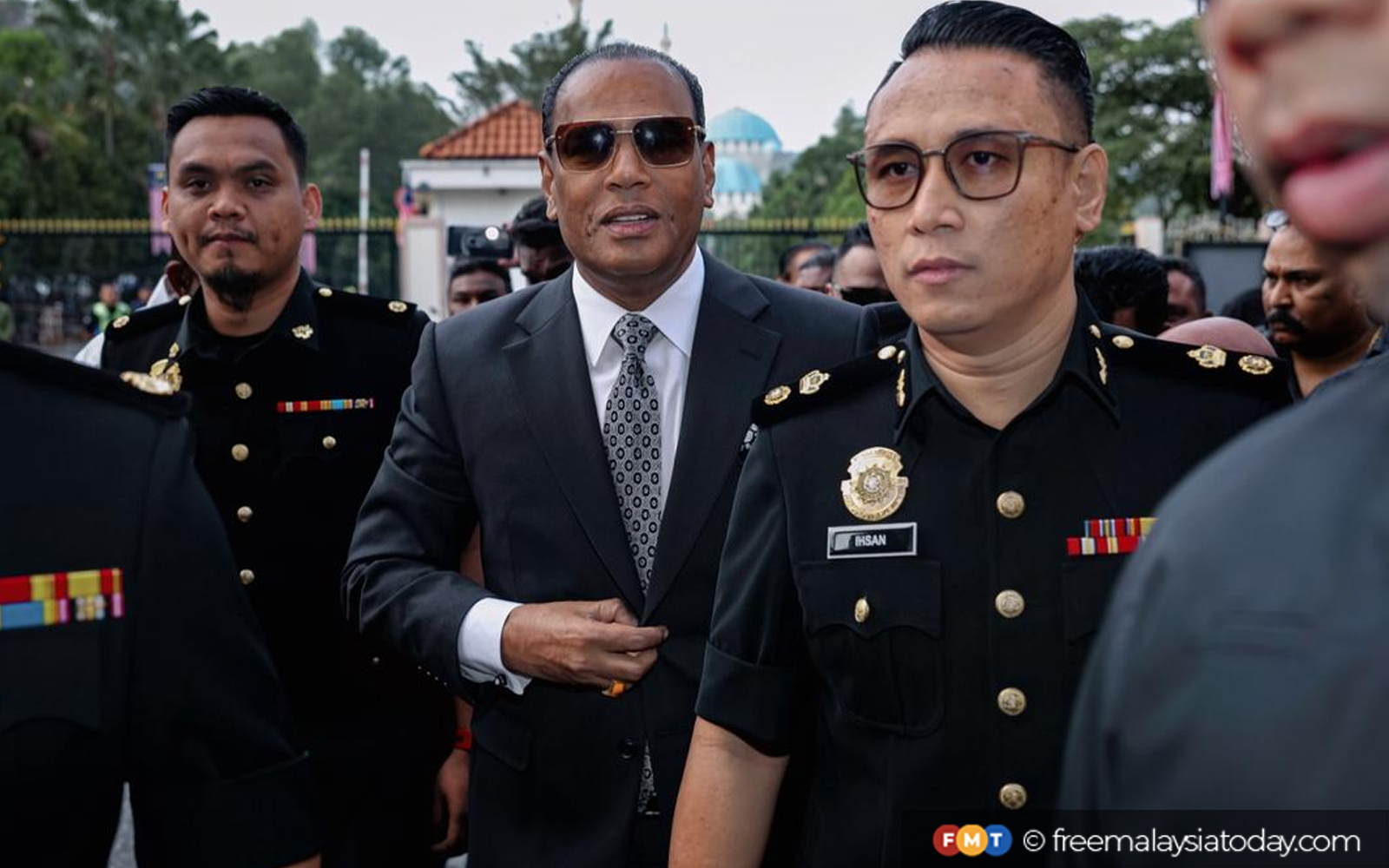
Watch: U.S.-Iran peace deal signed: does Iran come out on top? | Above the Fold | 18.06.2026
A new U.S.-Iran peace deal, a politically significant Governor’s address in Tamil Nadu, and a courtroom battle over West Bengal’s Opposition leadership — here are the stories shaping the day.
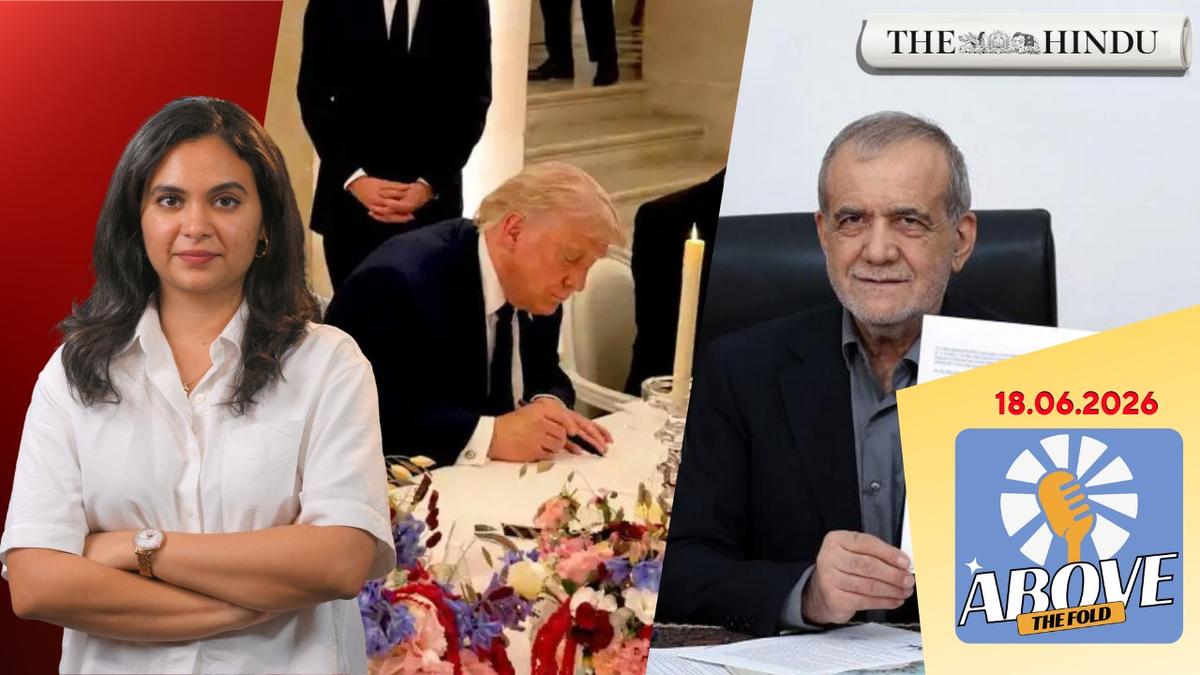
Dr Anwar Gargash, the UAE's Diplomatic Adviser to the President, has emphasized that any resolution to the Iran war should aim for lasting peace rather than a temporary ceasefire. Speaking in an interview, Gargash called for substantive talks involving Iran, its Gulf neighbours, and the United States. He believes that merely patching up the situation is not sufficient; lasting peace is essential and should take a permanent form.
To achieve this, discussions must occur at multiple levels, including the American-Iranian level, as well as between Tehran and the Gulf countries. Gargash highlighted that the UAE is committed to deterrence and dialogue with Iran as it continues to develop. He stressed that the American-Iranian level is one important aspect, but discussions at the Gulf or individual Gulf countries with Iran are equally crucial.
Gargash believes that these negotiations should go beyond immediate transactional issues and focus on building confidence and non-belligerence. The aim should be to determine how these countries can create a more permanent solution out of the current difficult situation. The UAE opposed the war from the outset due to its previous experience with regional conflicts, which it found to be prolonged and difficult to contain.
Gargash stated that Iran's attacks on UAE and other Gulf countries were premeditated, and trust may take decades to rebuild. The UAE expected an attack but not to the extent that occurred. Gargash emphasized that Iran's broad and persistent attacks on the UAE and other Gulf countries resulted in 3,300 missiles and drones, with 95% aimed at civilian infrastructure.
He characterized the conflict as two separate wars: an American-Israeli war against Iran and a war of Iran against the Gulf countries. Gargash emphasized that the UAE's ability to defend itself is a prerequisite for diplomacy. He stated that while deterrence is important, it is not a goal in itself but an essential element leading to greater opportunities for diplomacy.
Gargash acknowledged that the conflict has damaged trust between Iran and its Gulf neighbours, but he drew a distinction between restoring diplomatic relations and rebuilding trust, which may take years.
Written by urgent.news from Gulf News's reporting — not their text. Machine-written — may contain errors; check the original before relying on it.
This story
This is one outlet's version. Read the fullest account.