Trump’s voter verification system returns: What changed after Supreme Court ruling
The US Supreme Court has allowed the Trump administration to resume using an expanded federal database to check voter citizenship status, while critics warn that inaccurate records could wrongly affect eligible voters ahead of November’s midterm elections.
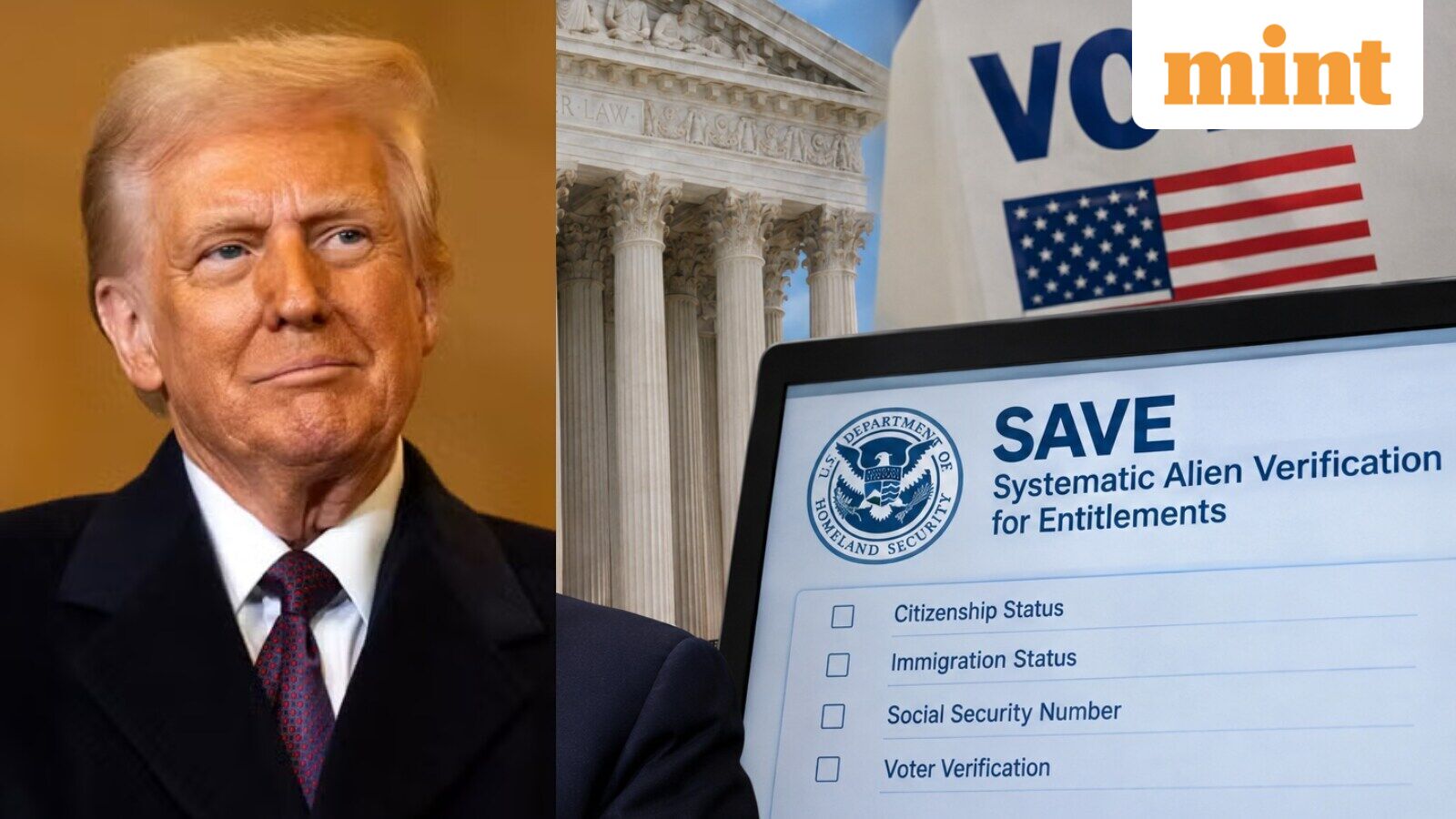
The US Supreme Court on Friday approved the Trump administration's resumption of an enhanced federal database to assist states in verifying the citizenship of registered voters, overturning a lower court injunction. The justices granted the Justice Department's request for a stay of the ruling by a federal judge in Washington, D.C., allowing the administration to continue using the modified Systematic Alien Verification for Entitlements (SAVE) program while the legal dispute proceeds.
The database, traditionally used for verifying immigration and citizenship for benefits, was expanded by the administration in 2025 to enable state and local authorities to conduct bulk searches and employ Social Security numbers and other data from the Social Security Administration. Under the revised system, election officials can submit voter information to SAVE; if the database cannot confirm a person's citizenship, officials can request additional proof.
The administration contends the system aims to identify noncitizens registered to vote. The Supreme Court's majority held that plaintiffs' legal claims were unlikely to succeed, as federal law authorizes the Department of Homeland Security to request and receive citizenship and immigration status information from other agencies, including the Social Security Administration.
The case also raised concerns about the accuracy of federal data and potential incorrect flags of eligible voters. Voting rights and privacy groups, such as the League of Women Voters and the Electronic Privacy Information Center, challenged the SAVE changes, arguing they could rely on outdated information and affect naturalized U.S. citizens with unupdated records.
Justice Ketanji Brown Jackson, joined by Justices Sonia Sotomayor and Elena Kagan, dissented, expressing concern about the potential harm to lawful voters and noting evidence that some naturalized citizens might be required to provide additional proof due to inaccurate federal records. A federal district judge had previously ruled the modified SAVE program violated federal law and vacated the changes, but the US Court of Appeals for the District of Columbia Circuit declined to stay that ruling.
The Supreme Court's emergency relief order does not fully resolve the legal dispute; it only stays the lower court's June order pending further appeal and potential further review. The ruling comes a week before the 3 November midterm elections, when control of Congress is contested.
Written by urgent.news from Live Mint's reporting — not their text. Machine-written — may contain errors; check the original before relying on it.