‘Tiada kerja berkualiti, tiada insentif’, kerajaan digesa rangsang gaji
Pakar ekonomi Ahmed Razman Abdul Latiff cadang pelepasan cukai dan geran syarikat swasta diikat dengan prestasi gaji serta produktiviti.
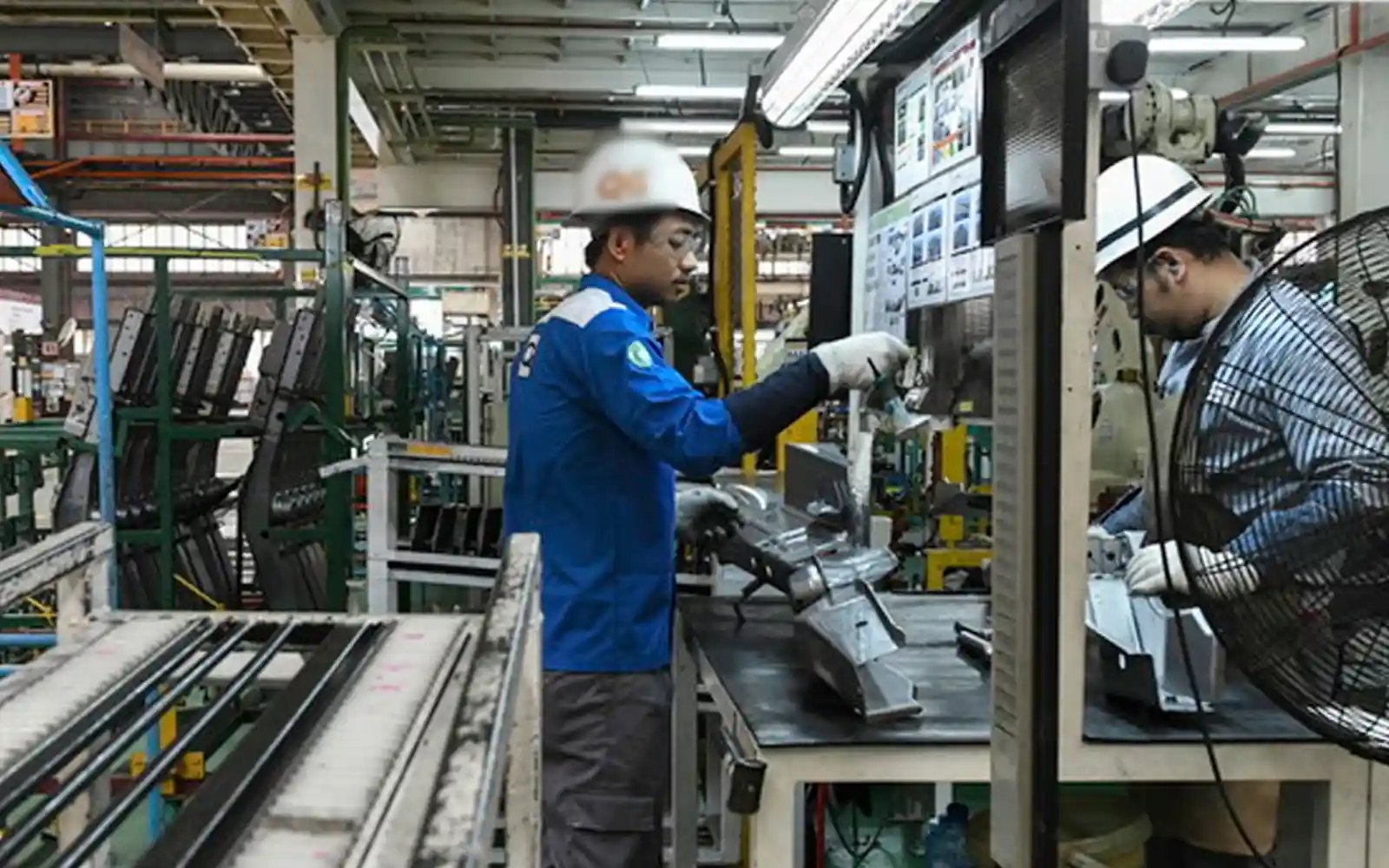
According to the Department of Statistics, two out of every three workers in Malaysia work in either semi-skilled or unskilled jobs, with median wages of RM2,223 and RM1,758 respectively. The government has been encouraged to offer incentives to private companies, linking them to performance in terms of wages, productivity, and job quality.
Economists suggest that if targets are not met, partial incentives should be reduced or withdrawn. "No quality jobs, no full incentives" is the principle, according to Putra Business School economist Ahmed Razman Abdul Latiff. He proposes that incentives for investment should shift from focusing solely on foreign direct investment (FDI) to measuring criteria like wages and productivity.
Razman points out that Malaysia's economic growth structure has not fully translated into wage increases due to the country's heavy reliance on low-wage labor-intensive activities. Despite the median wage of formal sector workers reaching RM3,027 per month in March 2026, most of the workforce still consists of semi-skilled and unskilled workers.
Former Klang MP Charles Santiago has called for the 2027 budget to address low wages and the fact that people haven't fully benefited from economic growth. He refers to Department of Statistics data showing that two out of every three payrolls in Malaysia work in semi-skilled or unskilled jobs, with median incomes of RM2,223 and RM1,758 respectively.
Santiago notes that GDP growth, national income, and foreign direct investment (FDI) alone may not bring prosperity to the people if wage growth does not keep up with the rising cost of living. Bank Muamalat Chief Economist Mohd Afzanizam Abdul Rashid agrees that there is a gap between overall economic performance and people's daily lives.
While Malaysia's macroeconomic fundamentals are solid, the challenge at the microeconomic level includes ensuring that growth benefits translate into higher wages and reduced living costs. "In the short term, measures like a minimum wage, cash assistance through Cash Donation Assistance (STR) and Basic Assistance Donation (SARA), and subsidies can help minimize household burdens," he says.
However, he believes that the real solution requires long-term structural reforms covering sectors like education, healthcare, infrastructure, and security. Afzanizam suggests that the current pension system, which relies on basic wages, annual increases, allowances, and bonuses, is too rigid because corporate profits are not directly channeled to workers.
He proposes that employers consider alternative benefit models like those implemented by global conglomerates, such as employee equity ownership, profit-sharing, and performance-based payouts.
Written by urgent.news from Free Malaysia Today's reporting — not their text. Machine-written — may contain errors; check the original before relying on it.
This story
This is one outlet's version. Read the fullest account.
- ‘Tiada kerja berkualiti, tiada insentif’, kerajaan digesa rangsang gaji freemalaysiatoday.com