‘Tiada kerja berkualiti, tiada insentif’, kerajaan digesa rangsang gaji
Pakar ekonomi Ahmed Razman Abdul Latiff cadang pelepasan cukai dan geran syarikat swasta diikat dengan prestasi gaji serta produktiviti.
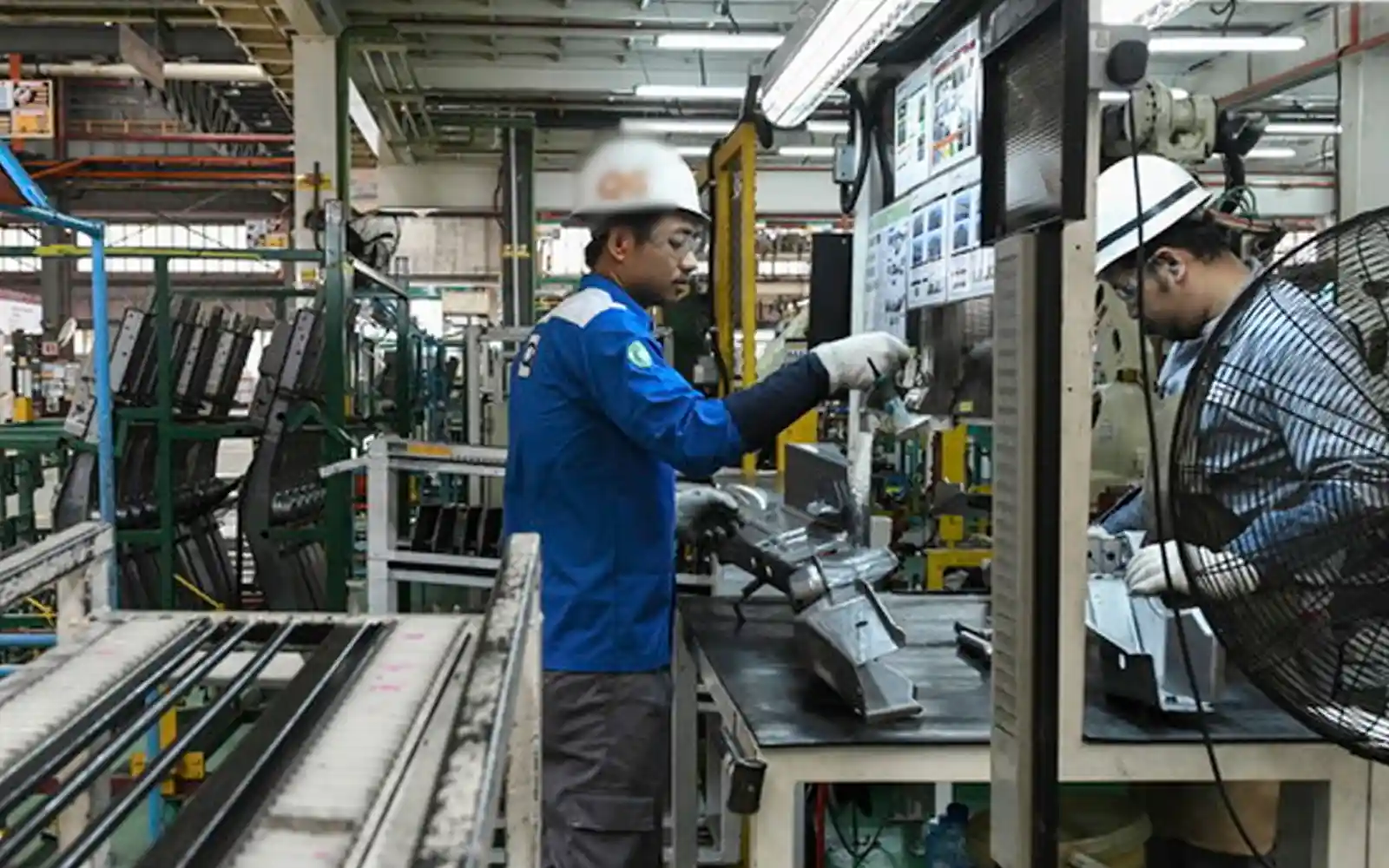
Jabatan Perangkaan Malaysia data shows that two out of three wage earners in the country work in low-skilled or semi-skilled jobs, with median wages of RM2,223 and RM1,758 respectively (Picture: Bernama). Private sector companies may be incentivized based on salary performance, productivity, and job quality, according to Putra Business School economist Ahmed Razman Abdul Latiff.
For full incentives to be given, targets such as median wage, employee training, and the use of local vendors must be met. If targets are not met, a portion of the incentive should be reduced or withdrawn. Investment incentives should shift from merely measuring foreign direct investment (FDI) value to metrics such as wages and productivity.
The country's economic growth structure has not yet translated into higher wages as Malaysia remains heavily dependent on labor-intensive activities. While formal sector median wages reached RM3,027 per month in February 2026, most workforce still comprises semi-skilled and low-skilled jobs. Former Klang MP Charles Santiago noted that 2027 budget should address low wages and the fact that the people have not fully enjoyed the benefits of economic growth.
He referred to data from the Perangkaan Department showing two out of three wage earners in Malaysia work in semi-skilled or low-skilled jobs, with median wages of RM2,223 and RM1,758. Increasing Gross Domestic Product (GDP) growth, national revenue growth, and foreign direct investment does not necessarily bring prosperity to the people if wage growth fails to keep pace with the cost of living.
Meanwhile, Bank Muamalat Chief Economist Mohd Afzanizam Abdul Rashid agreed that there is a gap between overall economic performance and the reality of people's lives. Even though the macro economy is on solid footing with good fiscal and monetary management, micro-level challenges include ensuring growth benefits translate into higher wages and reducing the cost of living burden.
Short-term measures like minimum wage standards, cash assistance through Rahmah Cash Contributions (STR) and Basic Rahmah Contributions (SARA), and at least some subsidies can minimize people's burdens. However, Afzanizam believes that the real solution requires long-term structural reforms across sectors such as education, health, infrastructure, and security.
He suggested that companies should consider models like the successful global fintech approach, including employee shareholding, profit-sharing, and performance-based payouts.
Written by urgent.news from Free Malaysia Today's reporting — not their text. Machine-written — may contain errors; check the original before relying on it.
Also reported by 1 other outlet
- ‘Tiada kerja berkualiti, tiada insentif’, kerajaan digesa rangsang gaji freemalaysiatoday.com