This MIT spinout designed an artificial reef to save shrinking beaches
Until recently, a beach on a tiny island in the Maldives was eroding away. The usual solution would be to dredge sand to try to replace what was lost—but that works only temporarily, and it harms marine ecosystems. Two years ago, a Marriott resort on the island experimented with something different: using an artificial reef designed by Massachusetts Institute of Technology researchers to repair…
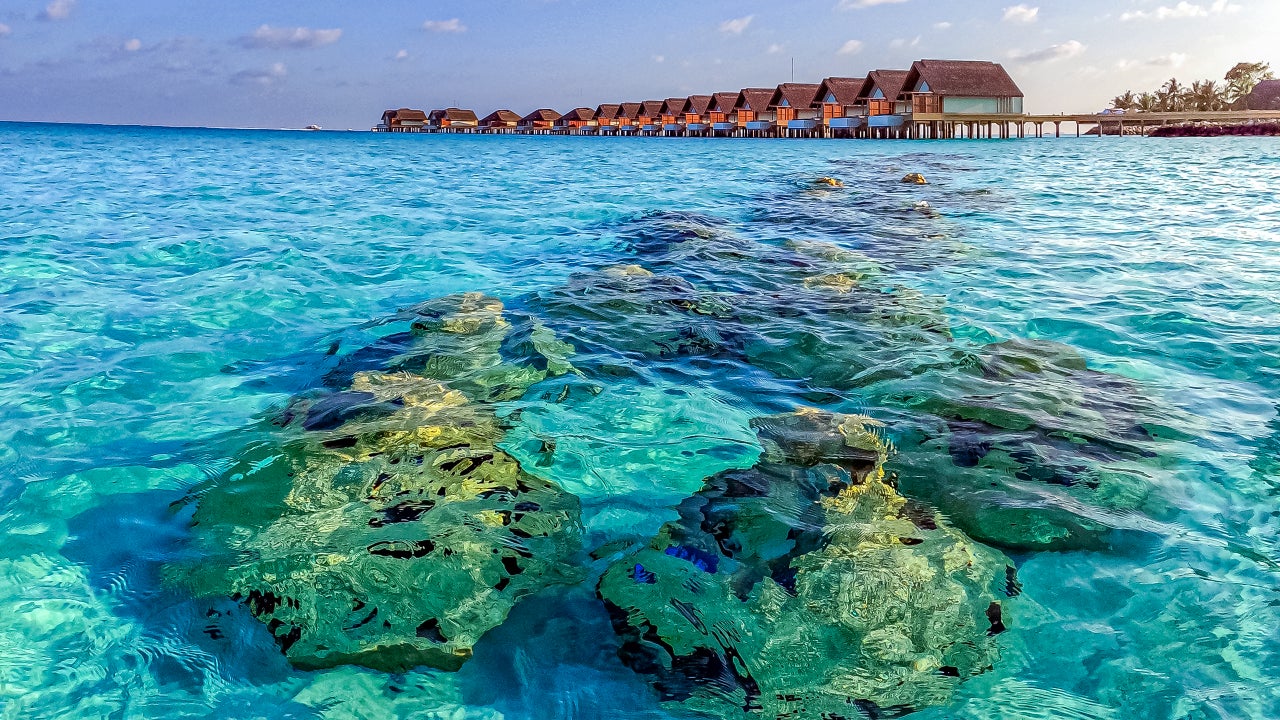
A beach in the Maldives was experiencing significant erosion, and a Marriott resort on the island tried an innovative solution two years ago. Instead of the conventional method of dredging sand, they employed an artificial reef created by researchers from the Massachusetts Institute of Technology. Within just six months, the beach's depth increased by a remarkable 90 feet. Two years later, the same beach had doubled in size.
Coastal Assembly, a startup spun off from this MIT research, has now commercialized the artificial reef technology. They raised $4.4 million in funding this summer and use AI to analyze satellite and ocean current data to determine the most critical areas of erosion. The startup then designs custom concrete blocks that are strategically placed offshore to help sand accumulate naturally through ocean waves.
Skylar Tibbits, a professor at MIT's architecture department and the founder of the Self-Assembly Lab, explains that the startup's AI analyzes ten years of data to predict future erosion hotspots. This information guides where the team should focus their efforts. The company installs marine-grade concrete blocks placed about 150 feet offshore, which dissipate wave energy and redirect sand back to the shrinking beach.
The researchers closely monitor the beach's changes over time, adjusting the blocks if necessary. This adaptive approach is crucial, as Tibbits notes that traditional coastal protection methods like dredging sand can harm marine ecosystems and only provide temporary relief.
Coastal Assembly's technology is unique in that each structure is custom-designed based on factors like bathymetry and wave conditions. The blocks are also unique in shape, mimicking the look of natural reefs. This natural appearance also provides additional benefits, as artificial reefs offer protection during storms.
Coastal Assembly operates as a public benefit corporation, balancing profit with mission-driven work. The startup collaborates with vulnerable communities worldwide, partnering with the United Nations and other organizations to deploy its reefs. It also works with coastal resorts to help protect their private beaches. By shifting the focus from expensive, ineffective seawalls to dynamic, soft solutions, Coastal Assembly aims to promote a more sustainable approach to coastal protection.
Written by urgent.news from Fast Company's reporting — not their text. Machine-written — may contain errors; check the original before relying on it.